M
Love Poems Technology AI-Technology

What Is the Central Idea of Dust of Snow? Complete Guide
What is the central idea of Dust of Snow by Robert Frost - poem analysis.

introduction The central idea of “Dust of Snow” by Robert Frost is that a small, unplanned moment in nature, a crow shaking snow from a hemlock tree onto the poet is enough to lift him out of regret and rescue part of a day he had already written off. In just eight lines, Frost argues … Read more
Who Is the Speaker in The Shed Poem? Easy Answer

Who is the speaker in The Shed poem - easy answer explained

introduction The speaker in “The Shed” is a child, not the poet speaking in their own voice, but a young, first-person persona who stands at the edge of an old, locked shed at the bottom of the garden. Anyone researching who is the speaker in the shed poem will find the same answer across study … Read more

How to Tell Wild Animals Poem: Summary, Meaning & Analysis

How to Tell Wild Animals poem by Carolyn Wells — summary, meaning & analysis.

Introduction “How to Tell Wild Animals” is a humorous poem by the American writer Carolyn Wells that shows readers how to identify six wild creatures through witty, exaggerated hints about what each animal does the moment it notices you. This how to tell wild animals poem turns a mock field guide into comic verse, and … Read more

I Remember I Remember Poem Questions and Answers

I Remember I Remember poem questions and answers - cottage garden with open book

Introduction “I Remember, I Remember” is a nostalgic poem by English poet Thomas Hood about childhood memories, the passage of time, and the sadness of growing older. The speaker remembers his childhood home and the natural beauty surrounding it, but he contrasts those happy memories with the disappointment and weariness of adult life. The poem … Read more

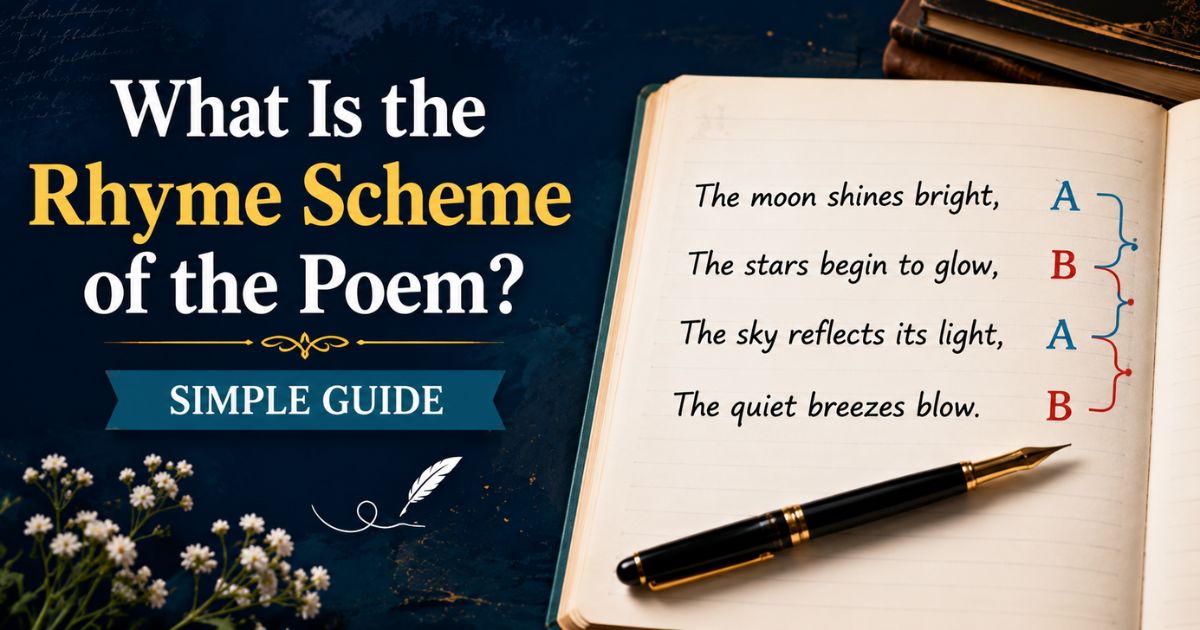
What Is the Rhyme Scheme of the Poem? Simple Guide

What is the rhyme scheme of the poem – ABAB pattern example with notebook and pen.

Introduction The rhyme scheme of a poem is the pattern formed by the rhyming sounds at the ends of its lines. Poets usually represent each different rhyme sound with a letter, such as A, B, C, or D. For example, a poem with an ABAB rhyme scheme has alternating end-rhyme sounds. Understanding what is the … Read more

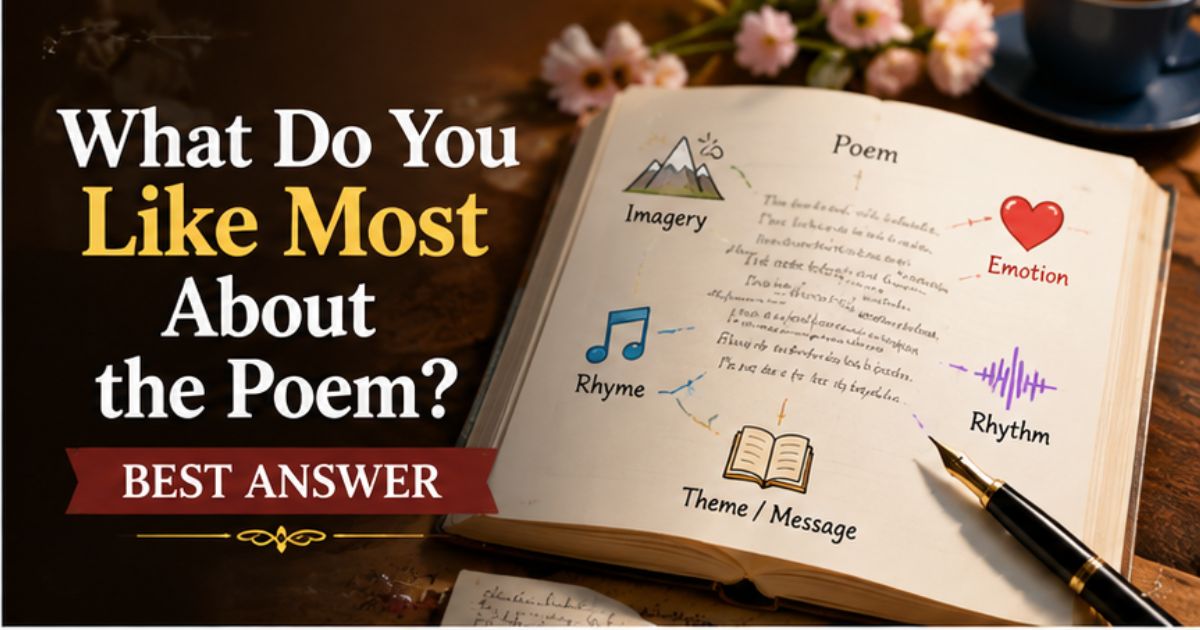
What Do You Like Most About the Poem? Best Answer

What do you like most about the poem – imagery, rhyme, rhythm, emotion, and theme mind map.

Introduction A strong answer to what do you like most about the poem should name one specific feature and explain why it appeals to you. You might like the poem’s imagery, message, emotional effect, rhyme, rhythm, language, or connection to real life. The best answer is not simply “I like the poem because it is … Read more

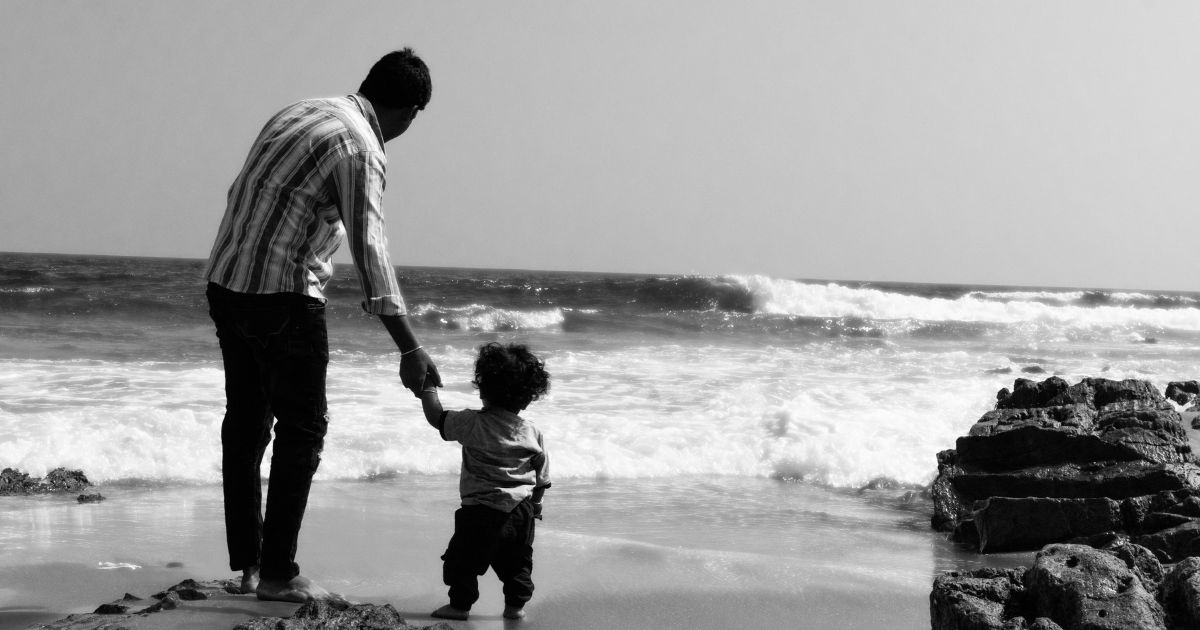
Father’s Helplessness in the Poem “Father to Son”

Father's helplessness in the poem shown through father and toddler walking on beach.

Introduction Elizabeth Jennings’s “Father to Son” is a quiet, aching poem about a relationship that has drifted apart without either person choosing it to. If you’re preparing for your Class 11 English exam and searching for father’s helplessness in the poem, the short answer is this: it is shown through his emotional distance from his … Read more

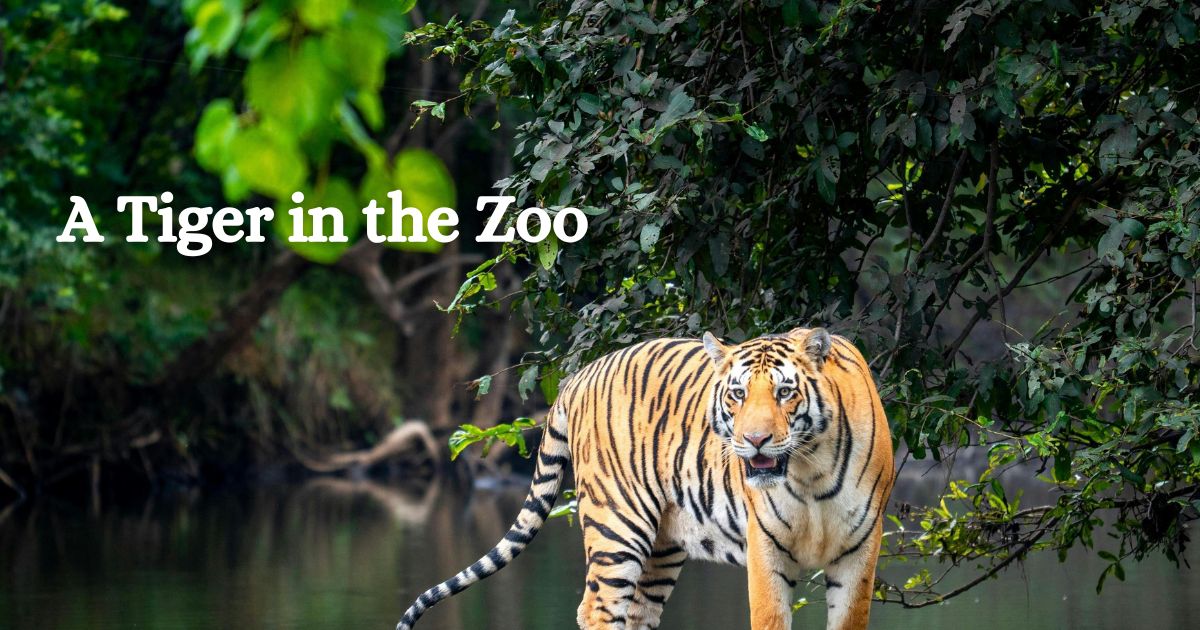
Theme of the Poem A Tiger in the Zoo: Explained

A Tiger in the Zoo poem title image with a Bengal tiger standing near water.

introduction  The theme of “A Tiger in the Zoo” by Leslie Norris is the painful contrast between physical captivity and the tiger’s untouched inner wildness. The poem shows that while a cage can confine a tiger’s body, it cannot erase its natural instincts, dignity, or longing for freedom. Norris develops this theme not just by … Read more

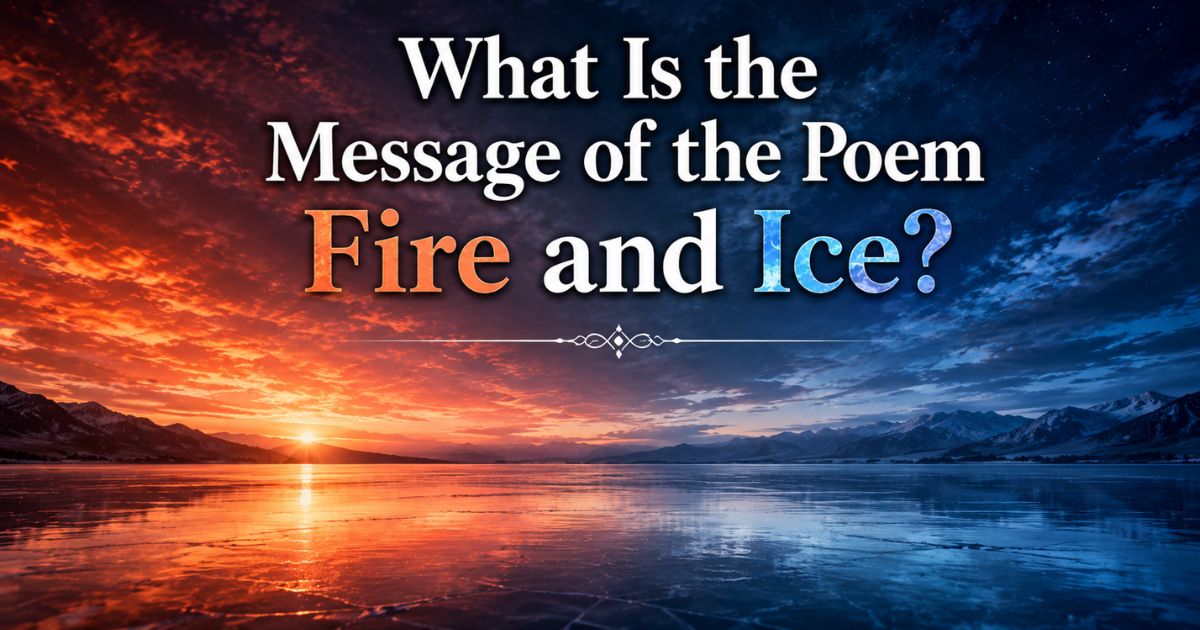
What Is the Message of the Poem Fire and Ice?

Fire and ice sunset over frozen lake illustrating the message of the poem Fire and Ice by Robert Frost.

introduction The message of “Fire and Ice” by Robert Frost is that human emotions, desire and hatred are powerful enough to destroy the world, and both are equally capable of causing that destruction. Frost uses fire to represent burning desire and ice to represent cold hatred, arguing that either extreme, taken far enough, leads to … Read more