M
Love Poems Technology AI-Technology

Theme of Telephone Conversation: Powerful Racism Exposé
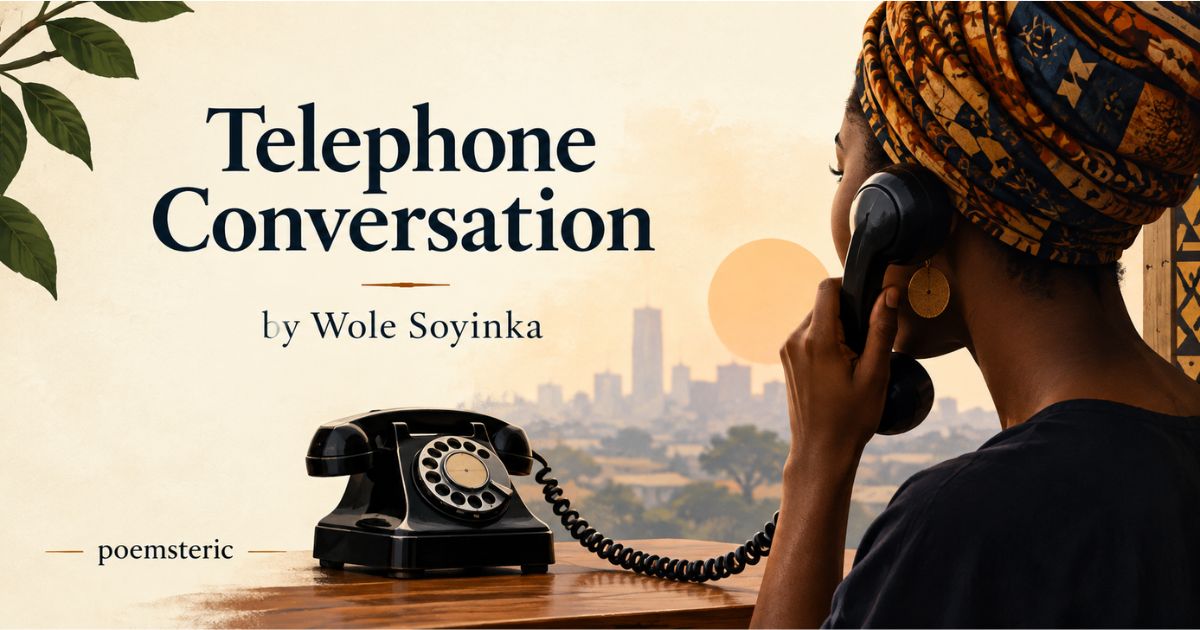
Theme of the poem Telephone Conversation — African man on a vintage phone, Wole Soyinka poem art.

Introduction The central theme of “Telephone Conversation” by Wole Soyinka is racial prejudice and the dehumanizing effect of racism. Through a seemingly ordinary conversation between a Black African man looking for accommodation and a white landlady, Soyinka exposes how racial discrimination can enter everyday situations such as renting a home. The poem uses irony, satire, … Read more

We Who Love Books Poem: Ruskin Bond’s Timeless Treasure 

Ruskin Bond smiling on a hillside veranda with his books for We Who Love Books poem.

Introduction The We Who Love Books poem is a short, warm tribute by Indian author Ruskin Bond to the old, well-worn books that stay with a reader for life. In just a few rhyming lines, Bond explains why some books never get given away, no matter how torn their covers become, and why re-reading them … Read more

Who is the Speaker in “A Psalm of Life”? Proven Answer

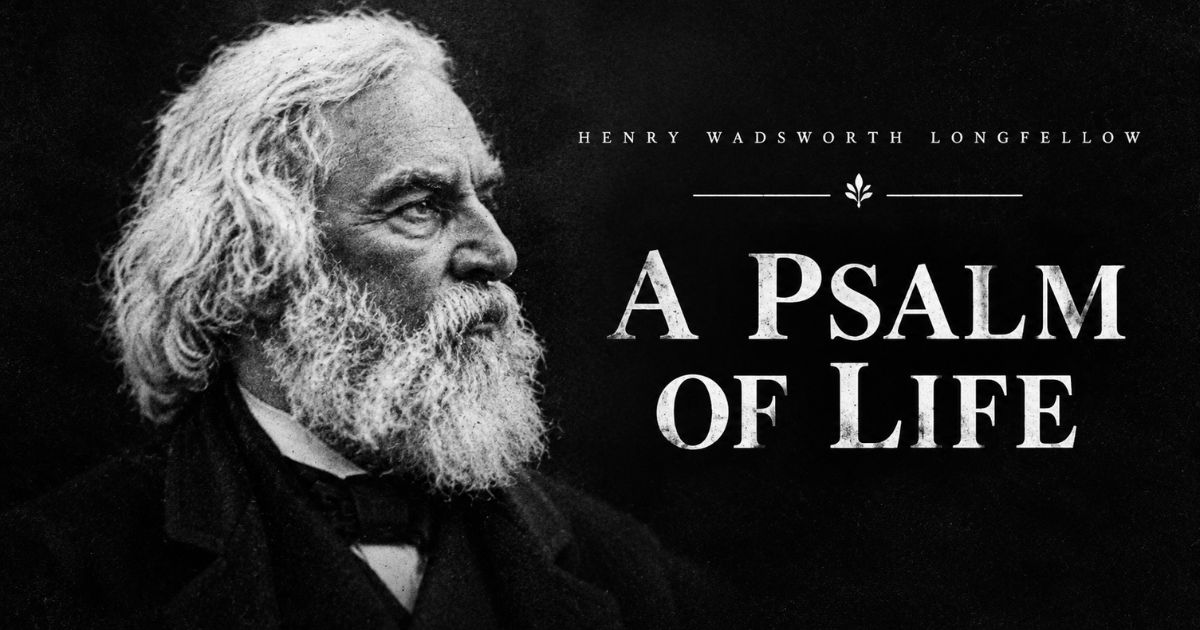
Portrait of Henry Wadsworth Longfellow, author of the poem "A Psalm of Life".

Introduction The speaker in the poem “A Psalm of Life” is not Henry Wadsworth Longfellow himself. It is a fictional, personified figure called the “Heart of the Young Man,” who speaks directly to a second character, “the Psalmist.” Longfellow tells us this himself in the poem’s own subtitle: “What the Heart of the Young Man … Read more

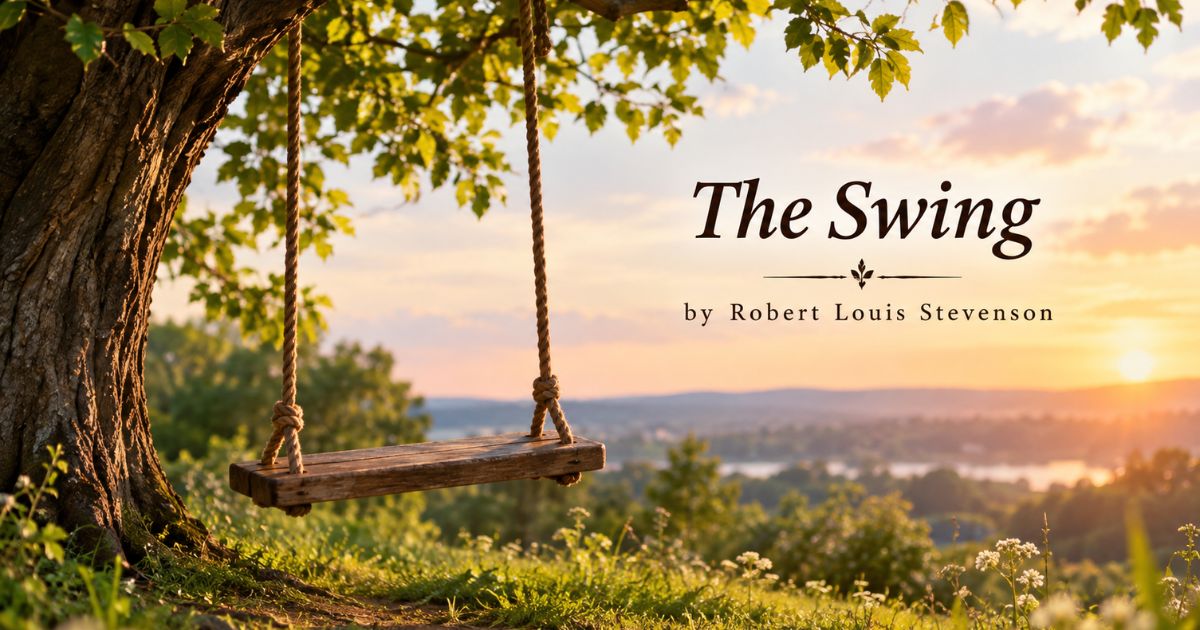
The Swing Poem by Robert Louis Stevenson: Summary & Mean

Wooden swing on a tree overlooking sunset, illustrating Robert Louis Stevenson's poem "The Swing".

Few poems capture the pure joy of childhood as simply as “The Swing” twelve short lines that turn a backyard swing ride into a tiny flight of imagination. It’s one of the most searched children’s poems online, largely because it’s taught in primary school English classes across the world. So who wrote it, what does … Read more

When Lilacs Last in the Dooryard Bloom’d: A Complete Guide

Purple lilac clusters symbolizing Walt Whitman's "When Lilacs Last in the Dooryard Bloom'd" poem.

Introduction “When Lilacs Last in the Dooryard Bloom’d” is Walt Whitman’s great elegy for Abraham Lincoln, written in the months following Lincoln’s assassination in April 1865. Although Lincoln is never named directly, Whitman builds the poem around a set of recurring natural symbols the lilac, the drooping western star, and the hermit thrush and uses … Read more

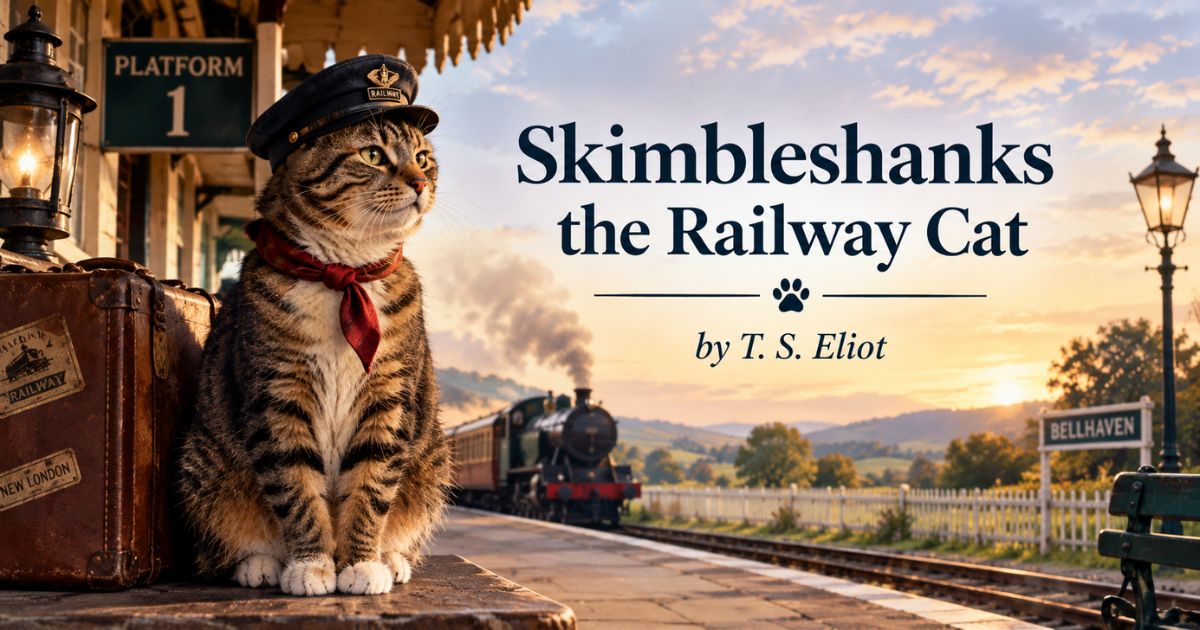
Skimbleshanks the Railway Cat Poem Questions and Answers

Skimbleshanks the Railway Cat by T. S. Eliot with a railway station, train, vintage suitcase, and cat.

Introduction “Skimbleshanks: The Railway Cat” is a humorous poem by T. S. Eliot presents a cat as an extraordinarily responsible and influential member of a railway crew. The poem comes from Eliot’s Old Possum’s Book of Practical Cats (1939) and turns an ordinary night train journey into a playful story about duty, order, responsibility, and … Read more

The Poem is Reminiscent of the Work of the: How to Find the Correct Answer

The Poem is Reminiscent of the Work of the Transcendentalists with a scenic nature and poetry landscape.

Introduction “The poem is reminiscent of the work of the ” is not, on its own, a complete question, it’s a sentence stem, the beginning of a multiple-choice or fill-in-the-blank exam question that depends entirely on which poem the question is actually about. Different textbooks, exam boards, and homework platforms attach this exact phrasing to … Read more

How Does the Poem Represent the Trees as Human Entities?

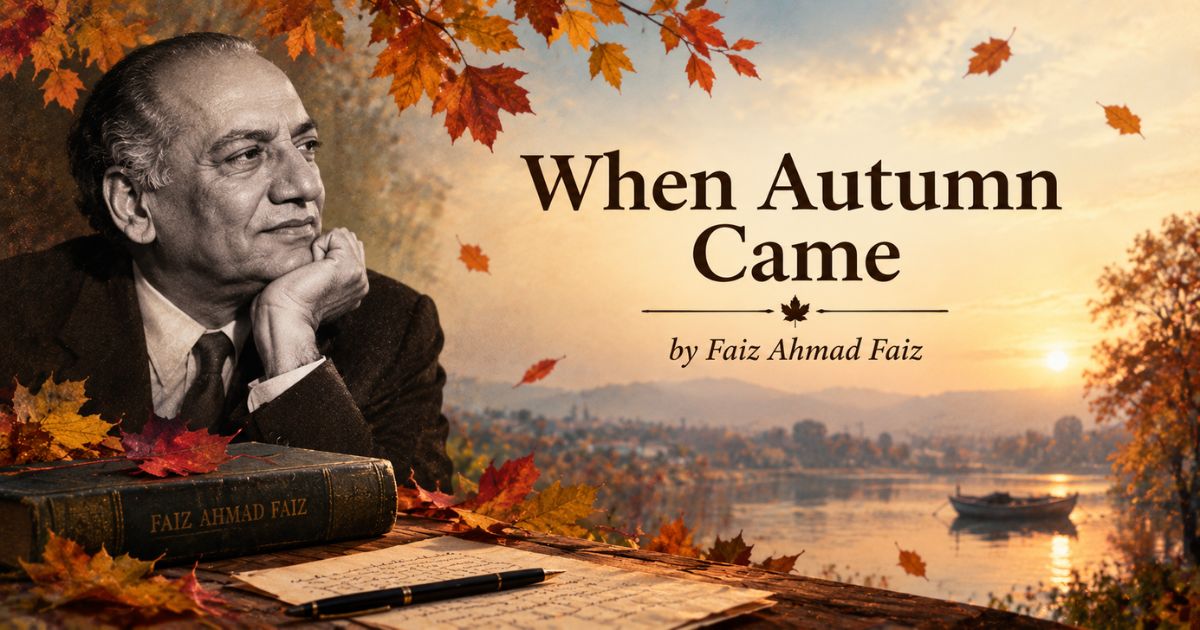
Trees as human entities in When Autumn Came by Faiz Ahmad Faiz, with autumn trees, falling leaves, and a poetic landscape.

Introduction The poem represents the trees as human entities through personification in Faiz Ahmed Faiz’s “When Autumn Came.” Faiz gives the trees human-like bodies, hearts, vulnerability, and the ability to suffer silently. The trees are not presented merely as parts of the natural landscape; their suffering becomes a powerful image of human helplessness and oppression. … Read more

The Good-Morrow is a Poem by Whom? Ultimate Guide

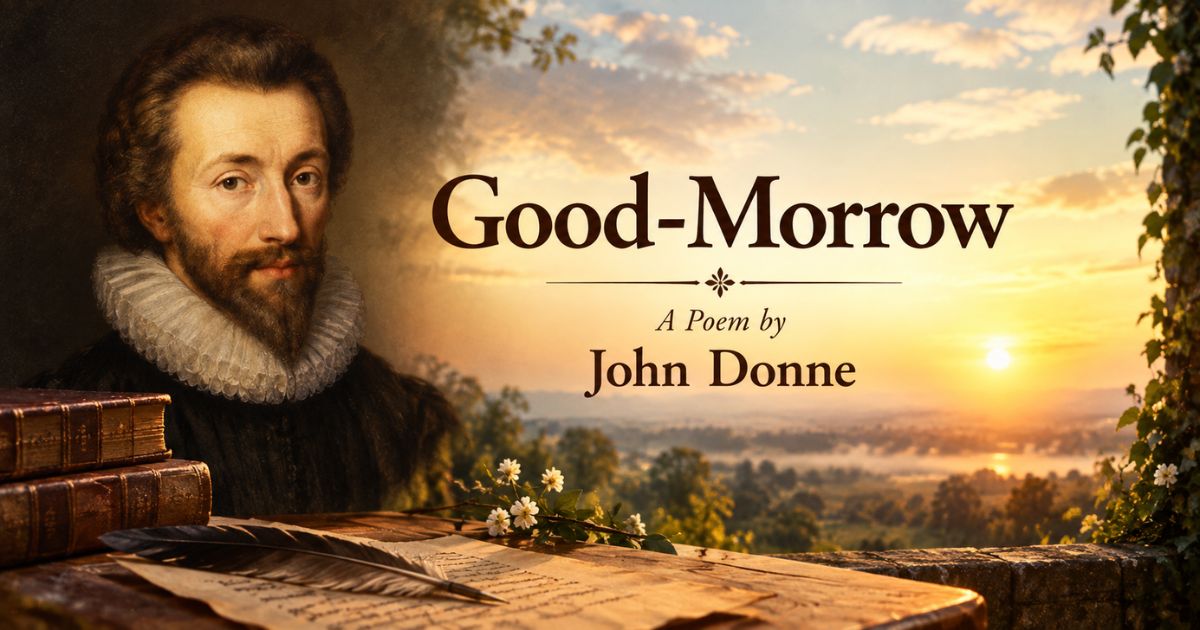
Good-Morrow is a poem by John Donne with a romantic sunrise, historic portrait, books, and poetic manuscript

Introduction The Good-Morrow is a poem by John Donne, one of the most important poets associated with English metaphysical poetry. The poem is a celebrated love lyric in which a speaker reflects on how his relationship has transformed his understanding of life, love, and the world. Rather than simply describing romantic affection, Donne presents love … Read more