
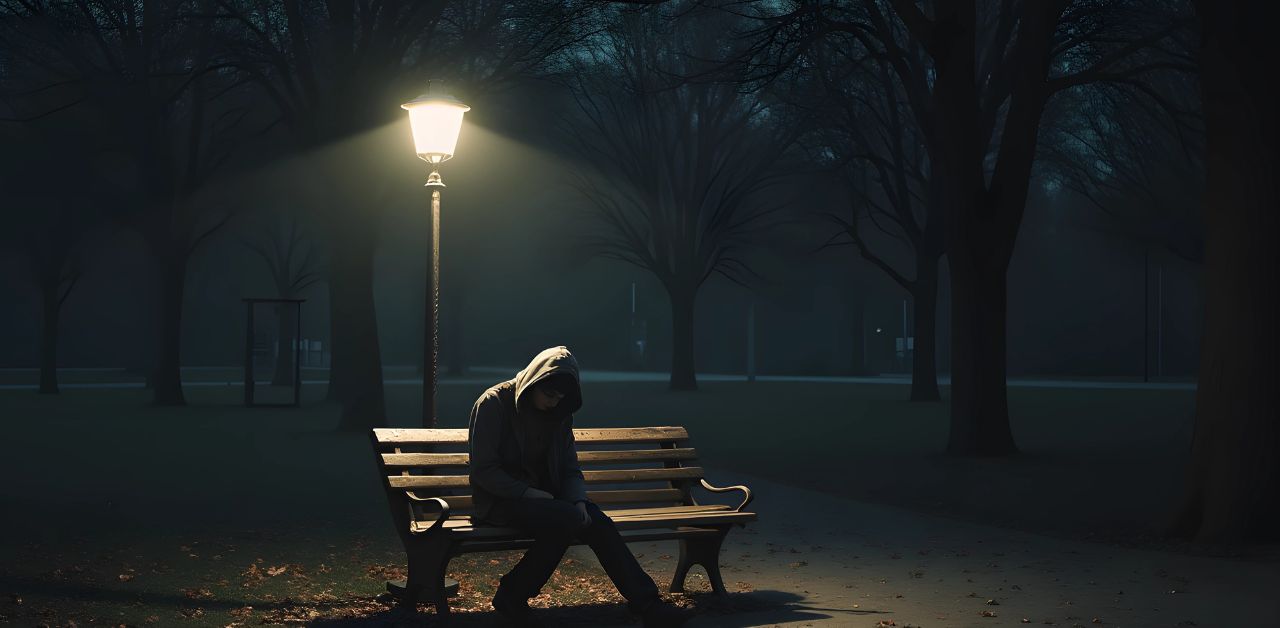
Dark poems speak when ordinary words fail. They explore loneliness, pain, grief, and the quiet weight of human suffering. These poems do not aim to comfort instantly; instead, they reflect emotions many people hide. Through dark poetry, writers transform sorrow into meaning and help readers feel understood. This collection of dark poems brings together voices from different cultures and eras, united by emotional depth and honesty.
The Silence of Loneliness and Pain in Dark Poetry
Silence plays a powerful role in dark poems. Often, what is not said carries more pain than spoken words. Poets use stillness, pauses, and emptiness to reflect emotional isolation and inner struggle. Dark poetry shows how loneliness can exist even among people. These poems help readers recognize their own unspoken feelings and remind them that pain is a shared human experience.
Darkness by Lord Byron — A Vision of Despair
Lord Byron’s “Darkness” is one of the most intense dark poems ever written. It imagines a world without light, hope, or order. Byron uses darkness as a symbol of despair, fear, and moral collapse. The poem reflects how hopelessness can spread when humanity loses faith in itself. Its power lies in its direct language and haunting vision, making it a timeless work of dark poetry.
21 Poems of Loneliness and Pain
This section brings together dark poems that focus on emotional pain, loss, and self-reflection. Each poem approaches darkness differently, some through grief, others through memory, identity, or love. Together, they create a mirror for readers who seek depth, honesty, and meaning in poetry.
“Nothing but Death” by Pablo Neruda
In this poem, Neruda presents death as an unavoidable presence. He writes with calm intensity, showing how death surrounds daily life. The poem reflects existential loneliness and the fragile nature of human existence. It stands as a quiet but powerful example of dark poems that confront mortality directly.
“Forgetfulness” by Karinna Alves Gulias
“Forgetfulness” explores memory as both a burden and a relief. The poem reflects how forgetting can protect the mind from pain while also creating emptiness. This balance between loss and survival makes it a deeply emotional piece of dark poetry.
“Forgetfulness” by Karinna Alves Gulias
Read again, this poem feels even heavier. Repetition mirrors how memories return despite efforts to forget. It shows that emotional wounds do not fade easily, a common theme in dark poems about trauma and healing.
“Bag of Bones” by Dunya Mikhail
Dunya Mikhail uses the image of bones to speak about war, loss, and survival. The poem carries historical pain and personal grief together. It reflects how violence leaves lasting marks on both the body and soul, making it a strong example of dark poetry rooted in reality.
“For the City That Nearly Broke Me” by Reginald Dwayne Betts
This poem captures the emotional weight of place and memory. Betts writes about a city that shaped and damaged him. The poem reflects urban loneliness, resilience, and personal growth. It shows how dark poems can also carry strength beneath pain.
“The Myth of Innocence” by Louise Glück
Louise Gluck challenges the idea of purity and innocence. She exposes emotional truths beneath idealized stories. The poem reflects disillusionment and emotional awareness, common themes in dark poetry that confront uncomfortable truths.
“If Death Is Kind” by Sara Teasdale
Teasdale writes about death with softness and longing. Rather than fear, she presents death as rest. The poem reflects emotional exhaustion and quiet sorrow, making it one of the more gentle yet haunting dark poems in this collection.
“Old Photographs” by Babeba Baderoon
This poem explores memory through images of the past. Photographs become symbols of what time cannot return. The poem reflects nostalgia, loss, and emotional distance, themes often found in reflective dark poetry.
“Test” by Sarya Abra
“Test” speaks about identity under pressure. The poem explores how people are judged, measured, and reduced. It reflects social pain and emotional tension, adding a modern voice to the tradition of dark poems.
“Love Is Elastic” by Lebogang Mashile
Mashile presents love as something that stretches, breaks, and reforms. The poem reflects emotional strain and resilience. It shows how love itself can be painful, a recurring idea in dark poetry about relationships.
“Enlightenment” by Vijay Seshadri
This poem challenges the idea that understanding brings peace. Instead, knowledge deepens confusion and pain. Seshadri’s work fits well among dark poems that question meaning and certainty.
“A Great Wagon” by Rumi
Though Rumi is often associated with light, this poem acknowledges sorrow as part of spiritual growth. It shows that darkness and wisdom can coexist. The poem bridges dark poetry and spiritual reflection.
“Joy and Sorrow” by Kahlil Gibran
Gibran explains that joy and sorrow are inseparable. The poem reflects emotional balance and acceptance. It reminds readers that dark poems do not deny happiness but give it deeper meaning.
“At the Gate” by Henrik Nord Brandt
This poem captures the moment before change. It reflects waiting, fear, and uncertainty. The quiet tension makes it a powerful example of dark poetry built on anticipation rather than action.
“Corpse Flower” by Vanessa Angélica Villarreal
Villarreal uses the image of a rare flower to explore grief and beauty in decay. The poem shows how pain can produce its own form of truth, a key trait of impactful dark poems.
“Queer” by Frank Bidart
Bidart writes about identity, shame, and self-acceptance. The poem confronts inner conflict directly. Its honesty places it firmly among dark poems that explore the pain of being unseen.
“Spilled Sugar” by Thylias Moss
This poem blends memory and emotion through small details. The sweetness contrasts with underlying sadness. Moss shows how ordinary moments carry hidden pain, a subtle strength of dark poetry.
“Lot’s Wife” by Wisława Szymborska
Szymborska retells a biblical story from a human perspective. The poem reflects regret, choice, and consequence. It stands as a thoughtful and restrained example of dark poems rooted in myth.
“On Pain” by Kahlil Gibran
This poem explains pain as a teacher rather than an enemy. Gibran’s calm tone gives meaning to suffering. It adds philosophical depth to the collection of dark poetry.
“The Bullet Was a Girl” by Danez Smith
Smith’s poem is bold and emotional. It speaks about violence, identity, and injustice. The imagery is sharp, making it one of the most powerful modern dark poems.
“All the Names We Will Not Know” by Naomi Shihab Nye
This poem honors unnamed lives lost to conflict. Nye writes with empathy and restraint. It reflects collective grief, showing how dark poetry can preserve memory and dignity.
Poem Title Required — Kristen Twardowski
Kristen Twardowski’s work often explores emotional vulnerability and personal struggle. Including a titled poem here would strengthen the collection of dark poems, especially those focused on inner pain and self-reflection.
Final Thoughts
Dark poems do not exist to depress the reader. They exist to tell the truth. Through loneliness, pain, and silence, these poems create connection. They remind us that suffering has meaning and that we are not alone in feeling it.
FAQs
- Why write about such heavy themes?
Writing dark poetry serves as a cathartic release, allowing authors to move internal turmoil onto the page and create a “safe distance” from overwhelming emotions like grief and isolation. - What are common symbols for loneliness?
Poets frequently use imagery of empty rooms, barren landscapes, and the starless night to physically represent the “void” of being alone. - Can reading these poems actually help?
Yes, engaging with dark themes in 2026 continues to provide readers with validation and connection, helping them realize their suffering is a shared human experience rather than an isolated one. - Who are the notable figures in this genre?
Classic masters like Edgar Allan Poe and Sylvia Plath remain central, alongside modern 2026 voices like Colin Rozario and Subhojit Kar, who explore contemporary heartache and “solitary aching nights”.
Related to the article : 18 Haiku Poems : That Will Take Your Breath Away

- 50+ Best Poems About God | Inspirational, Short & Famous Verses - April 1, 2026
- 30 Types of Poems | Complete Guide with Examples for Every Poet - March 28, 2026
- Long Distance Love Poems | 33 Heartfelt Poems for Every Emotion - March 27, 2026