
Introduction
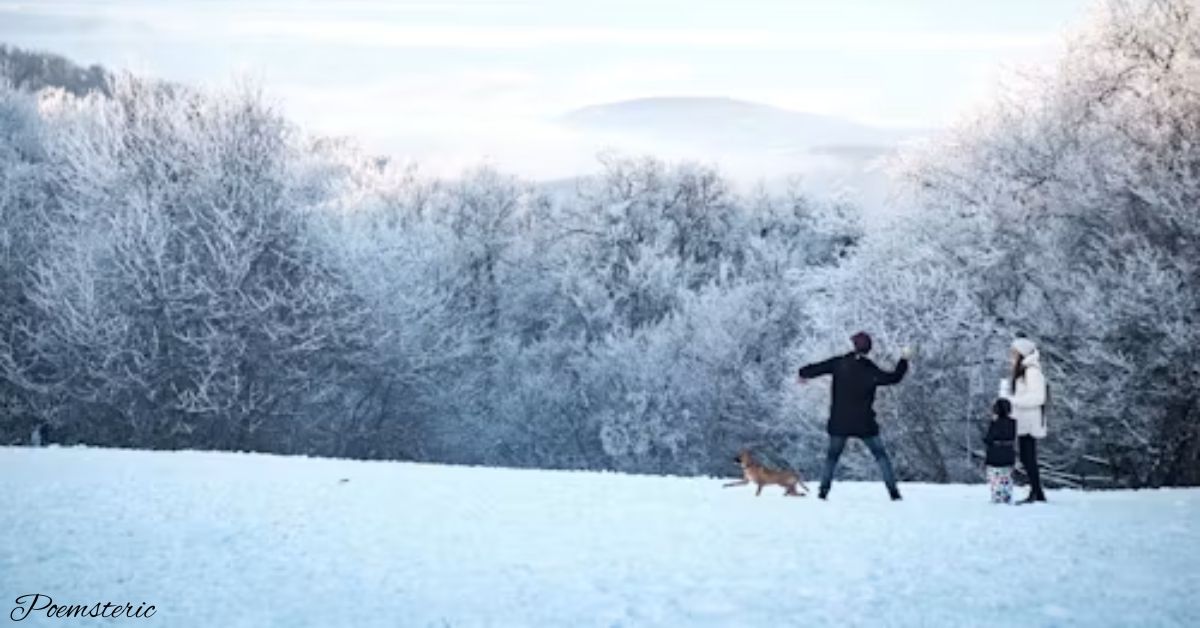
There is a particular kind of silence that only winter brings. The world slows down, the noise of summer fades, and something in us turns inward, toward reflection and the small comforts of warmth and memory. Poets have always understood this. For centuries, they have reached for winter as a way to talk about things that are hard to say directly: loneliness, endurance, beauty hidden in cold places, and the quiet hope that lives beneath frost and snow.
This guide brings together fifteen winter poems that capture exactly that feeling, from timeless classics like Robert Frost and Christina Rossetti to overlooked contemporary voices writing about the solstice, isolation, and renewal. But this is not just another list of titles with no explanation. We will walk through what actually makes a poem belong to this category, since most lists never answer that. We will look at short pieces for a quick pause, longer classics worth sitting with slowly, verses built around the winter solstice, and poems written for children and classrooms.
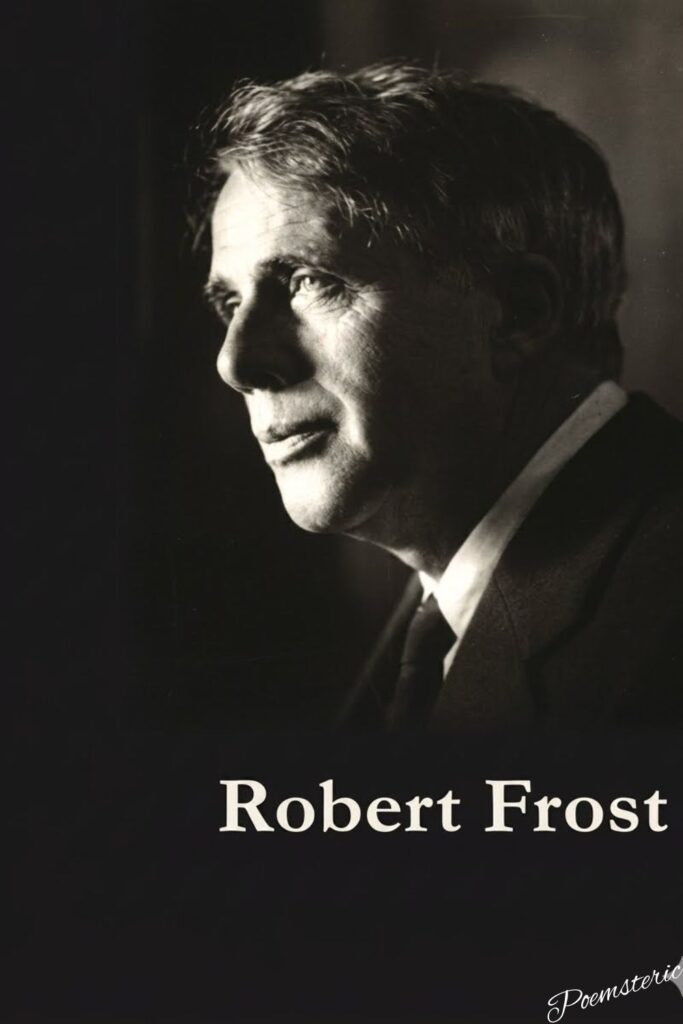
Robert Frost (1874–1963) was an American poet known for his depictions of rural New England life, shaped by a personal history of hardship and loss. He won four Pulitzer Prizes and blended traditional form with everyday speech, exploring themes like nature, isolation, and mortality beneath deceptively simple scenes.
His connection to winter poetry is iconic. “Stopping by Woods on a Snowy Evening” remains one of the most quoted winter poems ever written, while “Dust of Snow” shows in just eight lines how a small winter image can shift an entire mood. For Frost, winter wasn’t just weather, it was a way to capture stillness and quiet reflection.
By the end, you will understand how to choose the right poem for your mood, how poets build that cold, quiet atmosphere using sound and imagery, and how to use this seasonal poetry in ways that go beyond simply reading it once. Whether you want comfort, inspiration, or something beautiful to read while snow falls outside, this collection of winter poems is built to be the most useful guide on the topic.
Key Takeaways
• Winter poems are defined by mood and theme, not just by mentions of snow or cold; many great pieces focus on darkness, stillness, or renewal instead.
• Classic verses from Robert Frost, Emily Dickinson, and Christina Rossetti remain widely read because they balance vivid imagery with universal emotion.
• Short poems work well for quick reflection or journaling, while longer pieces reward slower, repeated reading.
• Solstice poems honor the year’s darkest days, often connecting cold and darkness to hope and renewal.
• Contemporary poets continue writing fresh winter poetry that classic collections often overlook.
What Makes a Poem a “Winter Poem,” Exactly?
Most lists of winter poems never explain what qualifies a piece for the category. The simplest answer is that this kind of poem uses the season, its weather, light, or atmosphere, to explore a deeper feeling. Snow, frost, bare trees, and short days are common ingredients, but they are tools, not requirements.
Some pieces are built around physical description: light falling on snow, ice cracking, silence after a storm. Others use the season as a backdrop for reflection. Robert Frost’s “Stopping by Woods on a Snowy Evening” describes a man pausing to watch snow fall, but underneath, it meditates on duty and the pull toward rest.
This is why winter poetry covers such a wide emotional range. Some verses feel peaceful and meditative; others feel heavy, using the cold months as a metaphor for loss or endurance; still others, especially pieces written for children, treat the season playfully, focused on snowballs and the joy of first snowfall.
Understanding this range changes how you search for a poem. If you only look for pieces mentioning snow, you miss powerful writing built around darkness, solitude, or quiet hope instead.
Snow Imagery vs Seasonal Themes
Snow imagery is the most common shorthand for this genre, but it is not the same as a winter theme. A poem can be entirely about snow and still miss the emotional depth that defines the best examples.
Why Mood Matters More Than Season Words
The strongest entries create a feeling of cold or stillness before the reader notices the seasonal vocabulary doing the work. Mood, more than word choice, is what makes a poem feel like winter.
How to Choose the Right Poem for Your Mood
Not every winter poem fits every moment. Choosing the right one depends on what you need: comfort, reflection, distraction, or simply a few minutes of beauty.
If you feel overwhelmed, shorter, gentler pieces tend to work best, ones focused on small, calming details like falling snow. If you are processing grief, verses using winter as a metaphor for endurance can feel resonant, since they acknowledge difficulty without abandoning hope. If you simply want to enjoy the season, lighter, more playful poems about children and snow capture that joy without much complexity.
Think of choosing a poem the way you might choose music. You would not put on something high-energy to wind down for the night, and the same logic applies here. A poem’s rhythm, length, and tone signal what kind of emotional experience it offers before you reach the meaning of the words.
This is also why a single “best of” list rarely satisfies everyone. The right poem depends on the reader’s mood and need, which is why this guide breaks seasonal poetry into categories rather than one flat ranking.
Step-by-Step: Matching a Poem to How You Feel
1. Identify your current mood: calm, reflective, sad, or nostalgic.
2. Choose length based on attention span: short pieces for a quick pause, longer ones for focused reading.
3. Decide whether you want comfort or challenge.
4. Read the poem once silently, then once aloud, since rhythm often reveals meaning silent reading misses.
5. Sit with it for a moment before moving on.
Classic Winter Poems Everyone Should Read at Least Once
Certain verses have earned their place in nearly every anthology. They balance technical skill with emotional honesty in a way that has kept them relevant for generations.
Robert Frost’s “Stopping by Woods on a Snowy Evening” remains perhaps the most quoted entry in this category, prized for its simple language and quietly profound ending. Christina Rossetti’s “In the Bleak Midwinter,” later adapted into a Christmas carol, pairs harsh imagery with humility and devotion. Wallace Stevens’ “The Snow Man” asks readers to look at the cold season without projecting human emotion onto it, a surprisingly difficult exercise.
Emily Dickinson wrote several pieces on this theme, often exploring mortality and quiet endurance through short lines and unconventional punctuation. Percy Bysshe Shelley and William Carlos Williams also contributed enduring work, each finding different emotional territory within the same seasonal imagery.
What unites these classics is restraint. None of them over-explain. They trust a few precise images, snow, bare branches, frozen ground, to carry more emotional weight than lengthy description could. Reading several side by side reveals how differently skilled poets approach nearly identical subject matter.
Short Winter Poems for Quick Reflection
Not every reader has patience for a long poem, and that is fine. Brief pieces deliver just as much emotional impact in a fraction of the space, often relying on a single sharp image.
Nikki Giovanni’s brief, playful “Winter Poem” captures childlike wonder in a few lines, describing a snowflake melting into something larger and warmer. Robert Frost’s “Dust of Snow” uses a simple moment, a crow shaking snow from a tree, to shift the speaker’s mood in just eight lines. These examples prove brevity does not mean shallowness; shorter verses often require more precision, since every word has to earn its place.
Short poems work well in specific situations: a journaling prompt before bed, a calming pause during a stressful day, or inspiration to share with someone going through a hard season. Because they take only a minute to read, they are ideal for revisiting multiple times, with new details surfacing each time.
If you are new to poetry, starting with brief, accessible pieces is a gentle way to build the habit of reading verse, without the intimidation longer poems can bring to beginners.
Snow and Stillness in Winter Poetry
Snow is the most common image in this genre, but the best examples treat it as more than decoration. It becomes a way of talking about silence, transformation, and the beauty of things slowing down.
William Carlos Williams’ “Blizzard” focuses on a solitary figure moving through snow, using sparse, almost photographic language to build isolation. Claude McKay’s “The Snow Fairy” takes a more imaginative approach, personifying snow as a delicate presence. Both show how flexible this imagery can be, suggesting loneliness in one poet’s hands and wonder in another’s.
Stillness is the quieter cousin of snow in this writing. Many pieces focus on the silence snowfall creates, the way a landscape feels paused rather than simply cold. This stillness often becomes a metaphor for emotional states: grief that mutes everything, or peace that finally lets the mind rest.
Reading several snow-and-stillness pieces together shows how much range exists within what seems like a narrow theme. The same falling snow can represent isolation, wonder, or peace, depending on the poet’s choices and the reader’s own state of mind.
Winter Solstice Poems: Honoring the Darkest Days
The winter solstice, the year’s longest night, has inspired poets across centuries, often as a way of sitting with darkness rather than rushing past it. These poems differ slightly from general seasonal verse by focusing on closure, endurance, and the promise of returning light.
Many contemporary poets write directly about this moment. Poetry Foundation’s collection on the season notably groups several modern pieces under themes of closure and self-reflection, recognizing the solstice as a natural turning point for looking inward. These poems often acknowledge difficulty honestly, the heaviness of long nights, while still pointing toward spring’s return.
This makes solstice-themed work useful for anyone going through a difficult season in life, not just a literal winter. The symbolism of the solstice, the darkest point followed by lengthening days, offers a kind of built-in hope other pieces do not always include.
If you turn to poetry for comfort during hard times, solstice poems are worth seeking out, since their structure is built around the idea that even the longest darkness eventually gives way to light.
Modern and Contemporary Winter Poems Worth Discovering
Most popular lists on this topic lean heavily on writers from a century or more ago. While those classics deserve their place, they leave out poets actively writing about the season today, often in ways that speak more directly to modern experience.
Contemporary poets like Louise Glück write with a stripped-down, unsentimental honesty distinct from the more ornate language of earlier eras. Other modern voices explore the season through the lens of immigration or cultural memory, using its harshness as a metaphor for difficult transitions. These pieces often skip traditional rhyme and meter, favoring plain language that hits just as hard as more formal structures.
Seeking out contemporary work is worth the effort, since school curricula and casual anthologies default to the same handful of historical names. Literary magazines and poetry journals are a good place to find newer voices, often publishing seasonal work as the colder months approach.
For readers who find classic poetry distant, modern entries can serve as an easier starting point, since their language mirrors everyday speech while still carrying real emotional weight.
Winter Poems for Kids and Classrooms
This kind of poetry is not only for adults seeking quiet reflection. Some of the most charming, accessible pieces in this category were written specifically with children in mind, and remain valuable tools in classrooms today.
Shel Silverstein’s playful, rhyme-heavy style captures the joy of snow with humor that appeals to young readers. Many educators also turn to shorter Frost or Dickinson pieces as gentle introductions to figurative language, since seasonal imagery gives students concrete, easy-to-picture examples of metaphor and personification.
Teaching these poems works well because the subject matter is universally relatable. Even students who have never seen snow understand cold, darkness, and a season changing. This makes the genre an effective bridge for teaching literary devices without complex background knowledge.
Beyond classroom use, kid-friendly verses also work well as bedtime reading or quiet-time activities at home. Short, rhythmic, and often funny, they introduce children to poetry in a low-pressure way that builds genuine enjoyment.
How These Poems Use Imagery, Sound, and Rhythm
Behind every memorable piece is a set of deliberate technical choices that shape how the writing feels from the first line, even when casual readers never consciously notice them.
Imagery does most of the heavy lifting here. Specific, sensory details, the sound of ice cracking, the shade of gray winter light, the texture of frost on glass, ground abstract feelings in something concrete. Sound matters just as much. Many pieces use slow, soft consonant sounds to mimic the hush of snowfall, while sharper sounds suggest biting cold or wind.
Rhythm plays a quiet but powerful role too. Verses about stillness often use slower, measured rhythms, while pieces about storms may speed up, using shorter lines to mirror chaos. Robert Frost used a steady, almost hypnotic rhythm in “Stopping by Woods on a Snowy Evening” to mirror the calm pull of the scene he describes.
Noticing these technical choices deepens appreciation well beyond surface-level reading. Once you pay attention to sound and rhythm, even familiar, frequently anthologized poems can feel newly impressive on a second reading.
Common Poetic Devices Found in This Genre
Personification, where snow or cold is given human qualities, appears frequently, alongside metaphor, where the season stands in for grief or peace, and alliteration, used to mimic wind through repeated soft sounds.
Ways to Use Winter Poems Beyond Just Reading Them
Most readers encounter a poem once, enjoy it briefly, and move on without considering how flexible these short pieces can actually be in daily life.
These verses make excellent journaling prompts. Reading one about stillness before writing in a journal often unlocks reflection that a blank page alone rarely produces. They also work well as conversation starters during long winter months, when gatherings can use a small spark of shared meaning beyond small talk about the weather.
Teachers and parents can use them as memorization exercises, since their compact length builds confidence with recitation, a skill that benefits reading fluency well beyond poetry itself. Some readers use short pieces as social media captions or greeting card messages, since a few well-chosen lines often communicate sentiment more effectively than generic phrases.
These poems can also anchor small seasonal rituals: reading one each evening through December and January, or memorizing a single piece to recite at the solstice each year. Treating them as something to interact with, rather than read once, extends their value far beyond a single afternoon.
Common Mistakes People Make When Choosing Winter Poems
A few recurring mistakes keep readers from getting the most out of this poetry, and avoiding them makes the experience more rewarding.
The first mistake is assuming every piece must explicitly mention snow or cold. As covered earlier, mood and theme matter more than literal seasonal vocabulary, and limiting your search to snow-specific keywords cuts out a huge range of excellent writing. The second mistake is sticking exclusively to classic, centuries-old poets. While Frost, Dickinson, and Rossetti remain essential, ignoring contemporary voices means missing perspectives that speak more directly to modern life.
The third mistake is reading too quickly, treating pieces like items on a checklist rather than slowing down to absorb the imagery and rhythm. The fourth mistake is choosing poems based purely on popularity rather than personal mood or need, creating a mismatch between what a reader actually wants and what a generic “best of” list recommends.
Avoiding these mistakes turns this reading from a passive scrolling exercise into something genuinely useful: a flexible source of comfort, reflection, and beauty throughout the colder months.
FAQs
Q: What makes a poem a winter poem?
A: A winter poem uses the season, its weather, light, or atmosphere to explore a deeper feeling or idea, rather than simply mentioning snow or cold. Some winter poems describe physical scenes like falling snow or bare trees, while others use the season as a metaphor for emotions like loneliness, endurance, or hope. What unites them is mood: a winter poem should feel cold, quiet, or reflective, even before the reader notices the specific seasonal vocabulary at work.
Q: What are some of the best winter poems to start with?
A: Strong starting points among classic winter poems include Robert Frost’s “Stopping by Woods on a Snowy Evening,” Christina Rossetti’s “In the Bleak Midwinter,” and Wallace Stevens’ “The Snow Man.” Each offers a different emotional angle, from quiet reflection to philosophical distance, while remaining accessible to readers new to poetry. For something shorter, Robert Frost’s “Dust of Snow” delivers a complete emotional shift in just eight lines.
Q: Are winter poems only about snow?
A: No. While snow is a common image in winter poems, many of the strongest examples focus on darkness, stillness, or solitude instead, without mentioning snow at all. Winter solstice poems, for instance, often center on the year’s longest night and the hope of returning light rather than weather imagery. Limiting a search to snow-specific keywords means missing a large portion of meaningful winter poetry.
Q: What is a winter solstice poem?
A: A winter solstice poem focuses specifically on the year’s darkest, longest night, often using that darkness as a way to explore themes of closure, endurance, and renewal. These poems tend to acknowledge difficulty honestly while still pointing toward the return of light and spring. They differ from general winter poems by centering on this single symbolic turning point rather than the season as a whole.
Q: How can I use winter poems beyond just reading them once?
A: Winter poems work well as journaling prompts, conversation starters, or memorization exercises for building reading fluency. Teachers often use short, accessible winter poems to introduce literary devices like metaphor and personification. Readers can also anchor small seasonal rituals around them, such as reading one poem each evening through the colder months or reciting a favorite piece at the winter solstice each year.
Final Thoughts
Winter poems offer far more than seasonal decoration. At their best, they capture the emotional texture of cold, quiet months, the stillness, the introspection, the strange comfort hidden inside darkness and frost. From Robert Frost’s enduring classics to overlooked contemporary voices writing about the solstice and modern isolation, this collection of fifteen pieces spans centuries while staying rooted in one essential idea: winter gives poets, and readers, permission to slow down.
Choosing the right poem for your mood, understanding the imagery and rhythm behind it, and finding ways to actually use this writing in daily life, through journaling, teaching, or quiet reading, transforms poetry from a one-time read into something genuinely woven through the season itself.
If this guide has sparked a deeper interest in seasonal verse, Poemsteric’s broader collection of nature and seasonal poems offers more ways to explore how poets capture the changing world around us, one season at a time.
Recent Article : Did Virginia Woolf Write Poems? The Surprising Truth

Jennifer Aston is a passionate poetry curator and writer with a deep love for the written word. She believes poetry has the power to heal, inspire, and connect people across all walks of life. Through PoemSteric, she brings together timeless and modern verses for every emotion and every moment.