
Introduction
Have you ever read a poem and felt you could smell the rain, hear the wind or taste the salt in the air? That is the power of imagery poems. A strong imagery poem builds a world the reader can step into, using specific, concrete details that speak to more than one sense at once. Often paired with figurative language such as metaphor and simile, it turns abstract feelings into something the reader can almost touch. Readers arrive at the emotion through the senses, not by being told what to feel.
This guide gives you 15 real examples, the 7 types of imagery, notes on teaching imagery by grade level, and a step-by-step method for writing your own.
Key takeaways
- Imagery poems use sensory language (sight, sound, smell, taste, touch) so readers experience a scene rather than just read about it.
- There are seven recognised types of imagery, five of which map to the senses.
- Strong imagery uses specific, concrete detail, not vague description.
- The best examples layer two or three senses in a single stanza.
- Figurative language (metaphor, simile) often deepens the sensory effect, but the two are not the same thing.
What are imagery poems? A clear definition
Imagery poems are built around vivid, sensory language that helps the reader see, hear, smell, taste or feel what the poem describes. Instead of stating a fact, the poem shows it. Rather than “the night was cold,” it might say “frost crept along the windowpane, biting at the glass.” The second version creates a picture and a physical sensation.
Imagery is not limited to one style. It appears in haiku, long narrative poems, love poems and nature poems. What ties them together is intention: the poet is trying to make you feel present in the moment. “I was sad” tells the reader little. “A gray sky pressing down on empty streets” lets the reader arrive at sadness through the senses, which tends to last longer. Teachers often introduce imagery early in a literature unit because the difference between flat and vivid language is easy to feel once you see a few clear examples.
7 types of imagery in poetry
The five sensory types
- Visual imagery: colour, shape, light and movement. “The orange sun melted into the horizon.”
- Auditory imagery: sound. “The gravel crunched under heavy boots.”
- Olfactory imagery: smell. “The kitchen smelled of cinnamon and burnt sugar.”
- Gustatory imagery: taste. “The lemonade was sharp, almost sour, against her tongue.”
- Tactile imagery: touch and texture. “The wool blanket scratched against bare skin.”
Two extended types
- Kinesthetic imagery: movement and physical action, such as a runner’s legs burning in the last stretch of a race.
- Organic imagery: internal sensations such as hunger, tiredness or a racing heartbeat, felt from the inside.
Strong examples rarely rely on one type. The best layer two or three.
15 imagery poems and what each one does
Here are 15 well-known examples, with the main sense each leans on. Read each in full at the Poetry Foundation or in a good anthology.
Visual
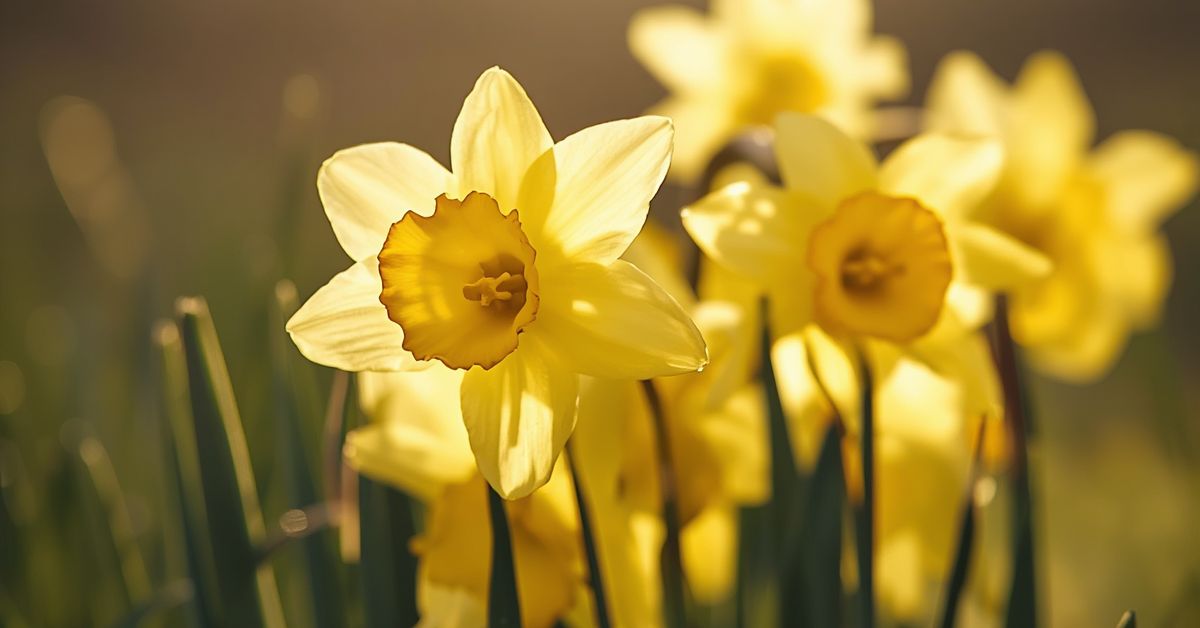
- “I Wandered Lonely as a Cloud” (“Daffodils”) by William Wordsworth. A host of golden daffodils fluttering and dancing beside a lake. A single image does more emotional work than several lines of explanation.
- “The Red Wheelbarrow” by William Carlos Williams. One wheelbarrow, rain and white chickens. A textbook case of how much a few exact visual details can carry.
- “In a Station of the Metro” by Ezra Pound. Faces in a crowd compared to petals on a wet, black bough, in just two lines.
- “The Fish” by Elizabeth Bishop. Close, almost microscopic visual detail of a caught fish, building slowly to a moment of respect.
Auditory
- “Coming Home at Twilight in Late Summer” by Jane Kenyon. A quiet scene built from small sounds and tastes, turning a forgettable evening into something deeply felt.
- “The Darkling Thrush” by Thomas Hardy. A frail bird’s evening song breaks into a bleak winter landscape, using sound as the poem’s hope.
Olfactory and gustatory
- “Preludes” by T.S. Eliot. Fragmented urban images (smoke, grimy streets, scattered newspapers and the smell of steaks in passageways) build a mood of isolation.
- “This Is Just to Say” by William Carlos Williams. Plums eaten from the icebox, “so sweet and so cold,” make taste and temperature do the work.
- “Blackberry-Picking” by Seamus Heaney. Taste, smell and touch in the sweet thrill of picking and the rot that follows.
Tactile and kinesthetic
- “Stopping by Woods on a Snowy Evening” by Robert Frost. Harness bells, easy wind and downy flake. Sound and touch create a pocket of silence.
- “A Narrow Fellow in the Grass” by Emily Dickinson. A snake rendered through movement and a sudden chill, famous for its closing sensation of fear.
- “Eagle Poem” by Joy Harjo. An eagle circling in blue wind. Movement and sky imagery create openness and reverence.
Mixed senses
- “Balloons” by Sylvia Plath. Ordinary party balloons transformed through strange, vivid imagery into creatures and shifting colours.
- “God’s Grandeur” by Gerard Manley Hopkins. Light, shaking foil and oozing oil. Word-by-word sensory detail shows how each choice builds an impression. (See also poems about God.)
- “To Autumn” by John Keats. Mellow fruitfulness, humming gnats, a stubble field warmed by rosy light: nearly every sense in one ode.
What unites them is restraint paired with precision. None over-explains. They trust a handful of well-chosen details to do the emotional work, which is a lesson any new poet can use.
Visual imagery: painting pictures with words
Visual imagery is the most common entry point because it is the easiest to spot. A visual imagery poem uses colour, light, shape and spatial detail to construct a scene. Ask a student to close their eyes after reading a strong example and they can usually describe it in detail, which proves the words built a picture.
The goal is specificity. “A pretty flower” does little. “A daffodil bent low under the morning frost” gives the eye something to hold. The more specific the detail, the more vivid the image, and the longer it stays after the poem ends.
Auditory and olfactory imagery: sound and scent on the page
Sound and smell are underused compared with sight, yet both are tied closely to memory. The smell of bread baking or rain on hot pavement can carry a reader back to a specific moment in an instant.
Auditory imagery leans on onomatopoeia, rhythm and carefully chosen verbs. Words like crackle, hiss, rumble and whisper both describe an action and mimic its sound. Olfactory imagery often appears in poems about home, childhood or loss, because scent memory is strongly linked to emotion. Avoid generic words like “loud” or “smelly.” Name the sound or scent: a creaking floorboard, wet pine.
Imagery poems for students, by grade level
Elementary and middle school. Short poems with one clear image work best, such as a walk through autumn leaves with crunching sounds and the smell of woodsmoke. Haiku and short Dickinson or Frost poems are good choices. Some war poems, such as Randall Jarrell’s “The Death of the Ball Turret Gunner,” are striking in their imagery but need teacher guidance because of their subject matter.
High school. Longer, layered poems suit students ready to track multiple senses and symbolism at once. Hopkins’s “God’s Grandeur” is a strong choice for close reading of word choice. Pair poems by grade level rather than assigning one poem to every class, since students engage more with material that matches where they are. For analysis skills, see good poems to analyze.
How to write your own imagery poem
- Choose a single moment, not a whole story. A walk, a meal, a rainstorm.
- List every sense you can draw from that moment. What did you see, hear, smell, taste and touch? Early drafts often lean on sight alone.
- Replace vague words with specific ones. “Nice smell” becomes “the smell of cut grass after rain.” “Loud noise” becomes “the screech of brakes on wet asphalt.”
- Add one piece of figurative language. A simile or metaphor, used sparingly, intensifies imagery. A sunset like “a bruise spreading across the sky” does more than ten literal lines.
- Read it aloud and cut anything that does not engage a sense. If a line only explains an emotion (“I felt scared”), cut it or rebuild it around a sensory detail that implies it.
If you prefer a looser form, you can carry the same skill into a prose poem.
Imagery vs figurative language: what is the difference?
Imagery is language that engages the senses to create a sensory experience. Figurative language is a broader category that includes simile, metaphor, personification and hyperbole: techniques that compare or exaggerate rather than describe sensation directly.
They overlap because figurative language often strengthens imagery. A sunset called “a wound bleeding across the sky” combines a metaphor with vivid colour and shape. But not all figurative language is imagery. “As stubborn as a mule” is a simile but does not necessarily engage the senses.
This matters when you are asked to identify imagery for class. Naming a metaphor alone is an incomplete answer unless you also point to the specific sensory detail it creates. And if you are asked for figurative language, pointing only to a sensory description misses the mark. (More on poetic devices in our guide to types of poems.)
Short imagery poems worth reading today
Some of the most striking imagery poems are very brief. A short imagery poem might focus on a single image (frost on a window, steam rising from a cup, one bird against a gray sky) and let it carry all the emotion. A haiku is built almost entirely on one tightly controlled image. Here are two short originals.
Frost on the Window
Frost writes its ferns across the glass,
a cold breath lingering, thin and white.
My fingertip melts one small star
and the garden outside blinks into light.
Rain on Hot Pavement
First drops hiss on the sun-baked street.
That smell — warm dust, wet stone, green —
rises like a memory with no name
and the whole block exhales.
Short poems are good for daily practice. Spend five minutes each morning describing one sensory detail from your surroundings, and over weeks you will build a sharper eye for specific, concrete language.
FAQs
What is imagery in a poem, with an example?
Language that appeals to the senses so readers experience a scene rather than just learn about it. Instead of “the forest was quiet,” you might write “only the soft crunch of pine needles broke the silence.”
What are the 7 types of imagery?
Visual, auditory, olfactory, gustatory, tactile, kinesthetic and organic. The first five match the senses. Kinesthetic covers movement, and organic covers internal sensations like hunger or a racing heartbeat.
What is the best Sylvia Plath poem for studying imagery?
“Balloons” is widely used because it turns an ordinary object into something strange and vivid through unexpected visual comparisons.
How can imagery poems improve my own writing?
Reading and analysing them trains you to notice specific, concrete detail instead of relying on vague descriptions. The skill transfers to fiction and everyday writing, because imagery is fundamentally about precision.
Are imagery poems only for classic poetry?
No. Imagery is one of the most widely used devices in contemporary poetry too. It is a technique, not a historical style.
Final thoughts
Imagery poems remind us that poetry is not only something we read. It is something we are meant to experience. Whether you are drawn to Wordsworth’s daffodils or the strange transformation of an ordinary balloon in Plath’s hands, the through-line is the same: specific sensory detail creates a deeper connection than abstract statement. If you are a student, start by identifying which of the seven types a poem leans on most. If you are a writer, choose one small moment and commit to sensory specificity. The more you practise noticing and naming imagery, the more naturally it will appear in your reading and your writing.
Recent Article : Poems About Baseball: 15 Classic & Modern Picks for Every Fan

Jennifer Aston is a passionate poetry curator and writer with a deep love for the written word. She believes poetry has the power to heal, inspire, and connect people across all walks of life. Through PoemSteric, she brings together timeless and modern verses for every emotion and every moment.