
Poems about kids are short, meaningful verses that reflect childhood imagination, innocence, and everyday experiences. These children poems help kids develop language skills, emotional awareness, and creativity through rhythm and simple storytelling. From classic nursery rhymes to famous kids poems, poems about kids make learning enjoyable and support early reading, listening, and thinking skills in a natural way.
What Are Poems About Kids?
Poems about kids are verses that explore the world from a child’s perspective or reflect on the nature of childhood itself. They are not necessarily always for children, but they centre on themes, experiences, and emotions intrinsic to being young. These poems can be joyful and celebratory, capturing the lightness of play and discovery. They can also be thoughtful, touching on the fleeting nature of youth or the profound, often philosophical, questions children ask. Classic examples range from William Blake’s symbolic innocence in Songs of Innocence to the playful whimsy of A.A. Milne’s When We Were Very Young.
As the critic and author Francis Spofford noted in The Child That Books Built, literature for children often serves as a “map of the world,” and poems are among the first charts they use to navigate it. Poems about kids hold up a mirror to their inner lives, validating their feelings and expanding their understanding of the world around them, all within a structured, memorable, and often musical form of language.
How to Select Poems for Kids?
Choosing the right poem for a child is like picking the perfect key for a lock; the right fit opens up a world of treasure. The selection should begin with the child’s age and developmental stage. For toddlers and pre-schoolers, seek out poems with strong, bouncy rhythms, simple rhymes, and playful sounds think of the infectious cadence of “Hey, Diddle, Diddle.“ The repetition and sonic fun are paramount. As children grow into early readers, look for poems with clear narratives and vivid, concrete imagery, such as Robert Louis Stevenson’s “Bed in Summer,“ which paints a relatable picture of a child’s frustration.
For older children, you can introduce more subtlety, metaphor, and complex emotions, like those found in Emily Dickinson’s “‘Hope’ is the thing with feathers.“ Always consider the child’s interests a poem about animals, the moon, or a silly character will capture attention more readily. Most importantly, read the poem aloud yourself first. Does it sing? Does it feel good in your mouth? If it brings you joy to speak, it will likely bring a child joy to hear. As anthologist and poet Caroline Kennedy writes in her introduction to Poems to Learn by Heart, “The poems we learn when we are young stay with us for the rest of our lives.” Choose poems that are worthy of that lifelong companionship.
Why Are Poems About Kids Important?
Poems about kids serve a purpose far greater than simple entertainment. They are vital tools in a child’s cognitive, emotional, and linguistic development. On a practical level, the rhythm and rhyme patterns build phonemic awareness, a critical pre reading skill. The concise nature of poetry introduces rich vocabulary in a memorable context. But the importance runs deeper. Poems about kids give children a language for their feelings. When a child hears Hilda Conkling’s “About My Dreams,“ they find that their own inner world of imagination is valid and shared.
Poems about kids also cultivate empathy; stepping into the perspective of a poem’s subject allows a child to see through another’s eyes. Furthermore, in a fast-paced world, poetry teaches the value of slowing down, of savouring sounds and meanings. It encourages close listening and repeated engagement one often wants to hear a favourite poems about kids again and again. The poet Joseph Coelho, the UK Children’s Laureate, champions poetry as a form of empowerment, stating that it allows children to “explore difficult emotions in a safe space.” In essence, poems about kids honour the child’s experience, sharpen their minds, soothe their hearts, and connect them to a centuries-old chain of human expression and wonder.
Best Popular Short Poems About Kids
The following collection brings together some of the most beloved short poems about kids in the English language that have charmed children for decades, if not centuries. Each one is a gem, polished by time and countless recitations, chosen for its ability to resonate with the young heart and mind.
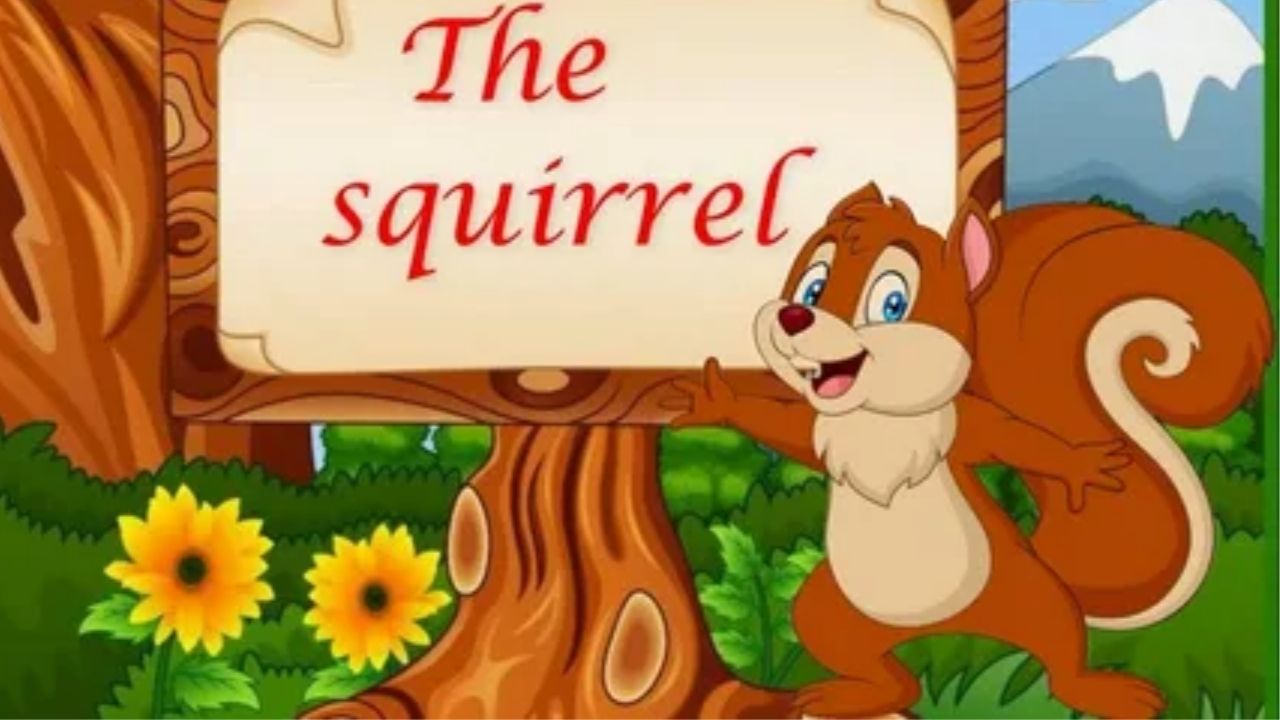
The Mountain and the Squirrel — Ralph Waldo Emerson
This witty fable in verse teaches a lesson in humility and self-worth through a debate between a mighty mountain and a small squirrel. The squirrel’s clever retort that while it cannot carry forests on its back, the mountain cannot crack a nut celebrates the unique talents of every individual, no matter their size. It’s a perfect poems about kids for discussing difference and respect.
The Mountain and the Squirrel
By Ralph Waldo Emerson
The mountain and the squirrel
Had a quarrel,
And the former called the latter “Little Prig.”
Bun replied,
“You are doubtless very big;
But all sorts of things and weather
Must be taken in together
To make up a year
And a sphere.
And I think it no disgrace
To occupy my place.
If I’m not so large as you,
You are not so small as I,
And not half so spry.
I’ll not deny you make
A very pretty squirrel track.
Talents differ; all is well and wisely put;
If I cannot carry forests on my back,
Neither can you crack a nut.”
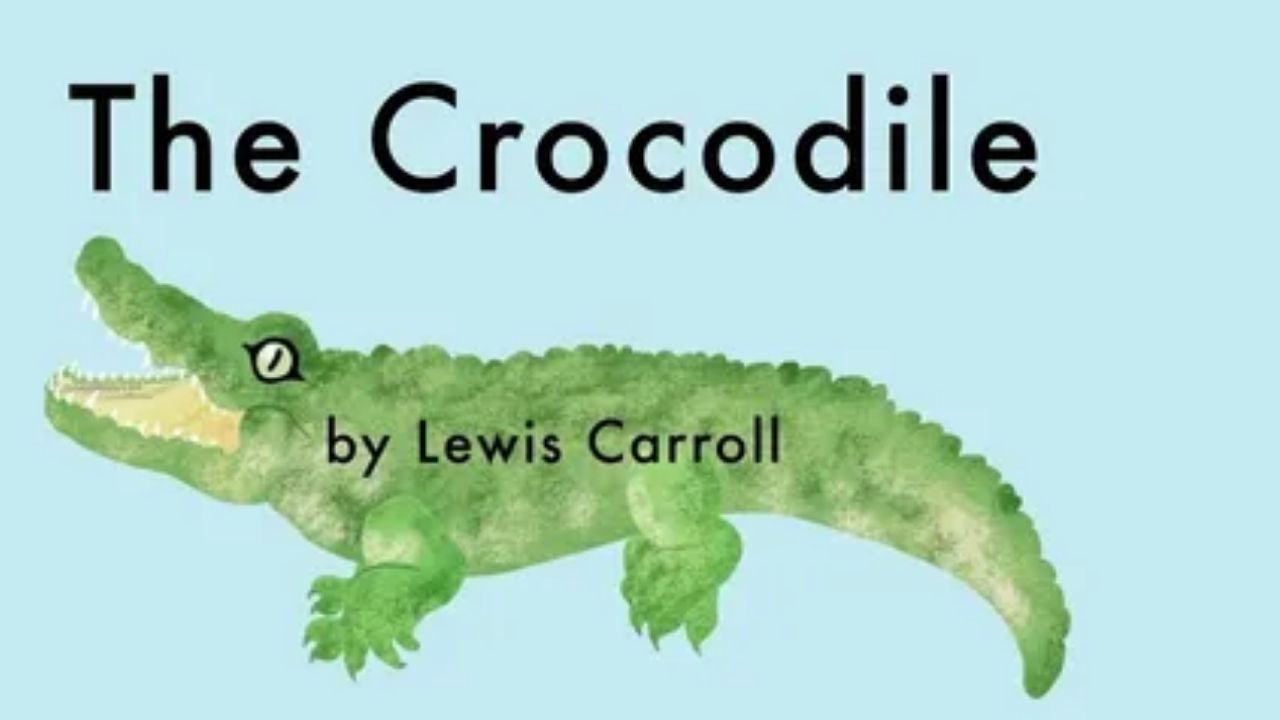
The Crocodile — Lewis Carroll
From the surreal world of Alice’s Adventures in Wonderland, this short verse exemplifies Lewis Carroll’s genius for combining logic with absurdity. Its cheerful rhythm and grinning imagery are instantly captivating, making the potentially fearsome crocodile an object of delightful fascination rather than fear.
The Crocodile
By Lewis Carroll
How doth the little crocodile
Improve his shining tail,
And pour the waters of the Nile
On every golden scale!
How cheerfully he seems to grin,
How neatly spreads his claws,
And welcomes little fishes in
With gently smiling jaws!
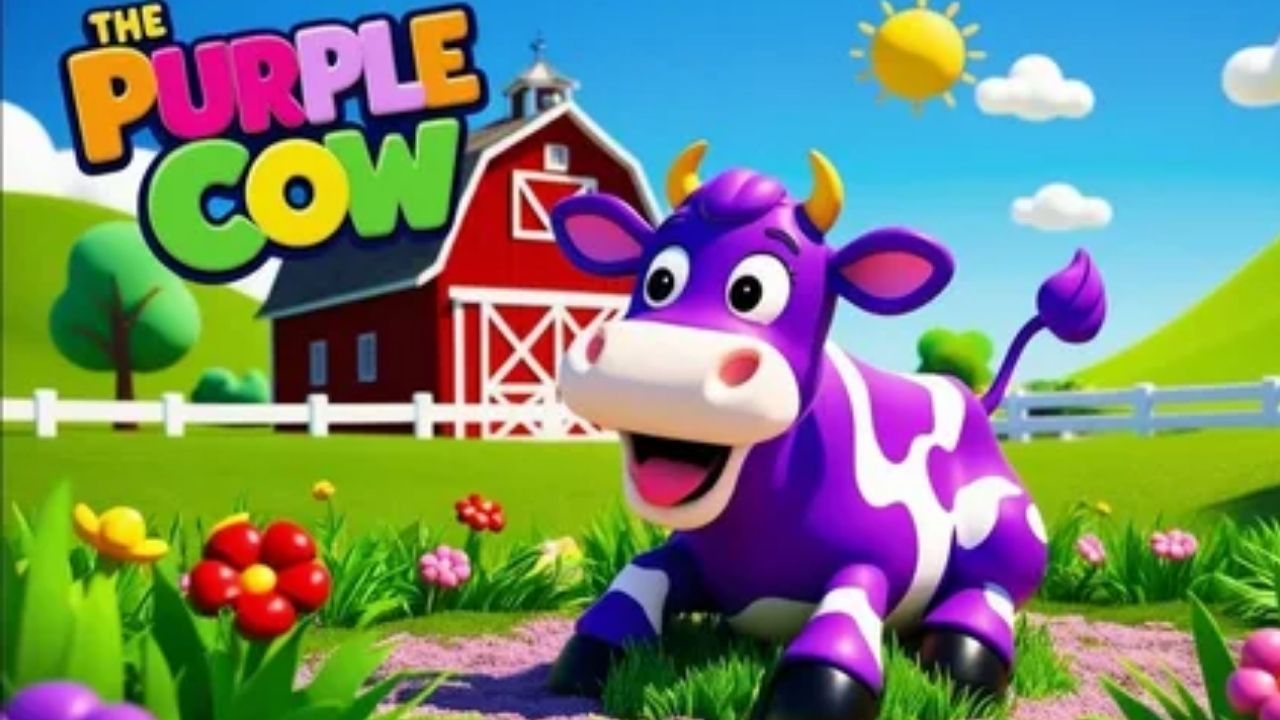
The Purple Cow — Gelett Burgess
A masterpiece of nonsense and a testament to the power of a catchy, silly idea, this poems about kids has achieved folk status. Its humorous regret for having written something so famously absurd makes it a hit with children who appreciate playful irony and the fun of a memorable, ridiculous image.
The Purple Cow
By Gelett Burgess
I never saw a Purple Cow,
I never hope to see one;
But I can tell you, anyhow,
I’d rather see than be one!
About My Dreams — Hilda Conkling
Hilda Conkling wrote this as a young child, and it captures the pure, unfiltered voice of childhood imagination. It blurs the line between dream and reality, inviting readers into a world where thoughts have physical form and personal history is woven from fantasy. It validates the inner life of a child as rich and meaningful.
About My Dreams
By Hilda Conkling
Now the flowers are all folded
And the dark is going by.
The evening is arising . . .
It is time to rest.
When I am sleeping
I find my pillow full of dreams.
They are all new dreams . . .
No one ever told them to me.
I talk with my dreams
And play with them . . .
They are strange dreams,
Dreams of people I have never seen,
And places I have not visited.
I like them better than the real people I know,
And the real places I have seen.
Some of them are people in books.
One is my great-grandmother . . .
I have heard my mother speak of her.
I think she must have come out of the cedar chest
Where the old dresses are.
Hey, Diddle, Diddle — Mother Goose
The quintessential nursery rhyme, this poem is a cornerstone of childhood literacy. Its irresistible nonsense, animated animals, and celestial punchline engage the youngest listeners, teaching rhythm, rhyme, and the joy of narrative absurdity in just a few lines.
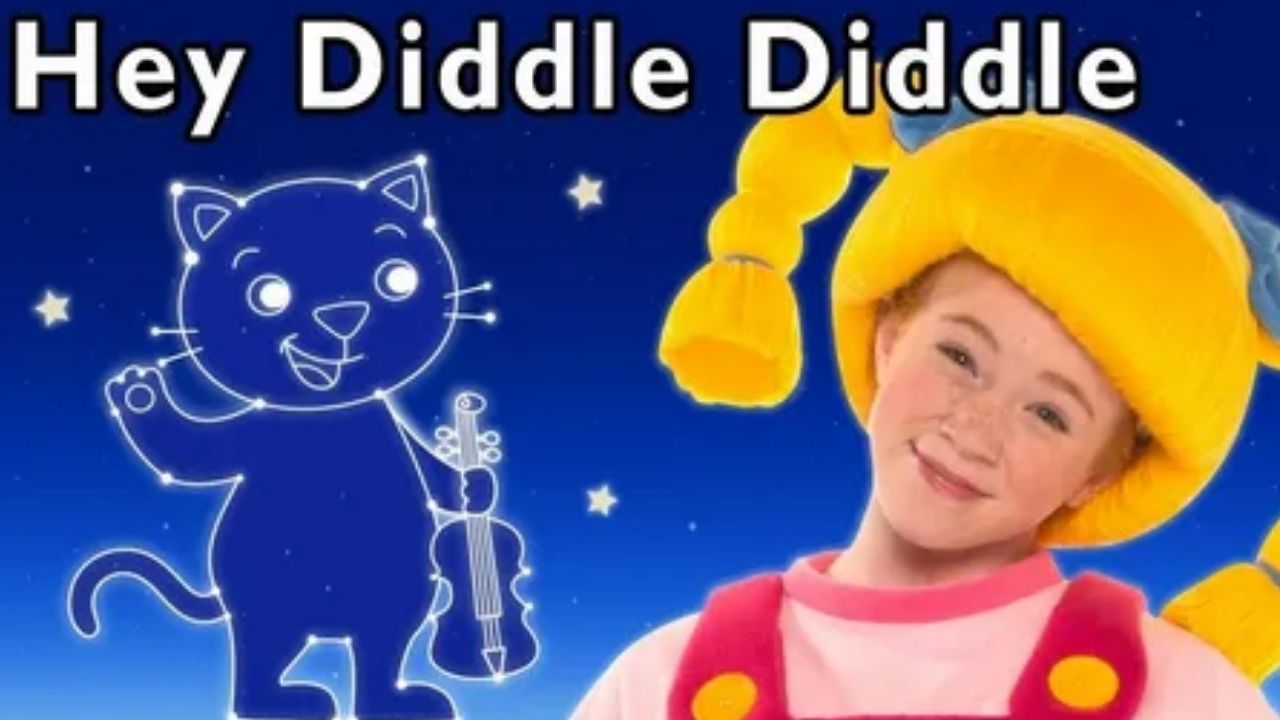
Hey, Diddle, Diddle
Traditional (Mother Goose)
Hey, diddle, diddle,
The cat and the fiddle,
The cow jumped over the moon;
The little dog laughed
To see such sport,
And the dish ran away with the spoon.
Bed in Summer — Robert Louis Stevenson
From his classic collection A Child’s Garden of Verses, Stevenson perfectly captures a child’s sense of injustice at having to go to bed while it’s still light outside. The simple, relatable complaint, expressed in clear and beautiful language, makes children feel seen and understood in their daily struggles.
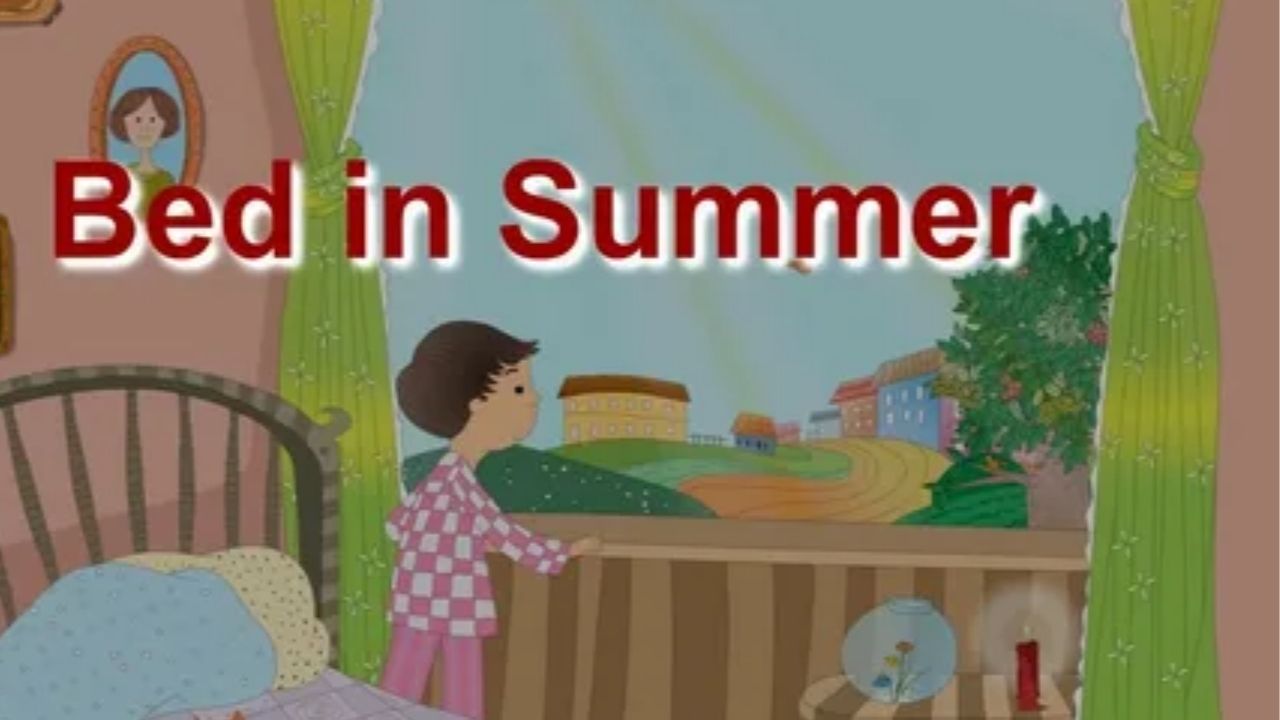
Bed in Summer
By Robert Louis Stevenson
In winter I get up at night
And dress by yellow candle-light.
In summer, quite the other way,
I have to go to bed by day.
I have to go to bed and see
The birds still hopping on the tree,
Or hear the grown-up people’s feet
Still going past me in the street.
And does it not seem hard to you,
When all the sky is clear and blue,
And I should like so much to play,
To have to go to bed by day?
There Was an Old Man with a Beard — Edward Lear
A classic example of Edward Lear’s signature limerick style, this poems about kids delights with its sheer absurdity and visual comedy. The preposterous image it creates sparks laughter and encourages children to imagine and draw the silly scene, celebrating the pure joy of the ridiculous.
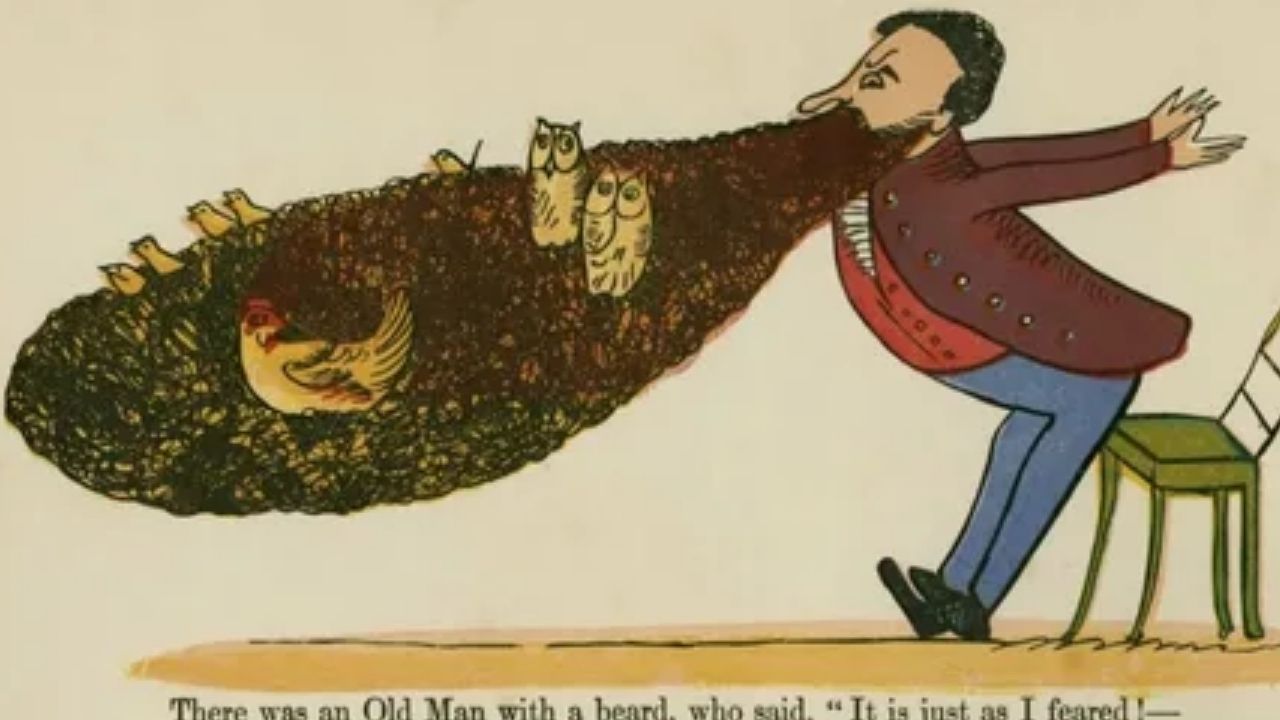
There Was an Old Man with a Beard
By Edward Lear
There was an Old Man with a beard,
Who said, “It is just as I feared!—
Two Owls and a Hen,
Four Larks and a Wren,
Have all built their nests in my beard.”
The Star — Jane Taylor
Perhaps better known by its first line, “Twinkle, twinkle, little star,” this poem is a lullaby and a question posed to the universe. Its gentle curiosity about the nature of a distant star mirrors a child’s wonder about the world, making it a soothing, familiar companion at bedtime.
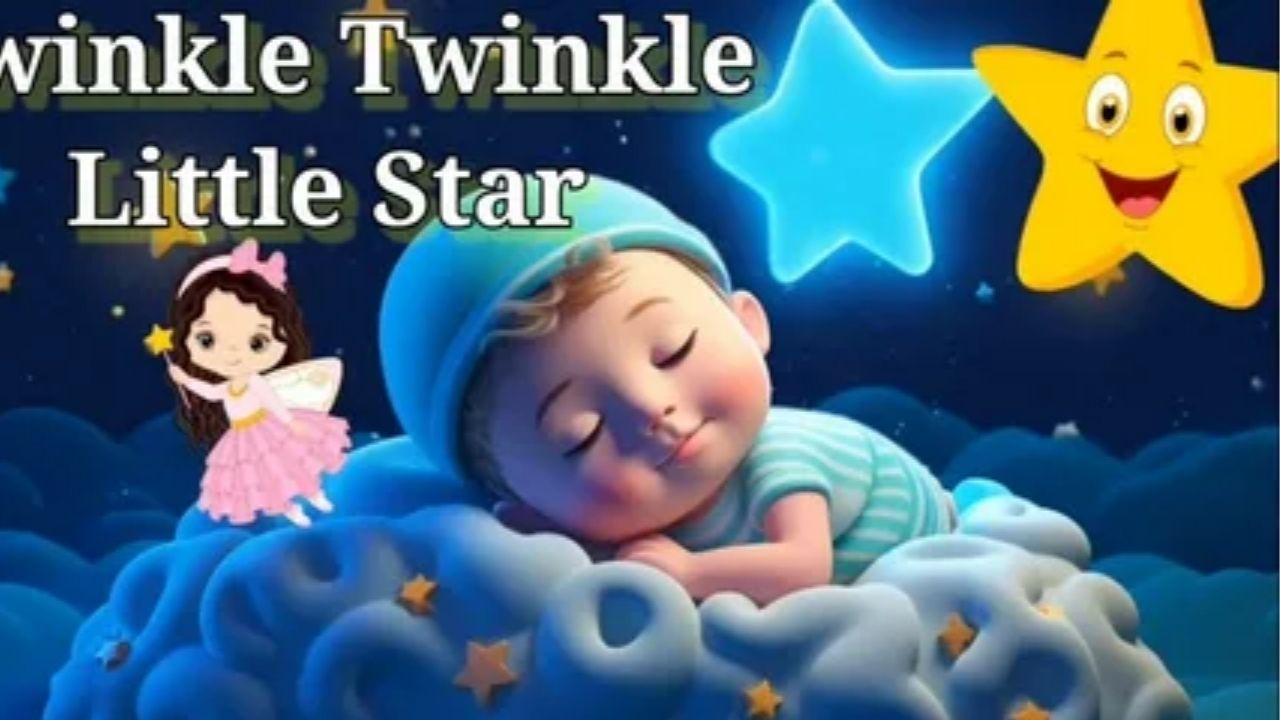
The Star
By Jane Taylor
Twinkle, twinkle, little star,
How I wonder what you are!
Up above the world so high,
Like a diamond in the sky.
When the blazing sun is gone,
When he nothing shines upon,
Then you show your little light,
Twinkle, twinkle, all night.
Then the traveller in the dark,
Thanks you for your tiny spark,
He could not see which way to go,
If you did not twinkle so.
In the dark blue sky you keep,
And often through my curtains peep,
For you never shut your eye,
Till the sun is in the sky.
As your bright and tiny spark,
Lights the traveller in the dark,—
Though I know not what you are,
Twinkle, twinkle, little star.
Star Light, Star Bright — Anonymous
This short, wishful rhyme connects children directly to the night sky, turning an astronomical body into a personal confidant. It’s a ritual in verse, teaching hope, longing, and the human tradition of finding magic in the heavens.
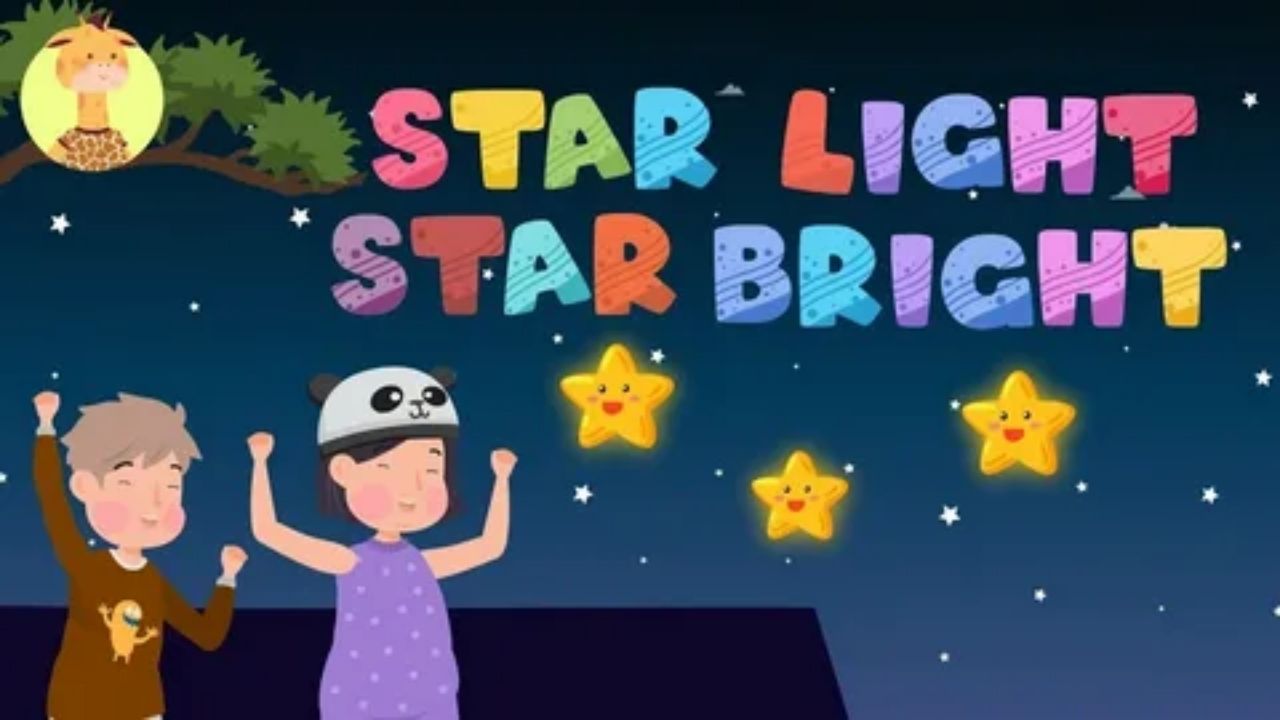
Star Light, Star Bright
Anonymous
Star light, star bright,
First star I see tonight,
I wish I may, I wish I might,
Have the wish I wish tonight.
Mary Had a Little Lamb — Sarah Josepha Hale
Based on a true story, this narrative poems about kids combines gentle humour, steadfast loyalty, and a touch of schoolroom mischief. Its cause-and-effect storyline and memorable rhyme scheme have made it a fundamental piece of American childhood for nearly two centuries.
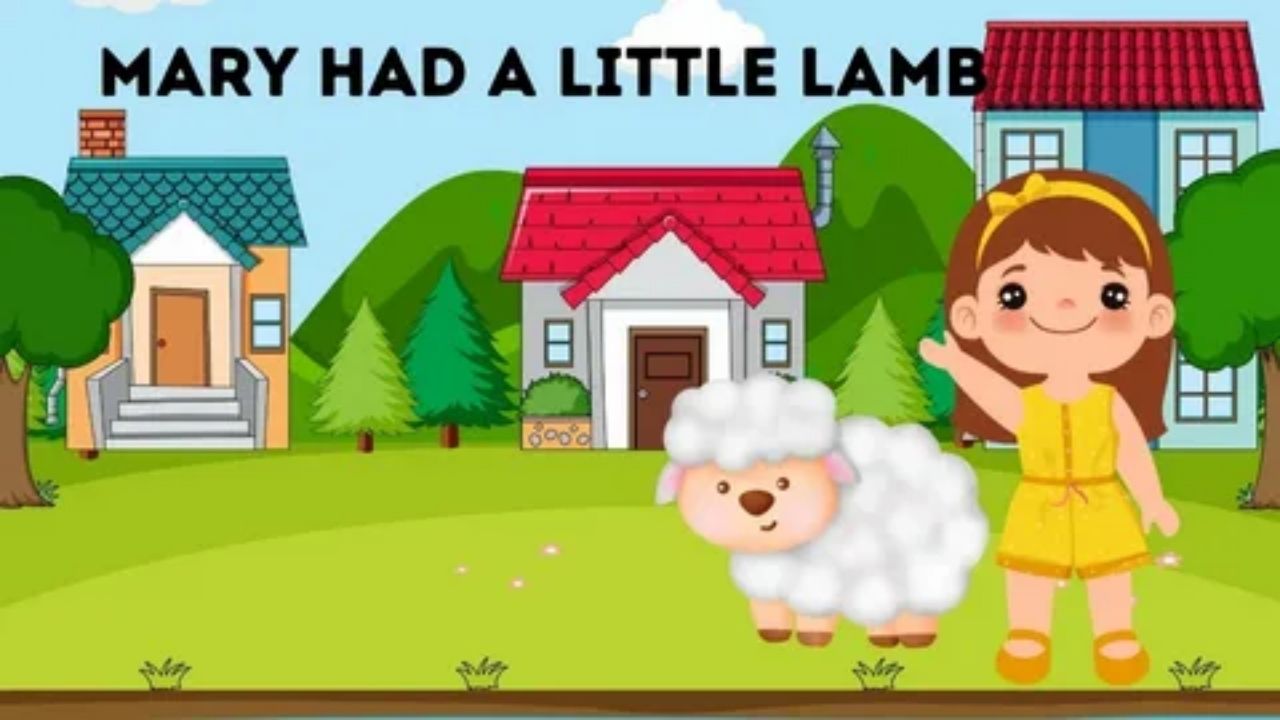
Mary Had a Little Lamb
By Sarah Josepha Hale
Mary had a little lamb,
Its fleece was white as snow;
And everywhere that Mary went,
The lamb was sure to go.
It followed her to school one day,
Which was against the rule;
It made the children laugh and play,
To see a lamb at school.
And so the teacher turned it out,
But still it lingered near,
And waited patiently about,
Till Mary did appear.
“Why does the lamb love Mary so?”
The eager children cry.
“Why, Mary loves the lamb, you know,”
The teacher did reply.
Leap Year Poem — Mother Goose
This playful rhyme codifies the unusual phenomenon of Leap Day into a simple, memorable negotiation. It personifies the day itself, framing it within a child-friendly concept of fairness and rules, making the calendrical oddity both understandable and fun.
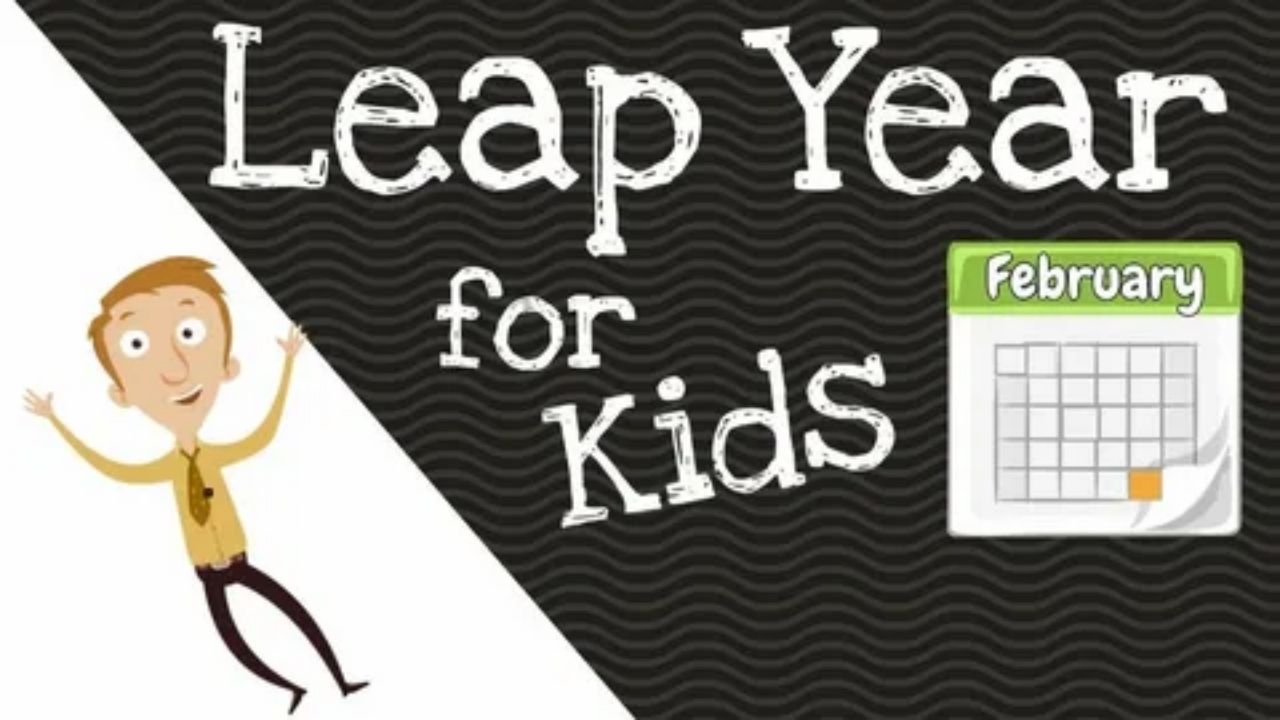
Leap Year Poem
Traditional (Mother Goose)
Thirty days hath September,
April, June, and November;
All the rest have thirty-one,
Save February, alone,
Which has twenty-eight, in fine,
Till leap year gives it twenty-nine.
Who Has Seen the Wind? — Christina Rossetti
Christina Rossetti’s beautiful poems about kids is a lesson in observing the invisible. It answers a child’s logical question about the wind not by explaining science, but by pointing to its effects in the natural world. It cultivates a poetic, evidence-based way of seeing and understanding.
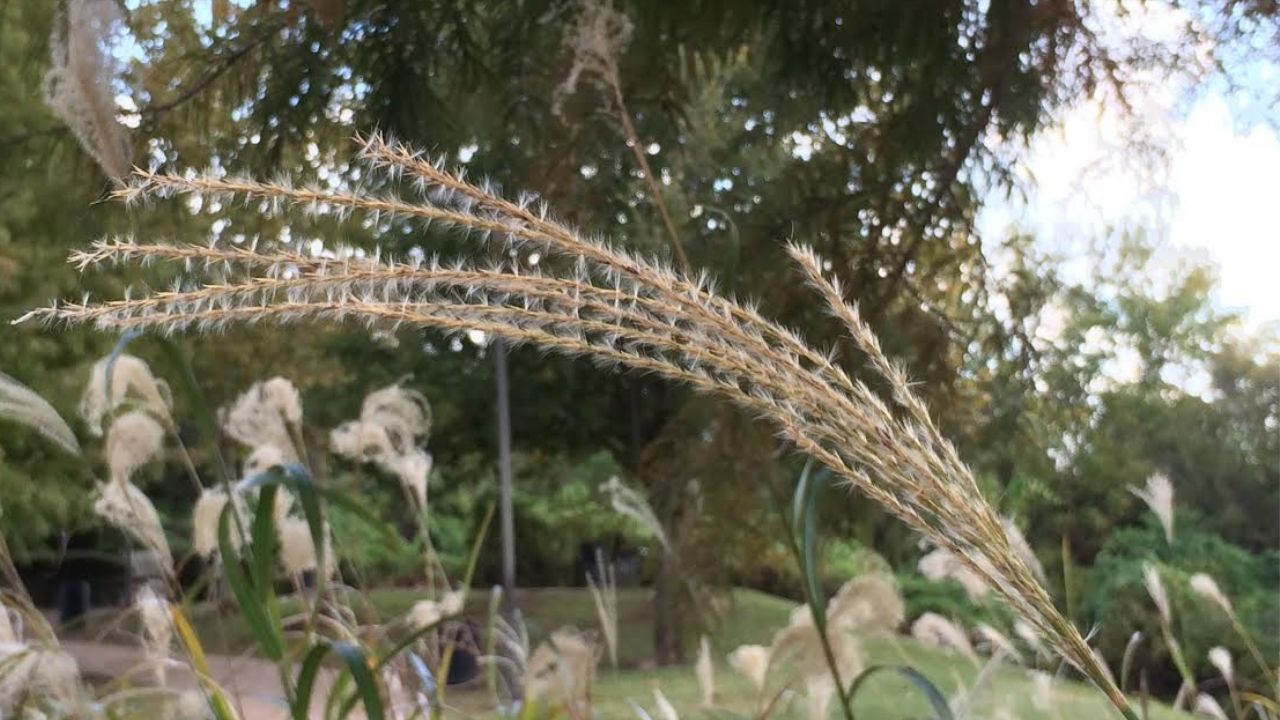
Who Has Seen the Wind?
By Christina Rossetti
Who has seen the wind?
Neither I nor you:
But when the leaves hang trembling,
The wind is passing through.
Who has seen the wind?
Neither you nor I:
But when the trees bow down their heads,
The wind is passing by.
In Fashion — A. A. Milne
From the world of Winnie-the-Pooh, A.A. Milne had a perfect ear for the cadence of a child’s thought. These poems about kids , likely from When We Were Very Young, captures a moment of imitation and play, reflecting how children learn and experiment with identity through the adults around them.
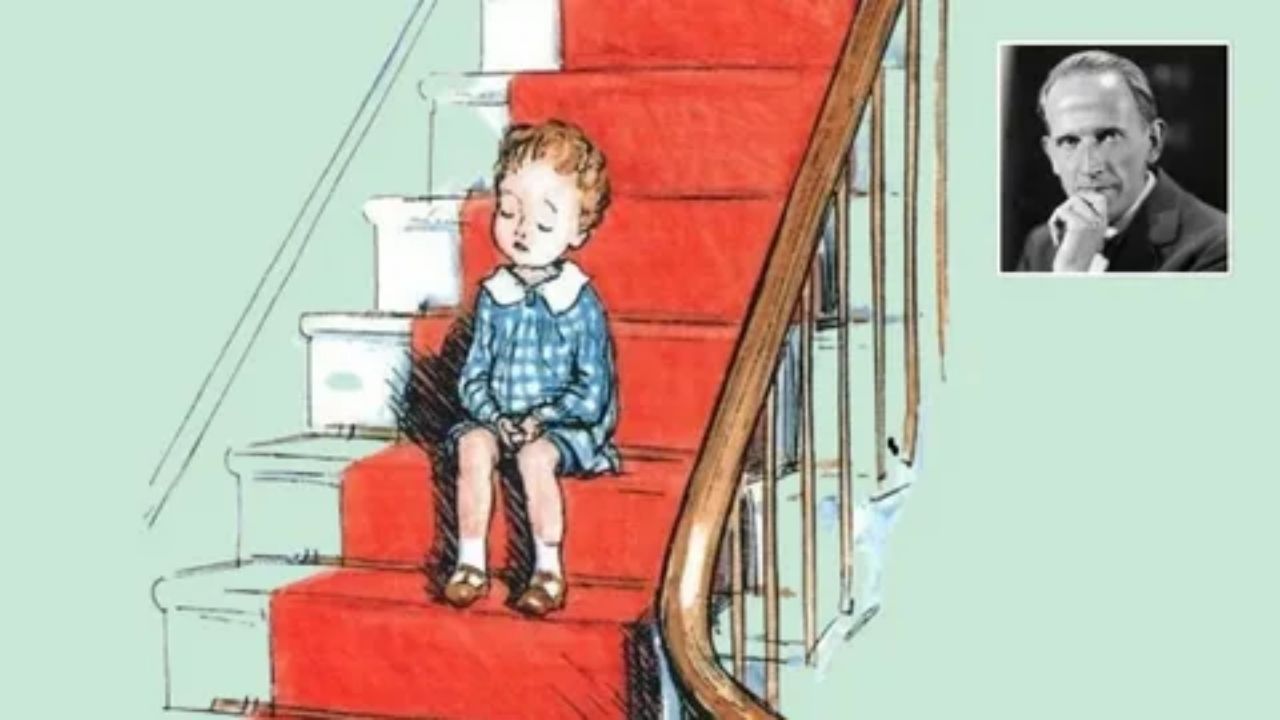
In the Fashion
By A. A. Milne
A lion has a tail and a very fine tail,
And so has an elephant, and so has a whale,
And so has a crocodile, and so has a quail
They’ve all got tails but me.
If I had sixpence I would buy one;
I’d say to the shopman, “Let me try one”;
I’d say to the elephant, “This is my one.”
They’d all come round to see.
Then I’d say to the lion, “Why, you’ve got a tail!
And so has the elephant, and so has the whale!
And, look! There’s a crocodile! He’s got a tail!
You’ve all got tails like me!”
The Mulberry Bush — Traditional
These poems about kids are intrinsically linked to the circle game that accompanies it, integrating movement with verse. It outlines a child’s days of the week in a rhythmic, repetitive structure that is both educational and celebratory of the routines of play and life.
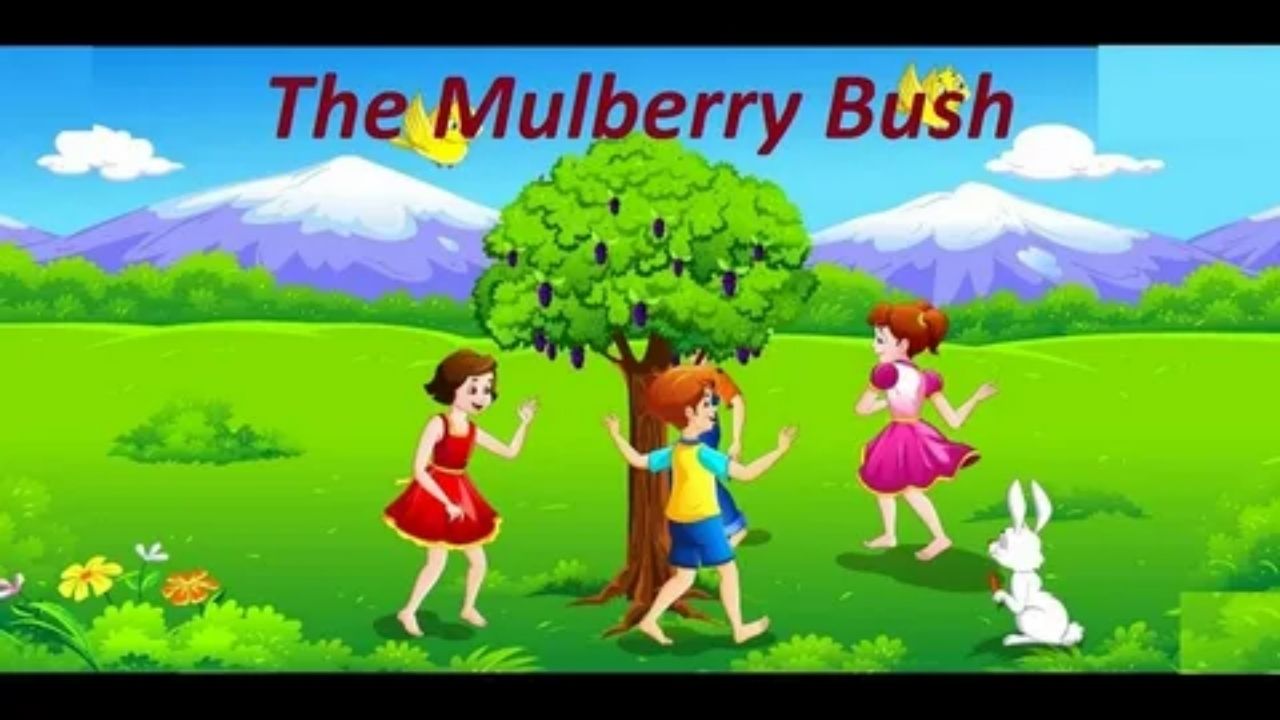
The Mulberry Bush
Traditional
Here we go round the mulberry bush,
The mulberry bush, the mulberry bush.
Here we go round the mulberry bush
On a cold and frosty morning.
This is the way we wash our clothes,
Wash our clothes, wash our clothes.
This is the way we wash our clothes
On a cold and frosty morning.
(Verses continue for other daily activities)
Little Things — Julia Abigail Fletcher Carney
This moral verse teaches the profound power of small, incremental actions and words. Its message that habits and character are built from tiny, repeated moments is delivered in a gentle, persuasive rhyme that has made it a staple for teaching kindness and responsibility.
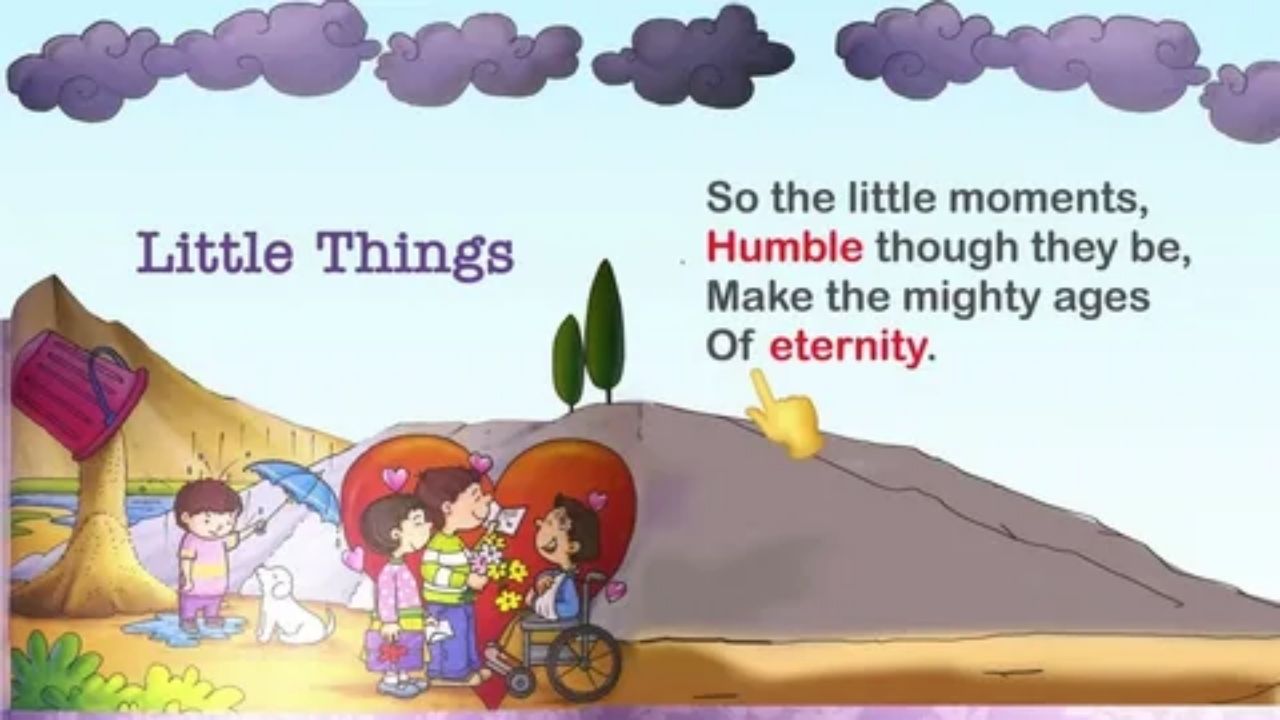
Little Things
By Julia Abigail Fletcher Carney
Little drops of water,
Little grains of sand,
Make the mighty ocean
And the pleasant land.
So the little moments,
Humble though they be,
Make the mighty ages
Of eternity.
So our little errors
Lead the soul away
From the path of virtue,
Off in sin to stray.
Little deeds of kindness,
Little words of love,
Make our earth an Eden,
Like the heaven above.
At the Zoo — William Makepeace Thackeray
Thackeray’s poem guides a child on a tour of the zoo, not with dry facts, but with charming, personified descriptions of each animal’s apparent personality or habits. It models a way of looking at animals with empathy and imaginative humor.
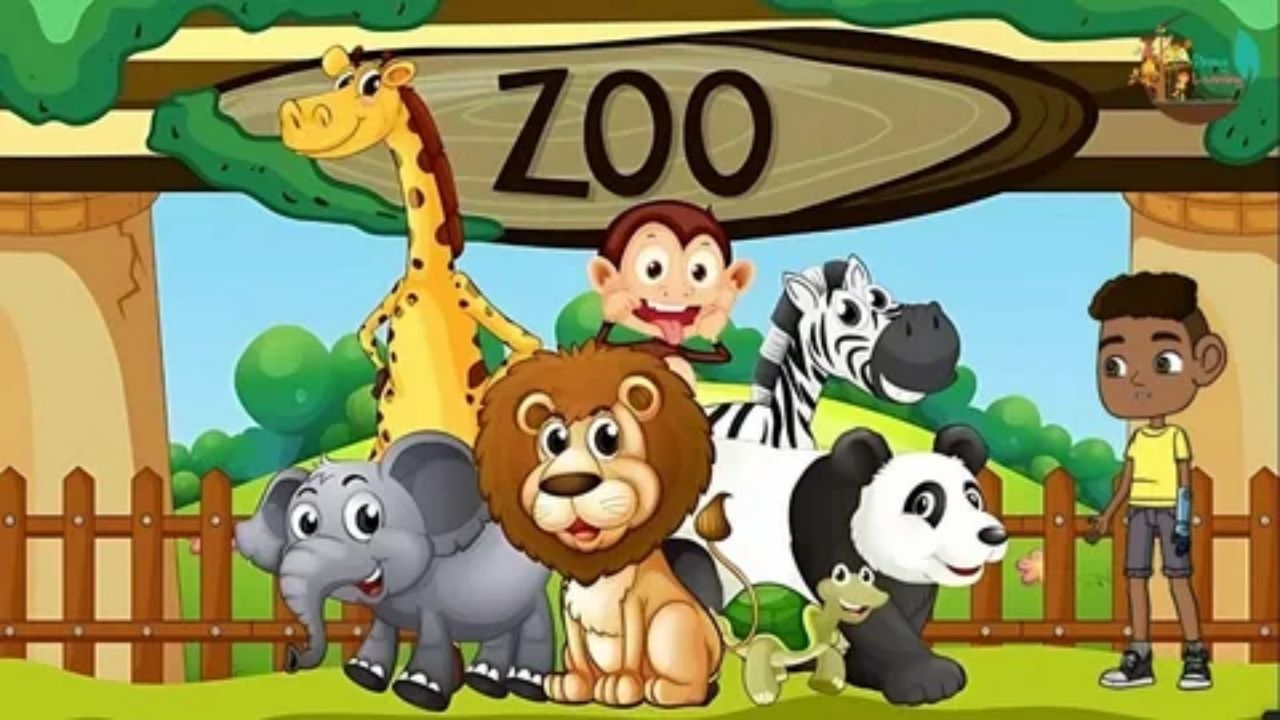
At the Zoo
By William Makepeace Thackeray
The Boy Who Never Told a Lie — Traditional
This brief, straightforward poem presents an idealized model of behaviour in a simple, almost stark way. It serves as a clear, memorable benchmark for truthfulness, its very simplicity making the virtue it promotes easy for a child to grasp and remember.
The Boy Who Never Told a Lie
Traditional
Once there was a little boy,
With curly hair and pleasant eye
A boy who always told the truth,
And never, never told a lie.
And when he trotted off to school,
The children all about would cry,
“There goes the curly-headed boy
The boy that never tells a lie.”
The Canary — Elizabeth Turner
To hearts that love truly. From the early 19th century, this poem tells a simple, gentle story with a clear moral about kindness to animals. Its narrative arc and the emotional consequence of the action make the lesson impactful without being overly stern or preachy.
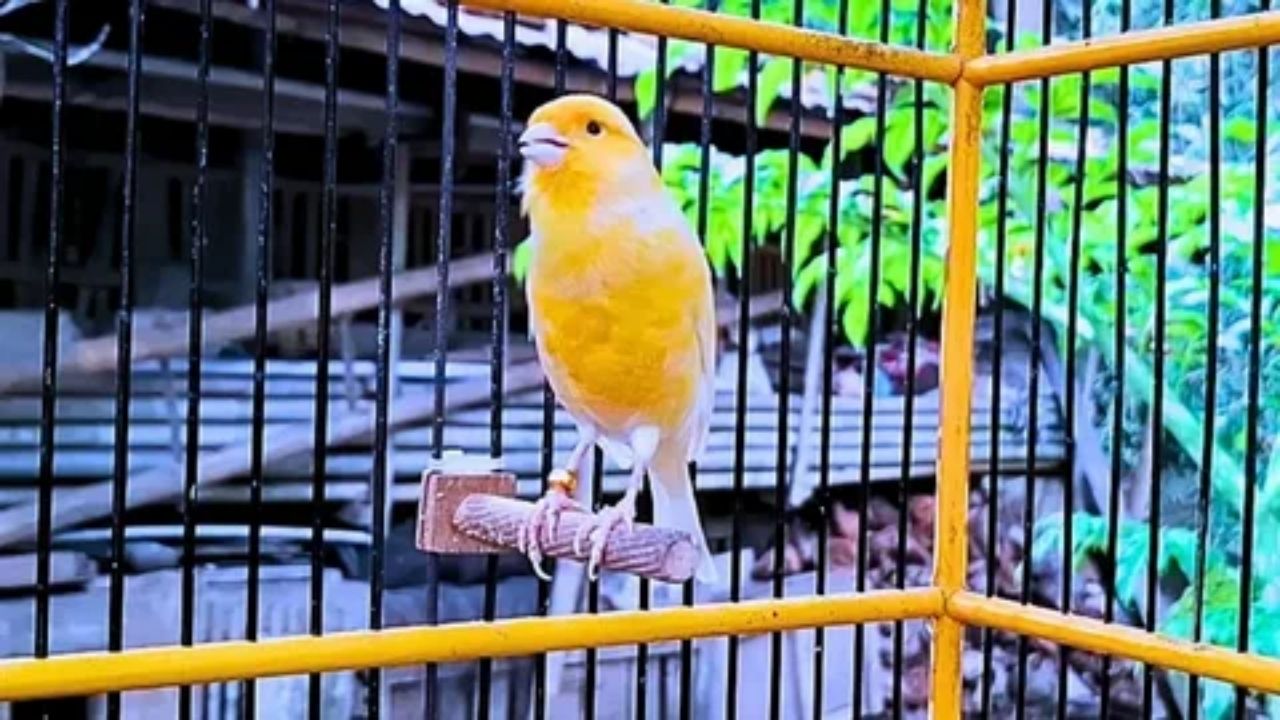
The Canary
By Elizabeth Turner
Mary had a little bird,
With feathers bright and yellow,
Slender legs—upon my word,
He was a pretty fellow!
Sweetest notes he always sung,
Which much delighted Mary;
Often where his cage was hung,
She sat to hear Canary.
Crumbs of bread and dainty seeds
She carried to him daily,
Seeking for the early weeds,
She decked his palace gaily.
This, my little readers, learn,
And ever practice duly;
Songs and love of love return
Happy Thoughts — Robert Louis Stevenson
Another gem from A Child’s Garden of Verses, these poems about kids is a catalogue of contentment. It lists simple, universal pleasures of a child’s world, teaching gratitude and mindfulness by noticing the joy in everyday things like ships, trees, and a book.
Happy Thoughts
By Robert Louis Stevenson
The world is so full of a number of things,
I’m sure we should all be as happy as kings.
Deeds of Kindness — Epes Sargent
These poems about kids are advocates for proactive compassion. It suggests that the performance of kind acts is not just a duty but a source of personal joy and spiritual fulfilment, a message delivered in an uplifting, affirmative tone.
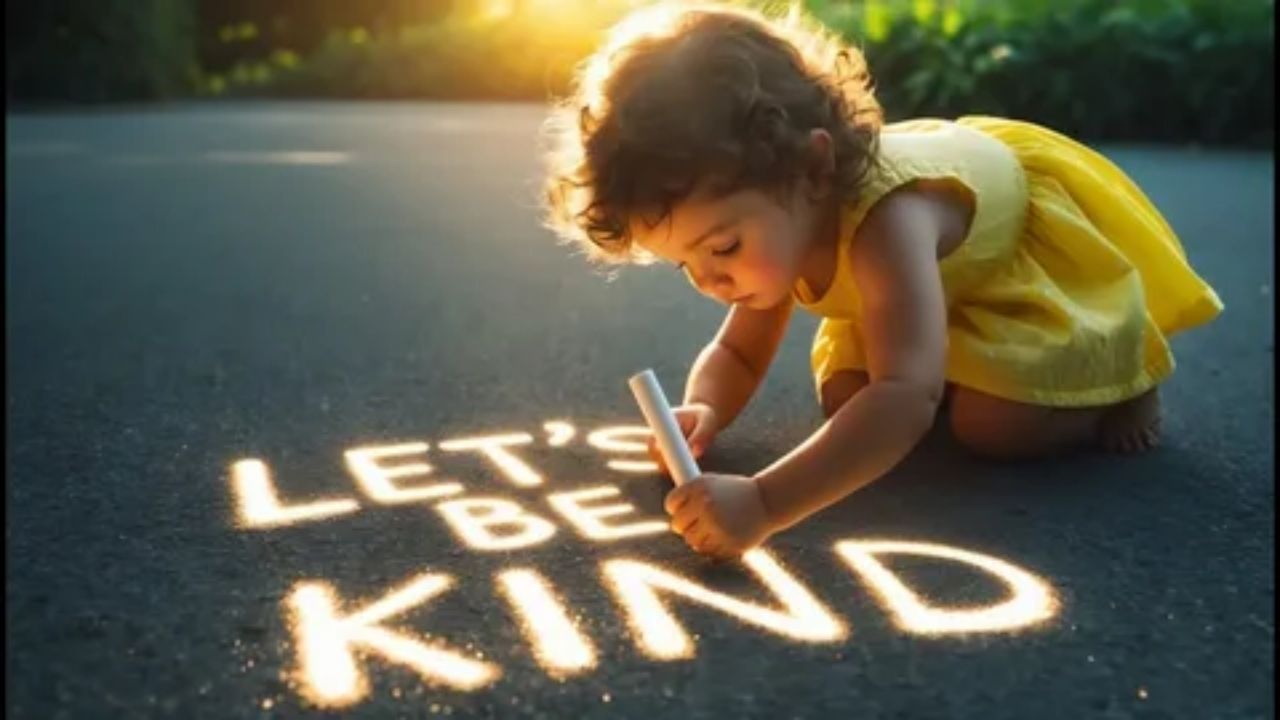
Deeds of Kindness
By Epes Sargent
Suppose the little Cowslip
Should hang its golden cup
And say, “I’m such a little flower
I’d better not grow up!”
How many a weary traveller
Would miss its fragrant smell,
How many a little child would grieve
To lose it from the dell!
Suppose the glistening Dewdrop
Upon the grass should say,
“What can a little dewdrop do?
I’d better roll away!”
The blade on which it rested,
Before the day was done,
Without a drop to moisten it,
Would wither in the sun.
‘Hope’ Is the Thing with Feathers — Emily Dickinson
While not written exclusively for children, Dickinson’s famous metaphor is accessible and powerful for older kids. It defines the abstract concept of hope as a resilient, enduring bird that lives within us, offering a beautiful, tangible image for an essential emotional experience.
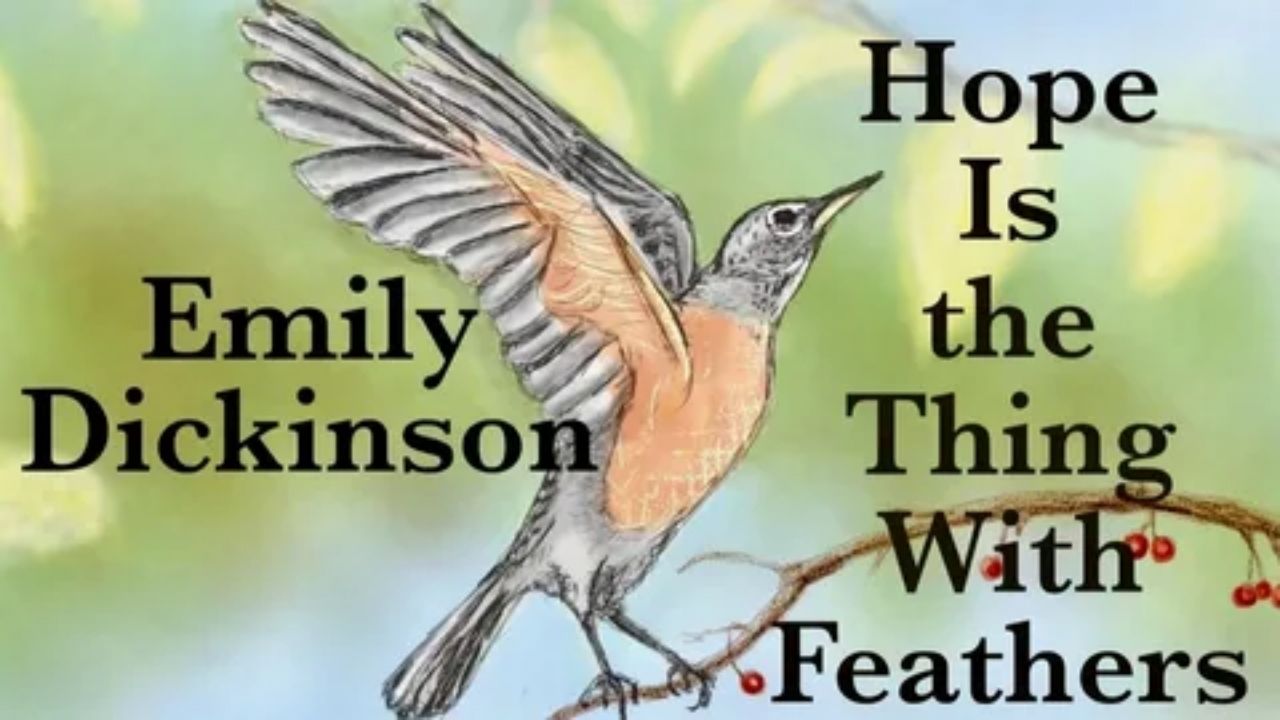
‘Hope’ Is the Thing with Feathers
By Emily Dickinson
“Hope” is the thing with feathers
That perches in the soul
And sings the tune without the words
And never stops at all
And sweetest – in the Gale – is heard –
And sore must be the storm –
That could abash the little Bird
That kept so many warm –
I’ve heard it in the chillest land –
And on the strangest Sea –
Yet – never – in Extremity,
It asked a crumb – of me.
Mix a Pancake — Christina Rossetti
This is a poem of action. Its short, imperative lines mimic the instructions of a recipe and the brisk motions of cooking. It celebrates the domestic, the making of something simple and good, and the pleasure of a task completed.
Mix a Pancake
By Christina Rossetti
Mix a pancake,
Stir a pancake,
Pop it in the pan;
Fry the pancake,
Toss the pancake,
Catch it if you can.
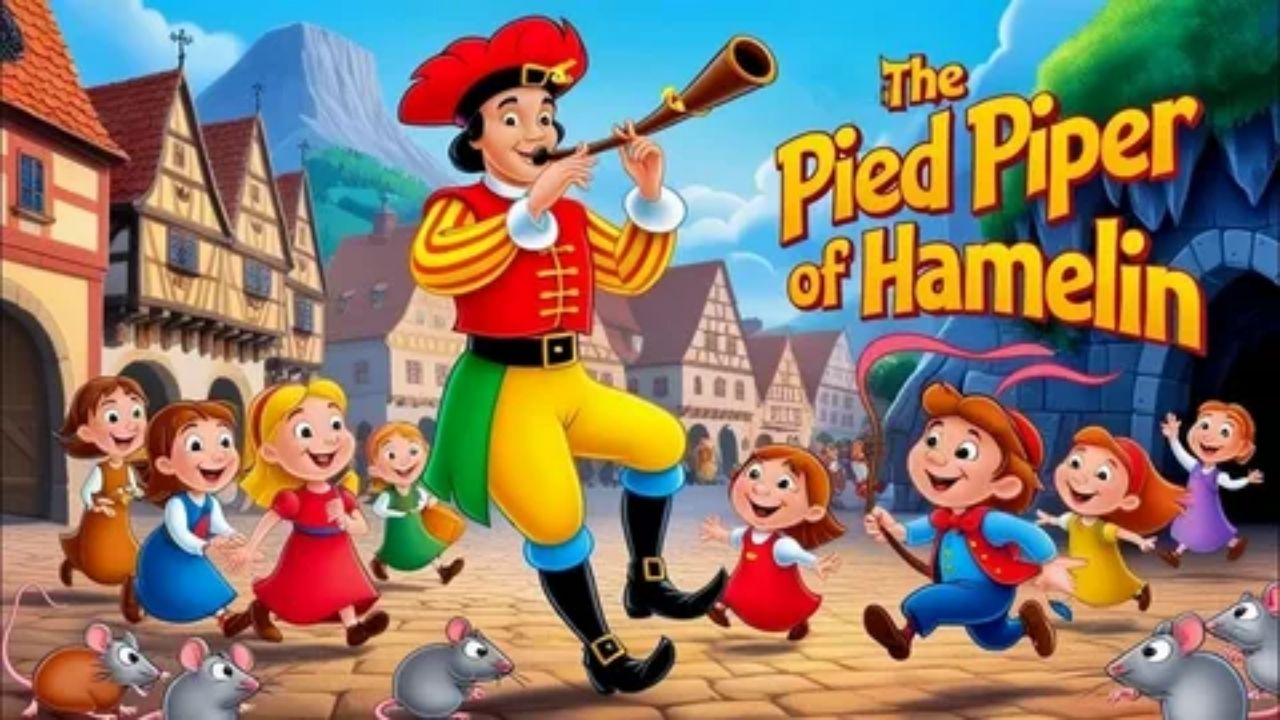
The Pied Piper of Hamelin — Robert Browning
A masterful narrative poem, this is a longer tale of broken promises and magical consequences. Its driving rhythm, clear characters (from the deceitful mayor to the mysterious piper), and ultimately chilling morals have captivated children who are ready for more complex storytelling.
The Pied Piper of Hamelin
By Robert Browning
Hamelin Town’s in Brunswick,
By famous Hanover city;
The river Weser, deep and wide,
Washes its wall on the southern side;
A pleasanter spot you never spied;
But, when begins my ditty,
Almost five hundred years ago,
To see the townsfolk suffer so
From vermin, it was a pity.
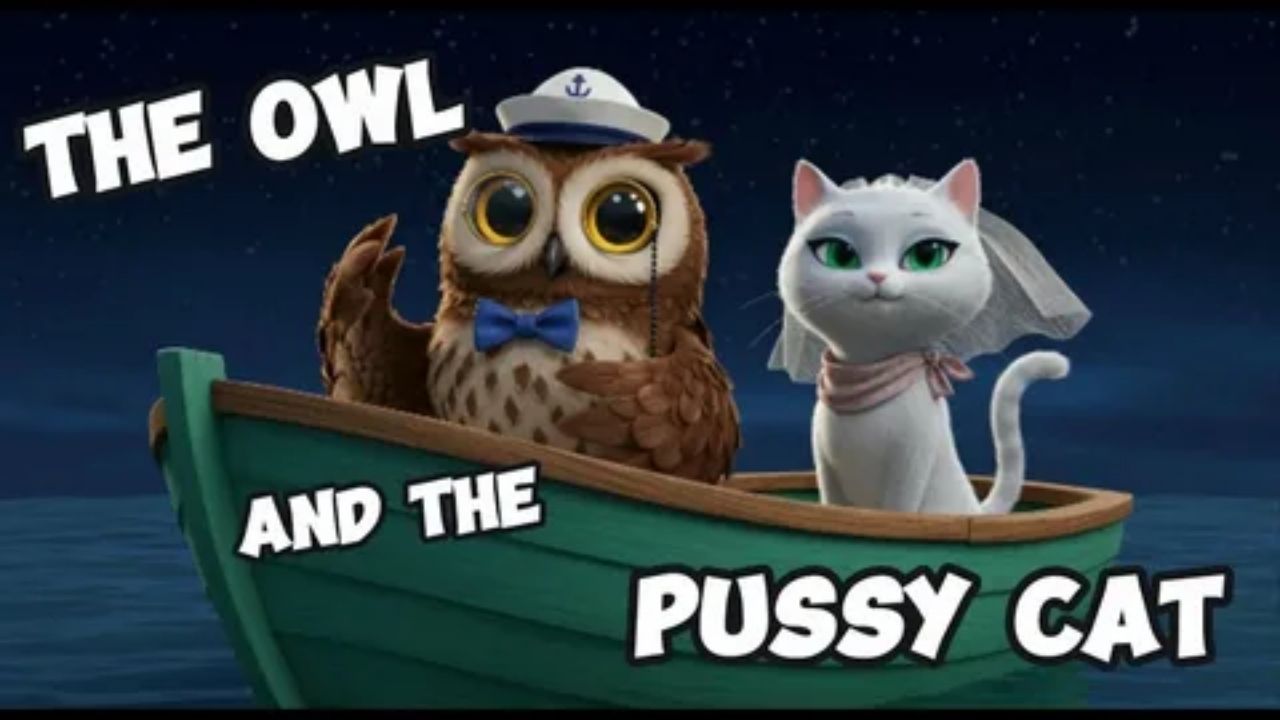
The Owl and the Pussy Cat — Edward Lear
The pinnacle of nonsense poetry, this is a joyous tale of an unlikely couple’s seafaring adventure and marriage. Its surreal logic, invented words (“runcible spoon”), and celebratory tone create a complete, delightful world of pure fancy that children adore.
The Owl and the Pussy-Cat
By Edward Lear
The Owl and the Pussy-cat went to sea
In a beautiful pea-green boat,
They took some honey, and plenty of money,
Wrapped up in a five-pound note.
The Owl looked up to the stars above,
And sang to a small guitar,
“O lovely Pussy! O Pussy, my love,
What a beautiful Pussy you are,
You are,
You are!
What a beautiful Pussy you are!”
A crisp, clear rhyme that turns wise advice into a catchy, memorable saying. It connects physical health (early rising) with moral and mental fortitude (being healthy, wealthy, and wise) in a way that is easy for a child to internalize.
Early to Bed
By Mary Mapes Dodge
Early to bed and early to rise,
Makes a man healthy, wealthy, and wise.
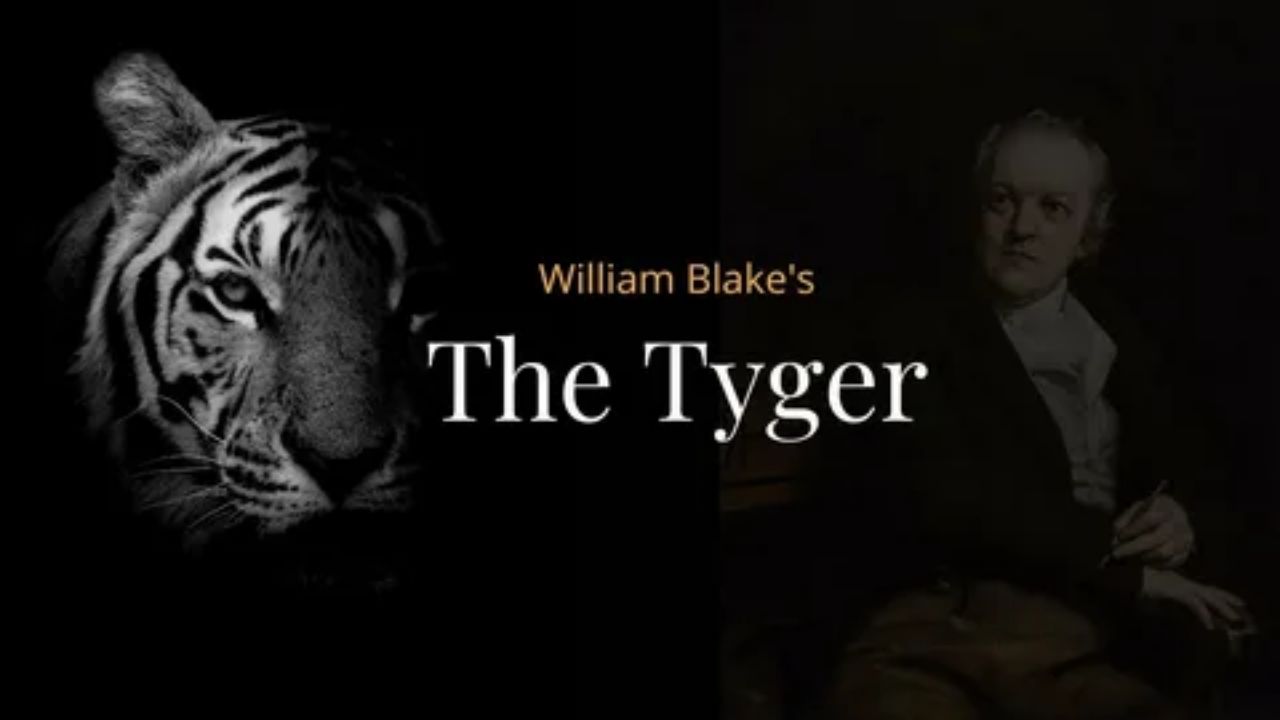
The Tyger — William Blake
From Songs of Experience, Blake’s awe-inspiring poem asks fundamental questions about creation, beauty, and fear. Its pounding rhythm and powerful imagery (“burning bright,” “fearful symmetry”) evoke a sense of sublime wonder that can stir an older child’s imagination and philosophical curiosity.
The Tyger
By William Blake
Tyger Tyger, burning bright,
In the forests of the night;
What immortal hand or eye,
Could they frame their fearful symmetry?
In what distant deeps or skies.
Burnt the fire of thine eyes?
On what wings dare he aspire?
What the hand, dare seize the fire?
And what shoulder, & what art,
Could twist the sinews of thy heart?
And when thy heart began to beat,
What dread hand? & what dread feet?
What the hammer? what the chain,
In what furnace was thy brain?
What the anvil? what dread grasp,
Dare its deadly terrors clasp!
When the stars threw down their spears
And water’d heaven with their tears:
Did he smile at his work to see?
Did he who made the Lamb make thee?
Tyger Tyger burning bright,
In the forests of the night:
What immortal hand or eye,
Dare frame thy fearful symmetry?
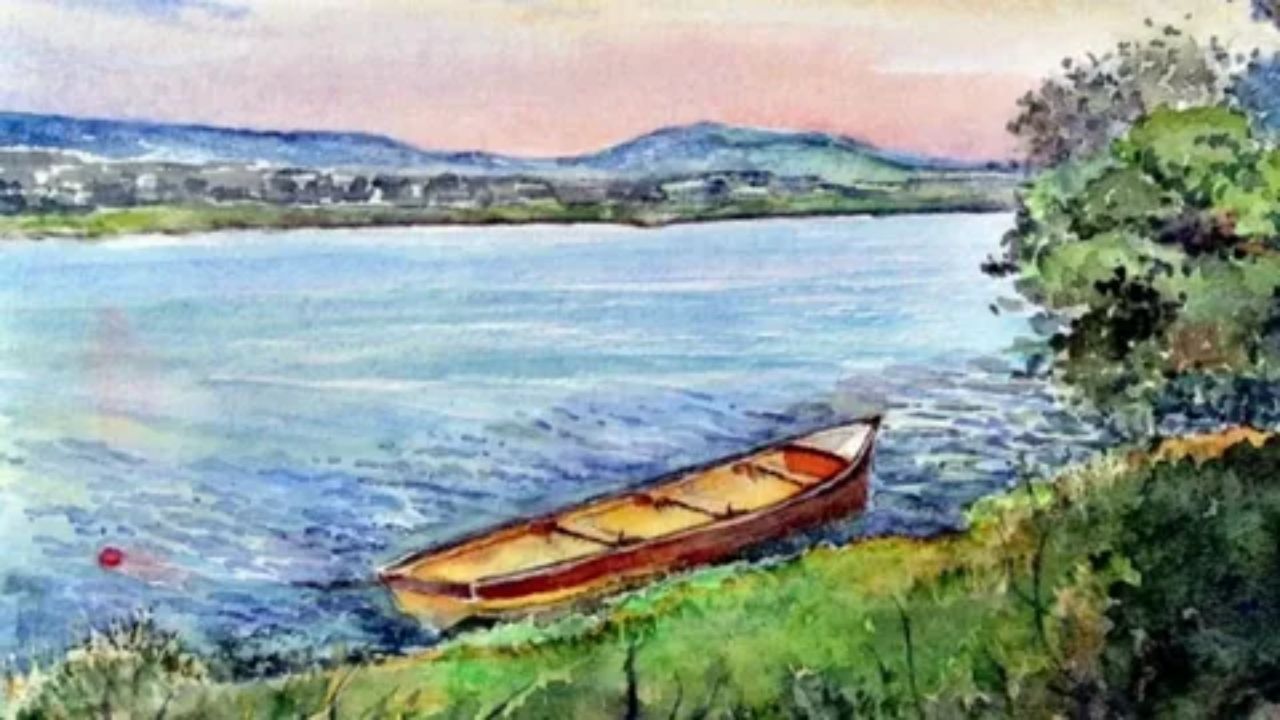
The Lake Isle of Innisfree — W. B. Yeats
Yeats’s longing for a simple, peaceful retreat resonates with the child’s desire for a secret, tranquil place of their own. Its hypnotic rhythm and vivid sensory details (“lake water lapping”) create a powerful daydream, teaching the beauty of nature and introspection.
The Lake Isle of Innisfree
By W. B. Yeats
I will arise and go now, and go to Innisfree,
And a small cabin built there, of clay and wattles made:
Nine bean-rows will I have there, a hive for the honey-bee,
And live alone in the bee-loud glade.
And I shall have some peace there, for peace comes dropping slow,
Dropping from the veils of the morning to where the cricket sings;
There midnight’s all a glimmer, and noon a purple glow,
An evening full of the linnet’s wings.
I will arise and go now, for always night and day
I hear lake water lapping with low sounds by the shore;
While I stand on the roadway, or on the pavements grey,
I hear it in the deep heart’s core.
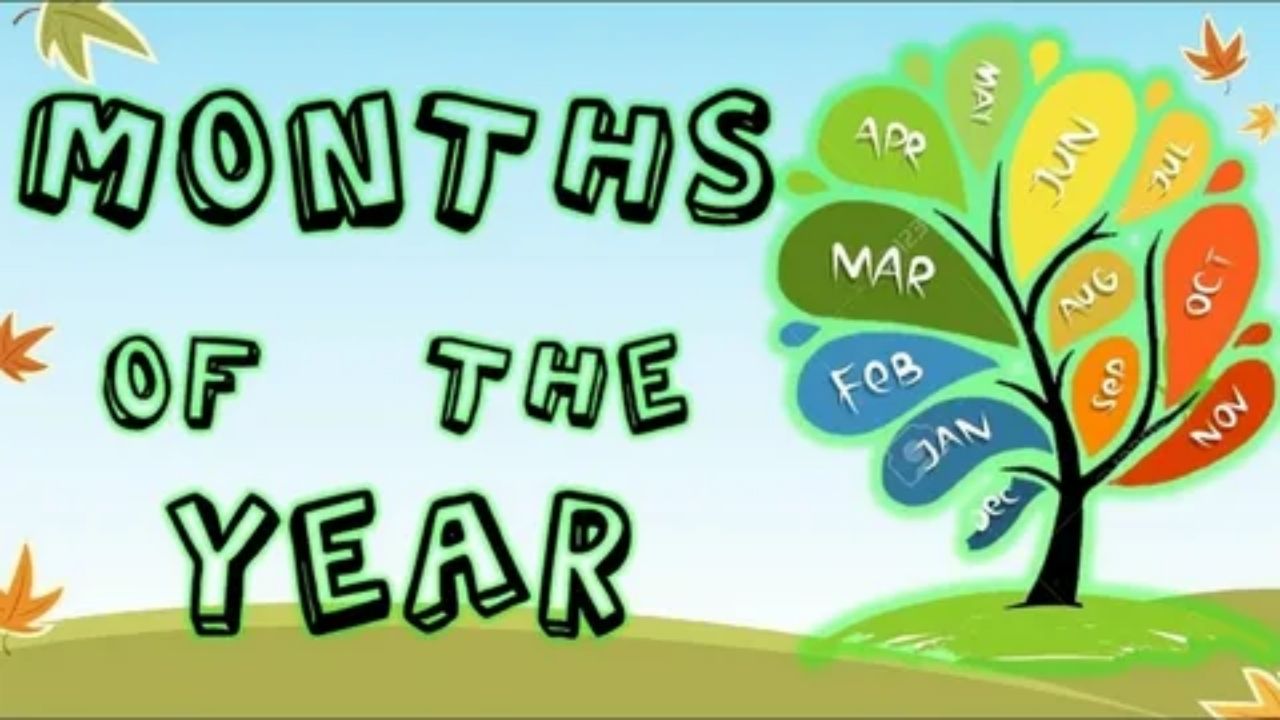
The Months — Sara Coleridge
A classic mnemonic poem that charmingly attributes character to each month. It teaches the calendar through evocative imagery and personification, making the passage of time feel like a colorful parade of changing scenes and weather.
The Months
By Sara Coleridge
January brings the snow,
Makes our feet and fingers glow.
February brings the rain,
Thaws the frozen lake again.
March brings breezes, loud and shrill,
To stir the dancing daffodil.
April brings the primrose sweet,
Scatters daisies at our feet.
May brings flocks of pretty lambs
Skipping by their fleecy dams.
June brings tulips, lilies, roses,
Fills the children’s hands with posies.
Hot July brings cooling showers,
Apricots, and gillyflowers.
August brings the sheaves of corn,
Then the harvest home is borne.
Warm September brings the fruit;
Sportsmen then begin to shoot.
Fresh October brings the pheasant;
Then to gather nuts is pleasant.
Dull November brings the blast;
Then the leaves are whirling fast.
Chill December brings the sleet,
Blazing fire, and Christmas treat.
Answer to a Child’s Question — Samuel Taylor Coleridge
This poem directly addresses a child’s inquiry about why we love, answering not with logic, but with a list of sensory and emotional delights associated with a loved one. It’s a beautiful affirmation of affection, equating love with the joy found in simple, shared presence.
Answer to a Child’s Question
By Samuel Taylor Coleridge
If All the World Were Apple Pie — Mother Goose
A delicious flight of fancy, this rhyme explores a hypothetical, delightful world. It encourages boundless imagination and the fun of “what if,” celebrating a child’s ability to transform reality through thought alone.
If All the World Were Apple Pie
Traditional (Mother Goose)
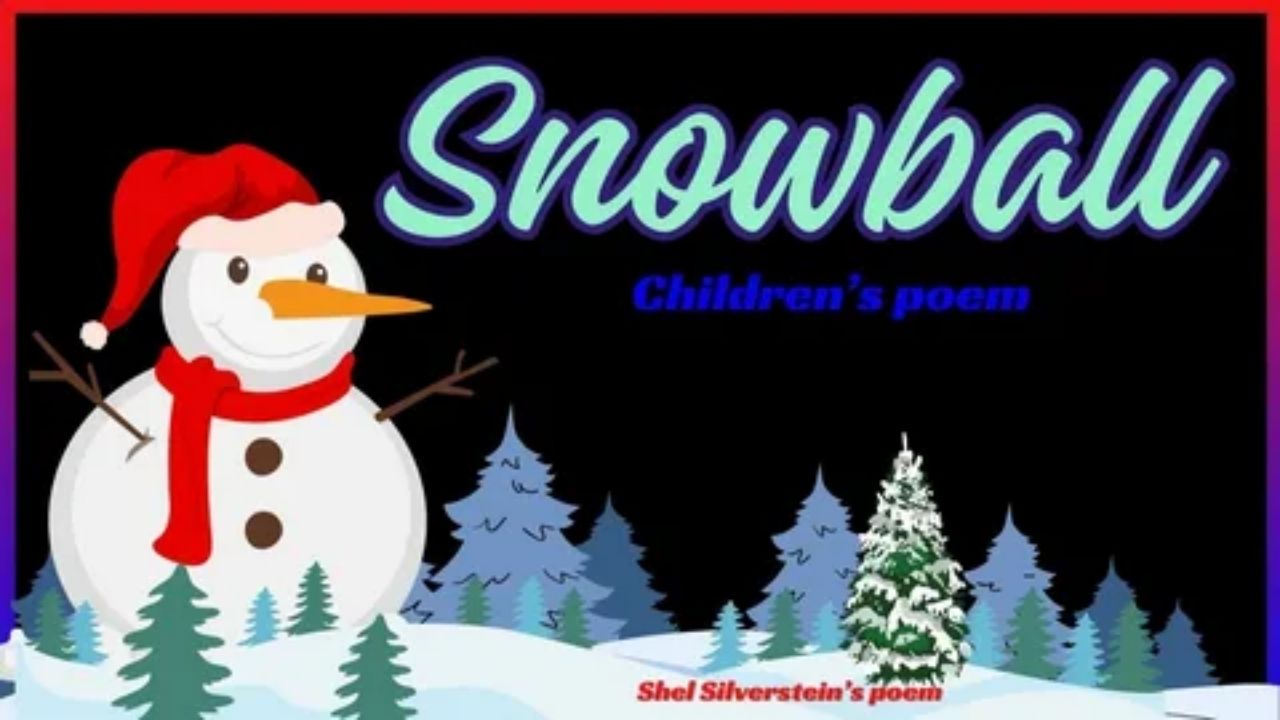
Snowball — Shel Silverstein
From the modern master of children’s poetry, this short, tragicomic tale of a snowball’s fate is quintessential Silverstein: clever, slightly subversive, and perfectly attuned to a child’s sense of humor and understanding of cause-and-effect.
Snowball
By Shel Silverstein
I made myself a snowball
As perfect as could be.
I thought I’d keep it as a pet
And let it sleep with me.
I made it some pajamas
And a pillow for its head.
Then last night it ran away,
But first—it wet the bed.
I’m a Little Teapot — George Harold Sanders
More than a poem, this is an action rhyme that has become a cultural staple. It allows a child to physically become the object described, teaching coordination, pretend play, and memorization through movement and song.
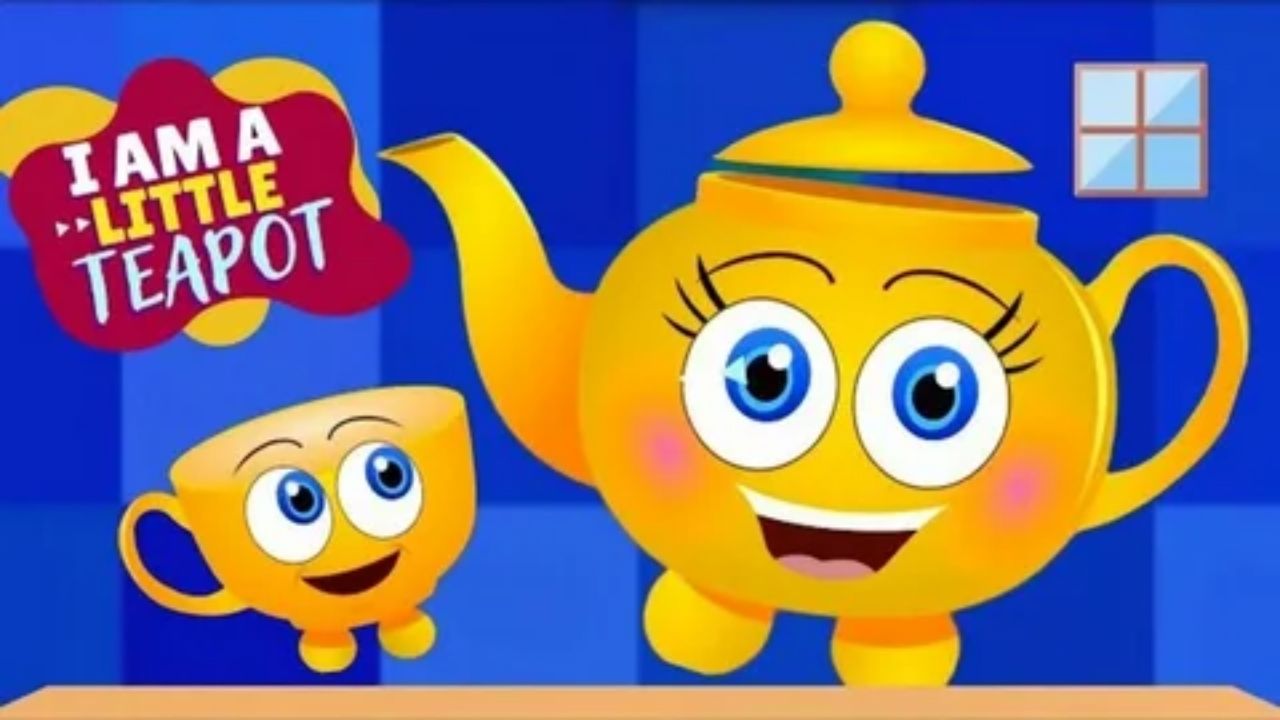
I’m a Little Teapot
By George Harold Sanders
I’m a little teapot
Short and stout
Here is my handle (one hand on hip)
Here is my spout (other arm out straight)
When I get all steamed up
Hear me shout
“Tip me over
and pour me out!” (lean over toward spout)
Eletelephony — Laura Elizabeth Richards
A tongue-twisting romp about an elephant trying to use a telephone, this poem is pure verbal fun. It celebrates the silly sounds of words and the joy of getting tangled up in them, making language itself the playground.
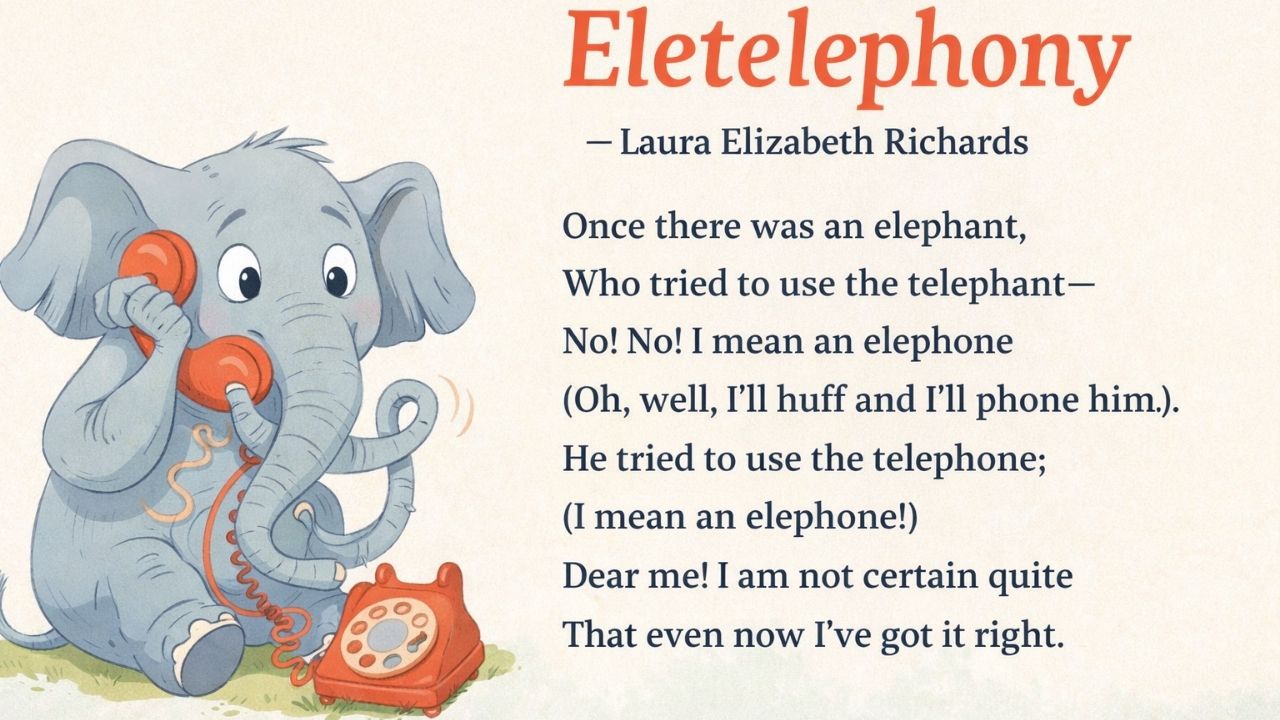
Eletelephony
By Laura Elizabeth Richards
Once there was an elephant,
Who tried to use the elephant
No! No! I mean an telephone
Who tried to use the telephone
(Dear me! I am not certain quite
Even now I’ve got it right.)
Howe’er it was, he got his trunk
Entangled in the telephunk;
The more he tried to get it free,
The louder buzzed the telephone
(I fear I’d better drop the song
Of telephone and telephony!)
Now We Are Six — A. A. Milne
The title poem from Milne’s collection, this piece captures the proud, self-aware satisfaction of a child reaching a new age. It reflects on the perceived simplicity of earlier years from the newfound sophistication of being six, a feeling every child recognizes.
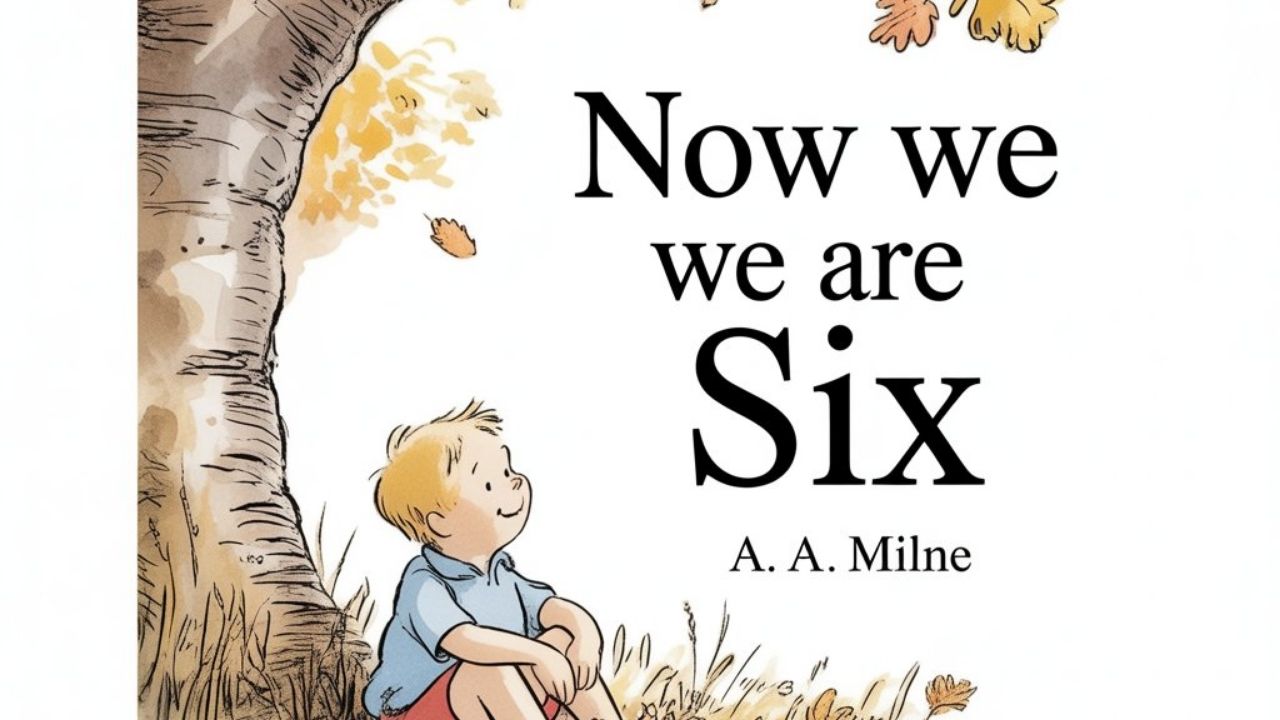
Now We Are Six
By A. A. Milne
When I was One,
I had just begun.
When I was Two,
I was nearly new.
When I was Three,
I was hardly Me.
When I was Four,
I was not much more.
When I was Five,
I was just alive.
But now I am Six, I’m as clever as clever.
So I think I’ll be six now for ever and ever.
A Million Little Diamonds — Mary Frances Butts
This poem trains a child’s eye to see magic in the ordinary in this case, frost on a tree. The transformation of frozen dew into “diamonds” and “ermine” fosters a sense of wonder and poetic observation of the natural world.
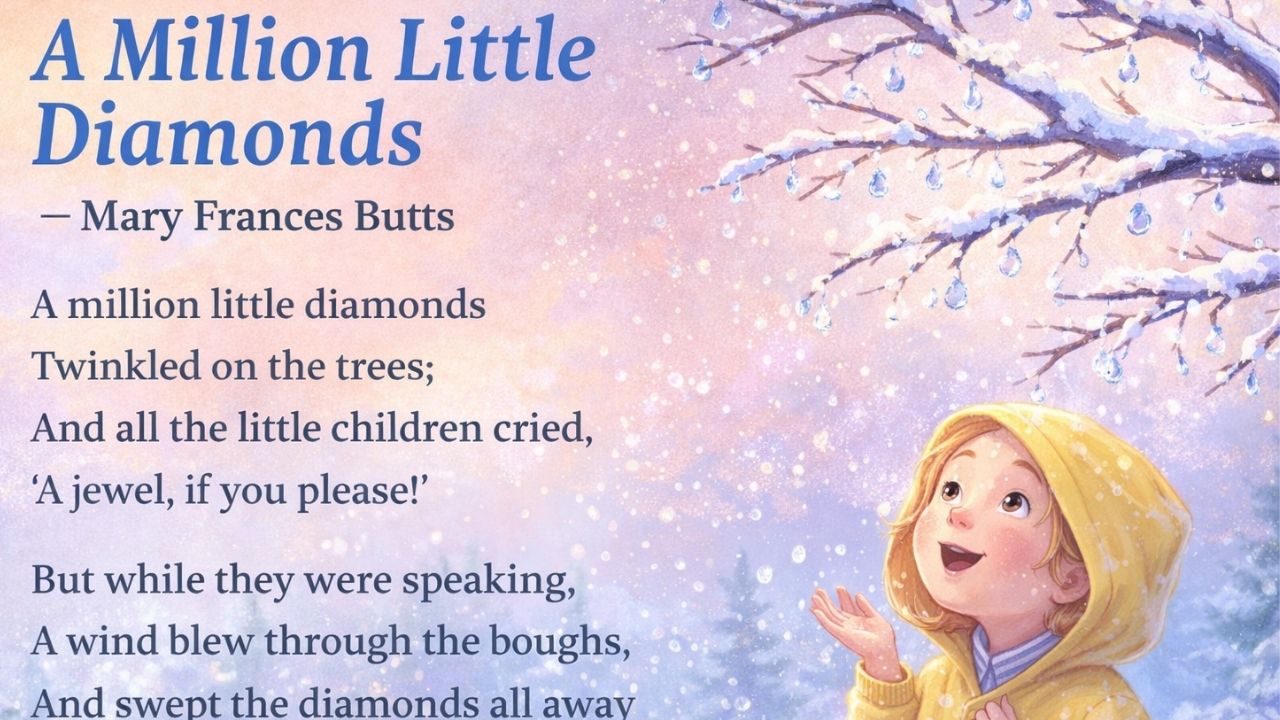
A Million Little Diamonds
By Mary Frances Butts
A million little diamonds
Twinkled on the trees;
And all the little maidens said,
“A jewel, if you please!”
But while they held their hands outstretched
To catch the diamonds gay,
A million little sunbeams came
And stole them all away.
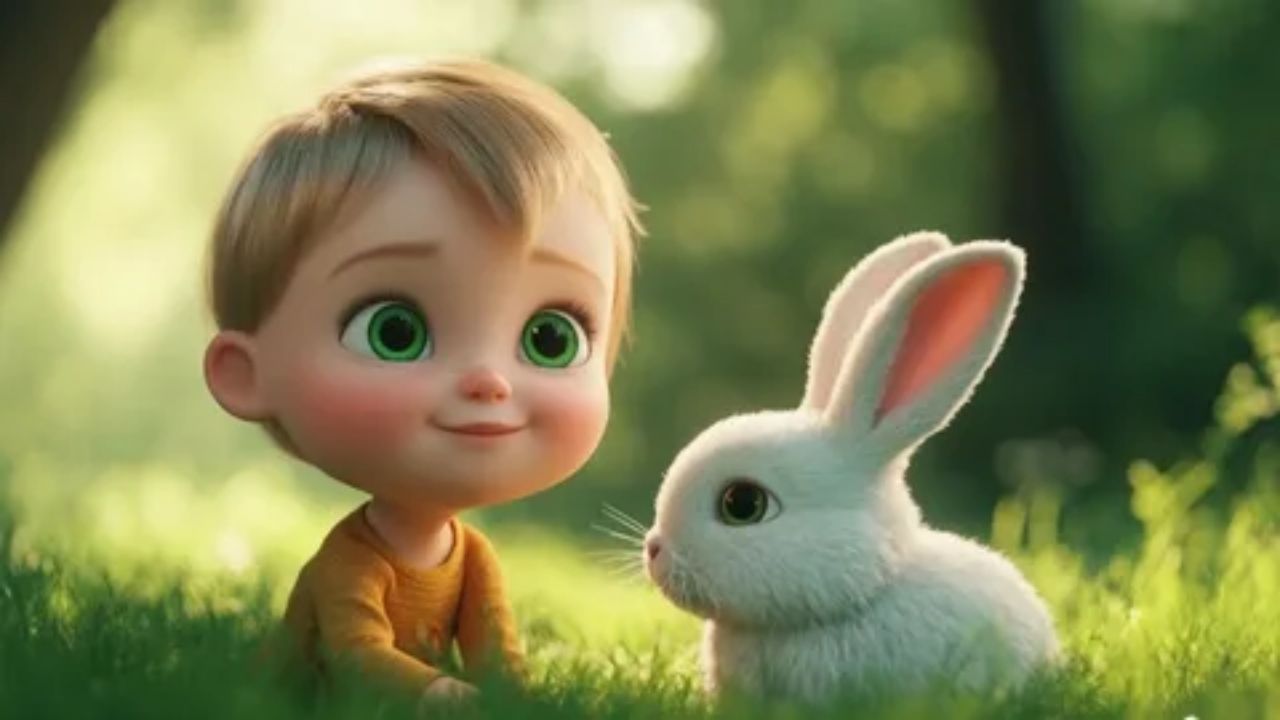
Rabbits — Shannon W.
This short, contemporary poem communicates a sense of quiet, communal wonder. It describes observing wild rabbits in a way that feels like sharing a secret, fostering a respect for wildlife and the value of stillness and watching.
Rabbits
By Shannon W.
Out in the garden,
Early in the morning,
I saw three little rabbits
Who hopped and ate without a sound.
I watched them, so still,
And they never knew I was there.
It felt like our secret,
The dewy grass and the quiet air.
Benefits of Reading Poems About Kids Aloud
The act of reading poetry aloud is a transformative ritual that amplifies all the inherent benefits of poems about kids themselves. For the child listener, it is an auditory feast. The rhythms can calm or energize, the rhymes predict and satisfy, and the sounds themselves are pleasurable. This oral presentation builds crucial listening skills and focus. For the reader and listener together, it creates an intimate, shared experience a moment of connection over the music of words. As poet and author Mem Fox advocates in Reading Magic, the expressiveness of a read-aloud voice teaches children about emotion and intonation in speech far more effectively than conversation alone.
Furthermore, hearing poems about kids read well provides a model for fluent, expressive reading that children will later emulate. It demystifies complex sentence structures and vocabulary by wrapping them in a memorable sonic package. The practice builds a positive association with reading time, reinforcing that literature is not a silent, solitary task, but a living, communal art form to be enjoyed with the ears as much as with the eyes and mind.
Poems About Kids for Different Age Groups
Matching poems about kids to a child’s developmental stage is key to fostering a lasting appreciation.
Toddlers (1-3): Seek out nursery rhymes and action rhymes like “Pat-a-Cake” or “I’m a Little Teapot.” The emphasis is on strong rhythm, repetition, and the connection between word and movement. Board books with single, illustrated nursery rhymes are perfect.
Pre-schoolers (3-5): Introduce short, funny, and highly imaginative poems with clear, colourful imagery. Shel Silverstein’s “Snowball,” the nonsense of Lear’s “The Owl and the Pussy-Cat,” and the playful scenarios of A.A. Milne is excellent. Poems about kids that tell a very simple story, like “Mary Had a Little Lamb,” are also great.
Early Readers (5-7): Children at this stage enjoy poems they can start to read along with or memorize. Poems about kids by Stevenson (“Bed in Summer”), Rossetti (“Mix a Pancake”), and the longer narratives like “The Pied Piper” (in excerpt) capture their growing attention spans and cognitive abilities.
Middle Grade (8-12): Offer more sophisticated language, metaphor, and theme. Poems about kids like Blake’s “The Tyger,” Dickinson’s “Hope,” Yeats’s “Innisfree,” and classic ballads will challenge and inspire them. Humorous poetry from modern collections remains a huge hit, providing an accessible gateway to the form.
Final Thoughts on Poems About Kids
The poems about kids we give to children are more than mere diversions. They are the first architects of their inner landscape, building rooms of wonder, windows of empathy, and doors to imagination. From the comforting chants of Mother Goose to the profound questions of Blake, this curated lineage of verse assures every child that their joys, their fears, their silliness, and their deep thoughts have a place in the world of words.
These poems about kids are heirlooms of the heart, passed from one generation to the next, not gathering dust, but gathering new life with every fresh, young voice that recites them. In a child’s encounter with the right poems about kids , there is a moment of recognition, a feeling of being both uniquely understood and connected to all the children who came before. That is the timeless, irreplaceable gift of poetry.
FAQs
What is a children’s poem / poems about kids ?
Children’s poetry / poems about kids is poetry written for, appropriate for, or enjoyed by children. Four children reading Dr.Seuss’ How the Grinch Stole Christmas! Children’s poetry is one of the oldest art forms, rooted in early oral tradition, folk poetry, and nursery rhymes .
Why poetry for kids?
For kids and teens, poetry is more than just something they read in school. It’s a way to express themselves, use their imaginations, and put their feelings into words. Writing poetry gives them an outlet, a safe space to be creative, work through emotions, and even have fun with language.
What makes a good poems about kids?
For younger children, choose playful, rhyming poetry/ poems about kids on different topics that are familiar and of interest to them. Some great examples for younger children are Dr Seuss and Shel Silverstein, who often combine poetry and poems about kids with silly sounds and concepts that are hugely entertaining and relatable to young children.
Why poems about kids important?
Children’s poetry uses various themes such as humour, fantasy, rhyme and repetition to provide an entertaining and memorable way for children to learn information and have building blocks to the next stages of development. Children are able to learn about nature, history, socialization, and moral lessons through poems about kids .
Related to the article : Dark Poems: 21 Haunting Poems of Loneliness & Pain

Jennifer Aston is a passionate poetry curator and writer with a deep love for the written word. She believes poetry has the power to heal, inspire, and connect people across all walks of life. Through PoemSteric, she brings together timeless and modern verses for every emotion and every moment.