
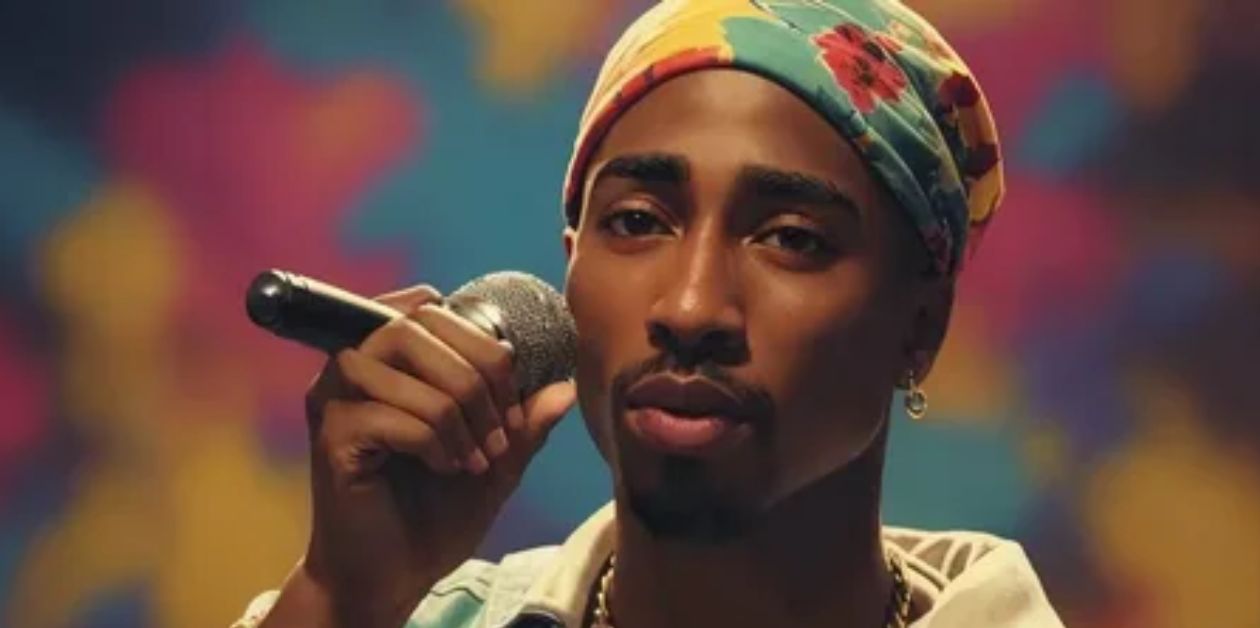
Tupac poems remains an enduring icon, celebrated not just as a revolutionary rapper and actor, but as a profound poet whose words capture the raw essence of human experience: pain, resilience, love, and social consciousness. While his music dominated the charts, his poetry served as the unfiltered core of his identity, offering a window into his private thoughts and deepest reflections. Central to this literary legacy is his seminal poem, “The Rose That Grew From Concrete,” a powerful metaphor for triumph against impossible odds.
This article delves beyond the surface, exploring the depth of Tupac’s poetic vision, the enduring themes of his work, and how his written words continue to inspire and resonate with millions around the globe, proving that his artistry was rooted in a timeless , literary soul.
Tupac Shakur’s Life Through Words
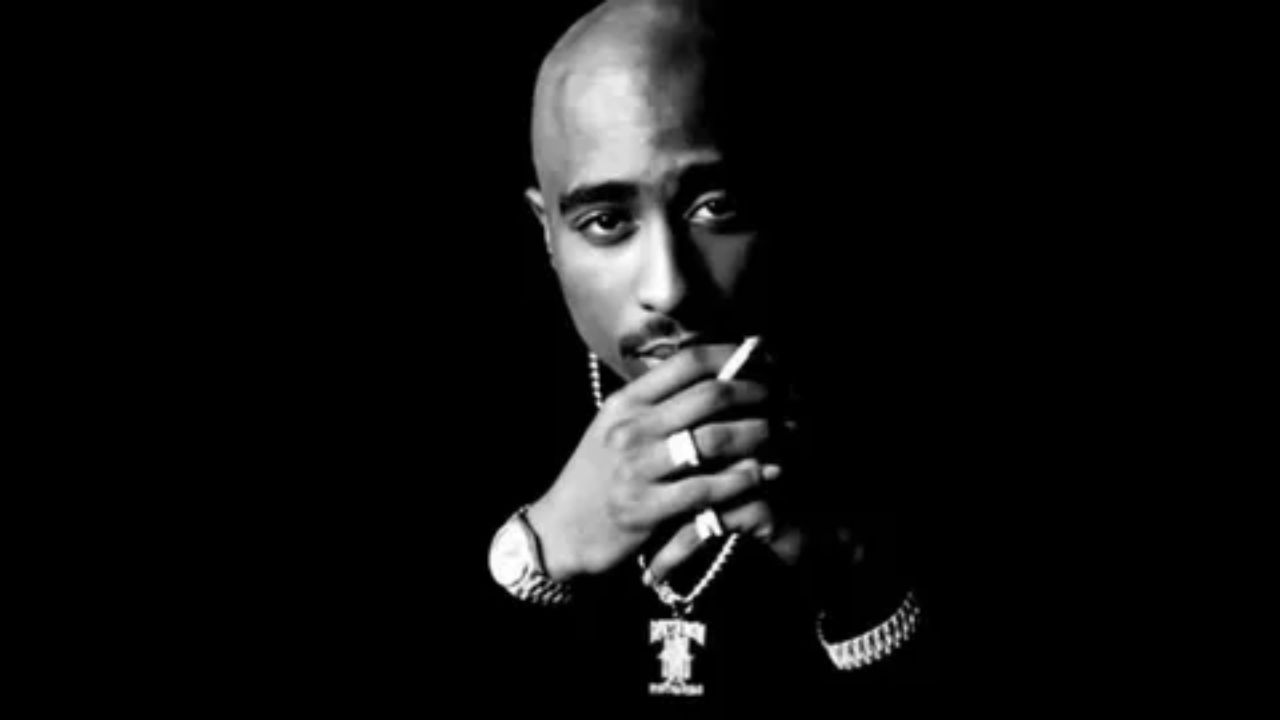
Tupac Amaru Shakur was born on June 16, 1971, in East Harlem, New York City. His life was a complex tapestry woven with threads of art, activism, and adversity. His mother, Afeni Shakur, was a powerful activist and member of the Black Panther Party, which immersed young Tupac in discourses on social justice, systemic inequality, and Black empowerment from his earliest days. This political foundation profoundly shaped his worldview. However, his childhood was also marked by severe poverty and instability, moving frequently between shelters and struggling communities. This duality exposure to high-minded ideology amid harsh material lack forged a unique perspective that would fuel his art.
A pivotal turn came when he attended the Baltimore School for the Arts. Here, he received formal training in acting, poetry, jazz, and ballet. He flourished creatively, performing Shakespeare and writing voraciously. This period was a sanctuary, proving that art could be both an escape and a weapon. When his family moved to Marin City, California, in 1988, Tupac carried this artistic discipline with him. His rise from a roadie and backup dancer for Digital Underground to a solo hip-hop legend was meteoric. Yet, throughout the fame, legal battles, and personal turmoil, he never stopped writing poetry. These poems became his anchor, a space to process the chaos of his life, the brilliance, the pain, and the relentless pressure. His biography is, therefore, best read not just through his public achievements, but through the intimate confessions found in his verses.
Tupac Shakur: The Poet Behind the Rapper
Behind the formidable persona of “2Pac” was Tupac the poet, a sensitive, introspective, and philosophical thinker. His poetry was his most authentic medium, free from the commercial expectations of the music industry. In his notebooks, he was not a “thug” or a celebrity, but a young man grappling with love, mortality, injustice, and hope. The style of his poetry is strikingly direct and conversational, often using lowercase letters and sparse punctuation, making it feel like a stream of consciousness or a private journal entry.
This rawness is what gives his poetry its power. He wrote with emotional honesty, whether expressing tenderness in a love poem, fury at social oppression, or weariness from his struggles. Poems like “In the Event of My Demise” or “The Tears in Cupid’s Eyes” reveal a vulnerability that was sometimes masked by his public bravado. As a poet, Tupac mastered the use of simple yet potent metaphors the rose, concrete, tears, smiles to communicate complex emotional truths. He proves that poetry isn’t about ornate language, but about the authenticity of the voice and the universality of the feeling it conveys.
Key Themes in Tupac’s Poetry
Tupac’s body of poetic work consistently revolves around several core themes that reflect his life and philosophy:
- Struggle and Resilience: This is his most defining theme. The image of beauty and life persisting in a hostile environment the rose growing through concrete recurs throughout his work. It symbolizes the fight to maintain one’s dignity, dreams, and humanity amid poverty, racism, and neglect.
- Social Justice and Activism: Inherited from his mother’s activism, this theme is a blistering critique of systemic failure. Poems like “Liberty Needs Glasses” personify justice as blind and imbalanced, directly attacking institutional racism, police brutality, and the hypocrisy of a nation that fails its marginalized citizens.
- Love and Vulnerability: Tupac’s poetry explores love in its many forms: romantic, platonic, familial, and communal. He wrote passionately about heartbreak, loyalty, and the healing power of connection. These poems show his capacity for deep tenderness and his yearning for genuine understanding.
- Mortality and Legacy: Haunted by a sense of impending doom, Tupac often wrote about death. However, his focus was less on fear and more on the legacy one leaves behind. His poems ask: How will I be remembered? Did my life matter? This contemplation adds a layer of profound urgency to his work.
- Hope and Self-Empowerment: Even in his darkest verses, a thread of hope persists. Poems like “And Morrow” are anthems of perseverance, encouraging the reader (and himself) to keep striving for a better dawn. He consistently advocated for self-belief as the key to overcoming circumstance.
Tupac Shakur’s Published Poetry
Though he wrote constantly, most of Tupac’s poetry was published posthumously, allowing the world to meet the man behind the music.
- The Rose That Grew From Concrete (1999): This is the cornerstone of his literary legacy. The book is uniquely presented with photocopies of his actual handwritten poems on notebook paper, complete with scribbles, drawings, and corrections. This format creates an incredibly intimate experience, as if the reader is holding his private journal. It collects over 100 poems that span the themes of love, struggle, and social observation.
- Inside a Thug’s Heart (2004): This collection is curated by his close friend, actress Jada Pinkett Smith. It consists of heartfelt letters, poems, and telegrams Tupac sent to her over the years. It reveals the depth of their platonic, intellectual bond and showcases a more personal, romantic, and reflective side of his poetry, emphasizing loyalty and emotional support.
Together, these collections ensure that Tupac’s voice as a poet endures independently, offering a fuller, more nuanced portrait of one of the most influential artists of the 20th century.
The Rose That Grew From Concrete: An Iconic Metaphor Explained
The poem that titles his collection is a masterpiece of minimalist power:
“Did you hear about the rose that grew from a crack in the concrete?
Proving nature’s law wrong, it learned to walk without having feet.
Funny it seems, but by keeping its dreams, it learned to breathe fresh air.
Long live the rose that grew from concrete when no one else ever cared.”
In just four lines, Tupac crafts a universal allegory. The concrete represents the oppressive, unforgiving environment of the inner city poverty, systemic racism, broken institutions, and neglect. The rose is the individual (particularly from marginalized communities) who is not supposed to succeed according to society’s “laws.” The poem celebrates the miracle of that success, achieved through sheer willpower (“learned to walk without having feet”) and unwavering faith in one’s dreams. It is a statement of defiant pride and a timeless message of hope, affirming that beauty and greatness can emerge from the most unlikely places.
Tupac’s Most Notable Poems Explored
1. In the Event of My Demise
This poem reads like a spiritual last will and testament. It directly confronts his mortality, asking his friends to celebrate his life rather than mourn his death. He urges them to “continue 2 live 2 the fullest” and remember the love, not the pain. It’s a poignant piece that feels prophetic, highlighting his deep concern for how he would be remembered and his desire for his loved ones to find peace.
2. Liberty Needs Glasses
A searing piece of social commentary. Tupac personifies “Lady Justice” traditionally blindfolded, as someone who desperately “needs glasses.” He lists the injustices she fails to see: racial bias in the legal system, the neglect of the poor, and political corruption. The poem is a direct challenge to America to correct its distorted vision and live up to its promises of equality.
3. And 2Morrow
An anthem of hope and perseverance. The poem acknowledges present pain (“today filled with rage“) but pivots to the promise of a new day. The simplified spelling of “2morrow” symbolizes a fresh start, a chance to rebuild. It’s a message of resilience, encouraging the reader and himself to hold on for a brighter future.
4. A Young Heart With an Old Soul
This poem explores the emotional weight of premature wisdom. Tupac describes the burden of understanding too much about pain, struggle, and loss at a young age. It captures the essence of a child forced to grow up too fast, carrying an “old soul” weary from battles they shouldn’t have had to fight, yet still possessing a “young heart” capable of feeling and hoping.
5. The Power of a Smile
Here, Tupac celebrates love and human connection as transformative, healing forces. He writes that a smile can “cure a heart” and that love is “the only thing that lasts.” This poem reveals his idealistic and romantic core, showcasing his belief in compassion and emotional connection as the ultimate sources of strength and salvation.
Understanding the Depth of Tupac’s Poetry
Tupac’s poetry succeeds because it operates on two levels: it is deeply personal and explicitly political, yet universally relatable. His writing style conversational, imagistic, and emotionally transparent demands that the reader feel rather than just analyse.
His poetry is significant because it:
- Gives Voice to the Unheard: It articulates the specific anger, pain, and hope of Black America and marginalized youth with unmatched authenticity.
- Bridges Divides: While rooted in a specific experience, the emotions of love, loss, and the struggle to dream are universal, allowing people from all backgrounds to connect with his work.
- Proves Art as Resistance: His notebooks were a tool for survival and self-definition, proving that creative expression is a powerful act of resistance against dehumanization.
Tupac Shakur and Jada Pinkett Smith: Poetry of Friendship
The deep, intellectual friendship between Tupac and Jada Pinkett Smith is a critical chapter in understanding his poetry. They met as teenagers at the Baltimore School for the Arts and formed a bond based on mutual ambition, creativity, and understanding. Their correspondence, revealed in “Inside a Thug’s Heart” and through poems Jada has shared (like “Lost Soulz“), shows a side of Tupac rarely seen by the public: playful, supportive, emotionally open, and fiercely loyal. This relationship was a sanctuary for him, and the poetry it inspired underscores the importance of platonic love, intellectual partnership, and having someone who believes in your essence beyond your public image.
Poetry and Music: Two Sides of the Same Soul
Tupac’s poetry and his music are inextricably linked; they are different outlets for the same creative force. His poetic sensibility is what elevated his rapping from mere entertainment to profound storytelling. Compare the themes:
- Poem: “The Rose That Grew From Concrete”
- Song: “Dear Mama” (Both explore resilience, gratitude, and finding beauty in struggle).
- Poem: “Liberty Needs Glasses”
- Song: “Changes” or “Trapped” (Both confront systemic racism and social injustice).
- Poem: “In the Event of My Demise”
- Song: “Life Goes On” (Both reflect on mortality and legacy).
His poetry was the raw, private workshop where ideas were born; his music was the public megaphone that amplified those ideas to the world. Together, they form a complete artistic testimony.
Rare Poems, Quotes, and Inspirations
Memorable Quotes from His Poetry:
- “Long live the rose that grew from concrete when no one else ever cared.” – The defining line of his poetic philosophy.
- “I am the future of tomorrow, I am the new seed of sorrow.” – Capturing the duality of hope and burden carried by his generation.
- “And 2morrow I can change, a chance 2 build a new, if we try 2morrow.” – A perfect example of his hopeful, forward-looking imperative.
Influences on His Poetic Voice:
- Political Environment: The Black Panther Party’s ideology, the War on Drugs, the LA riots.
- Personal Experience: Street life, deep friendships, family dynamics, and his own legal battles.
- Literary & Artistic Inspirations: He was influenced by the rhythmic social commentary of Langston Hughes, the autobiographical strength of Maya Angelou, the radical poetic jazz of Gil Scott-Heron, and even the dramatic depth of William Shakespeare.
Liberty Needs Glasses – Tupac Poems
Excuse me, but Lady Liberty needs glasses,
and so does Mrs. Justice by her side.
Both are blind as bats,
stumbling through a broken system.Justice bumped into Mutulu,
tripped over Geronimo Pratt,
but stepped right past Oliver
and his crooked partner Ronnie.Justice stubbed her big toe on Mandela,
and Liberty was misquoted by the Indians.
Slavery was treated like a learning phase,
forgotten without a verdict
Meanwhile, Justice is on a rampage
against the few surviving Black men.
If anyone truly valued life
and cared about the masses,
they’d give both Liberty and Justice
a proper pair of glasses.
Final Thoughts:
Tupac Shakur’s poetry is the bedrock of his legend. It reveals that beneath the complex icon was a seeker, a thinker, and a man profoundly connected to the human condition. “The Rose That Grew From Concrete” is more than a poem; it is an enduring symbol of irrepressible life and defiant hope. His written words ensure that his legacy is not confined to music history but is firmly planted in the literary canon, continuing to inspire anyone who has ever had to fight for their right to dream, to grow, and to bloom against all odds. His rose, much like his influence, shows no signs of withering.
FAQS
Q1: What are Tupac Shakur’s most famous poems?
Tupac’s most famous poems include The Rose That Grew From Concrete, Liberty Needs Glasses, In the Event of My Demise, and And 2Morrow. These poems reflect his life experiences, social awareness, struggles, and messages of hope, resilience, and love.
Q2: Where can I read all of Tupac’s poems?
A: The primary sources for Tupac’s poetry are his published collections: The Rose That Grew From Concrete (1999) and Inside a Thug’s Heart (2004). These books feature handwritten poems, letters, and sketches that reveal his personal thoughts and artistic depth.
Q3: Did Tupac write his own poems?
A: Yes, Tupac personally wrote all of his poems. His handwritten notebooks were later compiled into published collections. His poetry showcases his authentic voice, emotional honesty, and reflections on love, social injustice, and personal struggles.
Q4: How are Tupac’s poems different from his rap lyrics?
A: While Tupac’s rap lyrics and poems share similar themes, his poems are more intimate, reflective, and conversational. They are often written in a diary-like style, free from the commercial or rhythmic constraints of music, giving readers direct access to his inner thoughts and emotions.
Related to the recent article : Fall Poems: 20 Beautiful Autumn Poems to Celebrate the Season

- 50+ Best Poems About God | Inspirational, Short & Famous Verses - April 1, 2026
- 30 Types of Poems | Complete Guide with Examples for Every Poet - March 28, 2026
- Long Distance Love Poems | 33 Heartfelt Poems for Every Emotion - March 27, 2026