
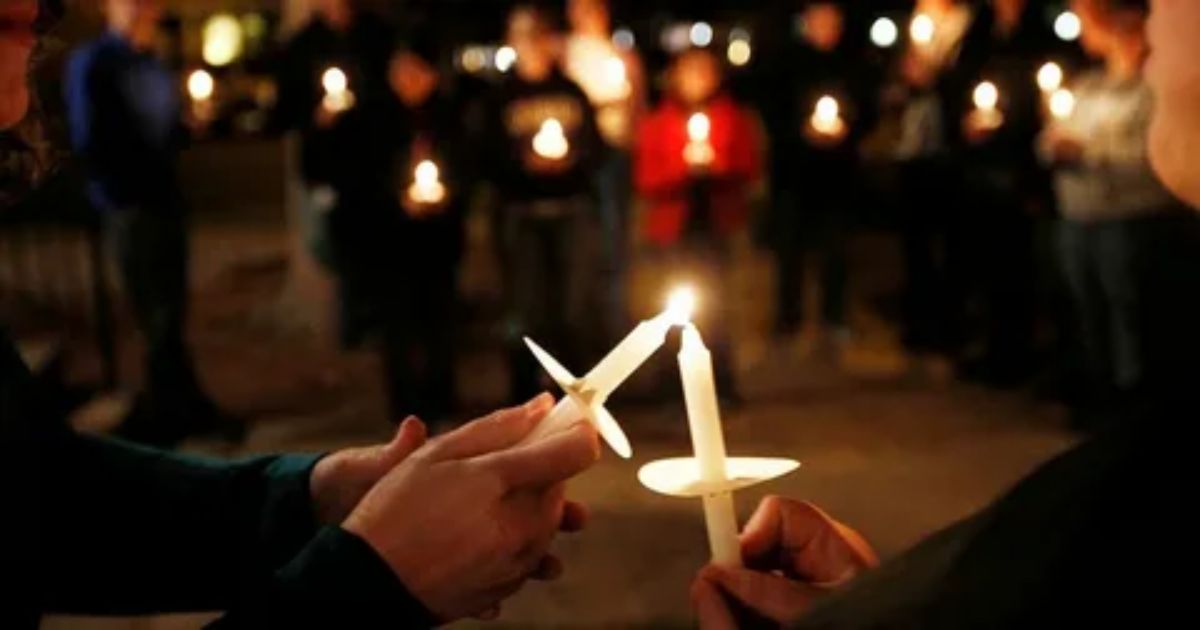
Humour and grief may seem incompatible, but many families discover that gentle laughter can soften even the heaviest moments. Light-hearted funeral poems acknowledge the strange, sometimes absurd reality of loss while still affirming the beauty and value of a life well lived. For someone who disliked excessive solemnity or always filled a room with smiles, a touch of wit can feel far more authentic than silence and tears alone. These poems celebrate personality, the inside jokes, the mischievous grin, the unforgettable quirks reminding everyone that joy was always part of their story.
At the same time, humour does not diminish love or respect. Instead, it can exist alongside uplifting funeral poems, which focus on hope, peace, and the belief that love continues beyond goodbye. Together, light-hearted and uplifting funeral poems create balance: they honour grief while gently guiding hearts toward healing. A shared smile during a memorial can release tension, invite warm memories, and help family and friends feel connected rather than overwhelmed.
In this way, poetry becomes more than words on a page. It becomes a bridge from sorrow to gratitude, from tears to quiet comfort allowing us to remember not only how someone left this world, but how beautifully they lived in it.
Poems and Verses for Funerals, Memorials, and Epitaphs
Funeral poems have been used for centuries to honour the dead. From classical works to modern verses, they serve as both a tribute and a source of comfort. Many memorial poems are read aloud at funerals, while others are engraved as epitaphs on headstones. As Alfred Lord Tennyson once wrote, “I hold it true, whate’er befall; I feel it when I sorrow most; ‘It is better to have loved and lost than never to have loved at all.”
These poems help us process grief and reflect on the impact of the person who has passed. Tribute poems allow friends and family to celebrate a life well-lived, while remembrance poems ensure that memories stay alive long after someone is gone.
Goodnight Poems of Farewell and Rest
Some of the most touching funeral poems embrace the metaphor of sleep, offering gentle reassurance that death is not an end but a peaceful rest. These verses speak softly to mourners, suggesting that their loved one has simply drifted into a quiet slumber from which they will one day awaken.
Music, When Soft Voices Die | Honouring Loved Ones Through Poetry
Percy Bysshe Shelley’s brief but profound poem carries a message that resonates across centuries: the essence of those we love never truly disappears. Written in 1821, this two-stanza masterpiece suggests that beautiful things persist beyond their physical form. When Shelley writes that music lives on in memory after voices fade, and roses leave their fragrance in the earth that nourished them, he offers mourners a lasting comfort. The poem reminds us that love, like music and fragrance, outlives its source. Many families choose this verse for memorial services because it speaks to the continuation of spirit rather than the finality of death. Its quiet elegance suits both formal ceremonies and intimate gatherings, making it a versatile choice for honouring artists, musicians, or anyone who brought beauty into the world.
When I Die, I Want Your Hands on My Eyes | Tender Funeral Poems
Pablo Neruda’s poem from his collection Twenty Love Poems and a Song of Despair offers an intimate, physical image of farewell that many find deeply moving. The Chilean Nobel laureate writes of wanting his beloved’s hands to close his eyes in death, just as they have touched him in life. This poem strips away abstraction and speaks directly to the body’s memory of love, the hands that have held, comforted, and known us completely. For spouses and partners mourning a long love, this verse acknowledges that physical connection does not end with death. The poem’s sensual honesty about grief makes it particularly powerful for those who shared decades of touch and presence with the departed.
Say Not, ‘They Die’ | Celebrating a Life Well Lived
This uplifting perspective comes from various spiritual traditions and has been adapted by many poets over the years. The core message encourages mourners to shift their focus from loss to legacy. Instead of saying someone has died, these poems suggest saying they have simply changed form or location. This reframing helps families celebrate achievements, relationships, and the lasting impact of a life fully lived. The approach works especially well for memorial services that emphasize storytelling and shared memories rather than religious doctrine. By focusing on how someone lived rather than how they died, these verses help communities gather strength from example rather than sorrow from absence.
Popular and Beloved Funeral Poems
Certain poems have earned their place in funeral services through generations of use, becoming touchstones for grief and remembrance. Their popularity stems from their ability to articulate universal feelings with uncommon grace.
She/HE Is Gone | A Poem About Cherished Memories
Often attributed to various authors but most commonly associated with David Harkins, this prose poem speaks directly to those left behind with practical wisdom about mourning. The text acknowledges that someone precious has departed while gently redirecting attention to what remains: the memories, the lessons, the changed world they left behind. The poem’s structure builds from acknowledgment to action, urging readers to “look for me in the people I’ve known or loved” rather than seeking them in empty spaces. Its gender-adaptable format makes it suitable for any service, and its straightforward language ensures that even children can grasp its comforting message. Many funeral directors note that this poem consistently receives positive feedback from attendees who appreciate its balance of honesty and hope.
Remember Me | A Tribute Poem
Christina Rossetti’s “Remember” offers a more complex emotional landscape than many funeral verses. Written in 1849, the sonnet begins with a plea to be remembered but pivots in its final lines to release the mourner from that obligation if remembrance brings pain. This sophisticated understanding of grief’s evolution makes the poem suitable for services where the relationship with the deceased included difficulty or complicated emotions. Rossetti, a devout Anglican, wrote extensively about death and the afterlife, and her work often appears in services for those who appreciated Victorian poetry or struggled with faith during loss. The poem’s structure follows the traditional sonnet form, lending it a formal dignity that suits traditional funeral settings.
Don’t Cry for Me | Comforting Words for the Grieving
Variations of this sentiment appear across cultures and centuries, from ancient Egyptian tomb inscriptions to contemporary folk poetry. The common thread suggests that tears, while natural, may not be what the departed would wish for their loved ones. These verses typically encourage celebration, continuation of life’s pleasures, or carrying forward the deceased’s values. The tone ranges from gently admonishing to warmly encouraging, allowing families to select a version that matches their loved one’s personality. Some versions take a humorous approach, suggesting the departed is finally free from earthly annoyances like taxes or in-laws, while others maintain a more spiritual perspective on reunion and peace.
Do Not Stand At My Grave and Weep | Classic Funeral Poem
Mary Elizabeth Frye’s 1932 poem stands as perhaps the most widely read funeral verse in the English-speaking world. Written on a brown paper bag in a Baltimore department store, the text emerged from Frye’s desire to comfort a young Jewish woman who could not visit her mother’s grave in Germany. The poem’s famous opening lines reject traditional mourning practices, asserting instead that the speaker exists in wind, sunshine, rain, and memory. Its non-denominational imagery made it revolutionary for its time and explains its enduring popularity across religious and secular services alike. The poem’s structure builds through natural imagery to a final assertion of eternal presence, offering mourners a way to maintain connection without clinging to physical remains. Frye, who never formally published the poem during her lifetime, would likely be astonished by its global reach through readings, music settings, and memorial inscriptions.
Let Me Go | Saying Goodbye with Love
This contemporary verse by an unknown author addresses the difficulty of releasing a loved one with dignity. The poem acknowledges the natural desire to hold on while gently arguing for acceptance. Its lines about “the time has come to let me go” speak to both the dying and the bereaved, making it suitable for hospice services as well as memorials. The text often appears in services for those who suffered long illnesses, where the end brings mixed emotions of relief and sorrow. Its straightforward language and short lines make it accessible for readers who may be overcome with emotion during the service.
Angel | Remembering a Loved One
Poems that cast the departed as an angelic presence offer comfort to many believers and even some non-religious mourners who appreciate the metaphor of loving protection. These verses range from explicitly Christian texts referencing guardian angels to more general spiritual poems about invisible companionship. The imagery of wings, light, and watchful presence helps especially children process loss, giving them a concrete image of where Grandma or Grandpa has gone. Many of these poems emphasize that the angel remains close, solving the practical problem of explaining absence while maintaining emotional connection.
Come With Me | A Poem of Loss and Love
This lesser-known verse speaks from the perspective of the departed, inviting understanding rather than sorrow. The poem suggests that death opens new vistas rather than closing doors, using imagery of journey and discovery. Its tone varies by version, from mystical to matter-of-fact, allowing selection based on the deceased’s personality. Some versions emphasize reunion with those who died before, offering particular comfort to elderly mourners facing their own mortality. The poem works well as a closing reading, leaving attendees with a sense of continuation rather than final separation.
Gone, But Not Forgotten | A Poem of Remembrance
This straightforward sentiment appears in countless variations, from traditional Irish blessings to contemporary free verse. The core message emphasizes memory as the antidote to death’s apparent erasure. These poems typically list specific ways the deceased will be remembered: through stories, photographs, continued traditions, or living descendants. The concrete nature of these reminders helps mourners transition from acute grief to sustained remembrance. Many families choose to personalize these verses by adding specific details about their loved one’s hobbies, sayings, or characteristic gestures.
How Did They Live? Reflecting on a Life Well Lived
This reflective question serves as the foundation for many funeral poems that prioritize biography over theology. Rather than speculating about afterlife destinations, these verses examine earthly contributions: how someone treated others, what they built, whom they loved. The approach suits memorial services for community leaders, teachers, or anyone whose impact was primarily social rather than material. These poems often invite attendees to continue the deceased’s work, transforming grief into motivation. The tone tends toward celebration rather than consolation, making these verses particularly appropriate for “celebration of life” ceremonies.
Funny and Uplifting Funeral Poems
Humour and grief may seem incompatible, but many families find that laughter opens the door to healing. Light-hearted funeral poems acknowledge the absurdity of death while affirming life’s value, often reflecting the personality of someone who hated solemnity.

Afterglow | A Light-Hearted Poem of Memory
This cheerful verse by an unknown author suggests that mourners should remember the good times and let the rest fade away. Its title references both the literal afterglow of sunset and the metaphorical glow of pleasant memories. The poem’s brevity and simple rhyme scheme make it easy to read aloud even for those unaccustomed to public speaking. Its message of selective memory keeping the laughter and releasing the pain offers practical psychological advice wrapped in accessible verse. Many families use this poem as a counterweight to more somber readings, placing it strategically in the service to shift the emotional temperature.
All Is Well | Celebrating Life Beyond Death
Henry Scott Holland’s famous sermon excerpt, often adapted into verse form, reassures mourners with its bold assertion that death changes nothing essential about love. Written by the Canon of St. Paul’s Cathedral in 1910, the text emerged from a funeral address and retains its conversational directness. The poem’s structure builds through a series of negations: death does not end love, break communication, or severe presence to a final triumphant declaration that “all is well.” Its Anglican origins notwithstanding, the poem’s universal message has made it a staple across denominations and even in secular services. The text particularly suits services for those who died unexpectedly, where mourners need reassurance that their relationship continues despite physical separation.
Pardon Me for Not Getting Up | Funny Farewell
This contemporary humorous poem speaks from the perspective of the deceased with wry acknowledgment of their own death. Lines about finally having a good excuse to avoid unwanted obligations bring knowing laughter to services for someone with a well-developed sense of irony. The poem works best when read by someone who knew the deceased well and can deliver the lines with appropriate timing. Its humor serves as a pressure valve for grief, allowing mourners to laugh together before returning to more traditional expressions of sorrow. The verse particularly suits memorials for younger people or those who explicitly requested no “sad stuff” at their funerals.
I Am Free | Joyful Poems for a Life Remembered
This category includes verses that celebrate release from suffering, particularly appropriate for those who endured long illnesses or disability. The poems emphasize mobility, lightness, and restored abilities, offering comfort to those who watched someone struggle physically. The tone ranges from quietly grateful to exuberant, depending on the specific text and the circumstances of death. Many hospice chaplains keep copies of these poems for families approaching end-of-life transitions, as they help reframe death from defeat to victory over pain.
Short and Sweet Funeral Poems
Brevity often carries special power in emotional moments. Short funeral poems can be read without overwhelming the speaker or audience, and their compact form makes them suitable for printed programs, memorial cards, or headstone inscriptions.
If I Should Go Tomorrow | A Short Poem of Love
This brief verse by an unknown author offers instructions for mourning in simple, direct language. The poem typically runs eight to twelve lines, making it manageable for even the most grief-stricken reader. Its message focuses on continuing life rather than pausing for grief, suggesting that the best tribute is living well. The poem’s practicality appeals to those who value efficiency and straightforward communication, and its short length allows for multiple readings or combination with other elements in the service.
A Song of Living | A Brief Tribute
Amelia Josephine Burr’s compact poem celebrates life as a gift to be used fully rather than hoarded carefully. Written in the early twentieth century, the text urges readers to “give and spend” their lives rather than saving them for a future that may never arrive. The poem suits memorials for those who lived boldly, traveled widely, or took risks that others might have avoided. Its affirmative message helps counterbalance the natural tendency toward regret and “if only” thinking that often accompanies grief.
The Star | Short Poems of Remembrance
Jane Taylor’s famous nursery rhyme, often known by its first line “Twinkle, twinkle, little star,” has been adapted for funeral use with additional verses that emphasize eternal shining. The poem’s familiarity makes it especially suitable for services including children, who can participate in reciting words they already know. The star metaphor suggests distant but constant presence, a way of explaining death to young minds without frightening imagery. Many families project images of stars during the reading or distribute star-shaped keepsakes to attendees.
Because I Love You So | Short Funeral Verse
This contemporary brief poem speaks directly from the deceased to survivors, explaining death as an act of love rather than abandonment. Its simple language and rhyme scheme make it accessible to all ages and education levels. The poem particularly suits situations where children are mourning a parent, as it addresses their fear of being forgotten or unloved. The text often appears on memorial bookmarks or cards distributed at services, where its portable format allows mourners to carry the comfort home.
Heartfelt Goodbye Funeral Poems for a Final Farewell
The final farewell carries special weight in funeral services, whether as the closing reading or the words spoken at graveside. These poems acknowledge the difficulty of last words while offering frameworks for continuing connection.
A Final Goodbye | A Gentle Farewell Filled with Love
This contemporary verse by an unknown author structures the farewell as a series of releases: releasing the body, releasing the relationship in its old form, releasing the future that will not happen as planned. Each release is paired with a retention releasing the hand but keeping the memory, releasing the conversation but keeping the wisdom. This balanced approach helps mourners process the complexity of grief, where we must let go and hold on simultaneously. The poem works well as the final reading before committal or as a closing reflection at a memorial service.
Until We Meet Again | A Hopeful Parting
This sentiment, expressed in countless poems across cultures, offers the promise of reunion as compensation for present separation. The specific wording varies widely, from traditional Irish blessings to contemporary adaptations, but the core message remains consistent: this goodbye is temporary. These verses suit believers in afterlife reunion and even some secular mourners who appreciate the metaphor of cyclical return. The poem often appears as the closing element in services, sending attendees out with hope rather than despair.
Rest Now, Dear Heart | Peaceful Goodbye
This gentle verse speaks to the deceased rather than about them, offering permission to stop struggling. The poem’s title phrase often serves as a refrain, repeated with slight variations throughout the text. It suits services for those who worked hard, worried much, or suffered long, acknowledging that death brings relief as well as loss. The poem’s direct address creates intimacy even in large gatherings, making mourners feel they are participating in a personal farewell rather than a public ritual.
Your Journey Begins | A Farewell of Light
This contemporary poem reframes death as departure rather than ending, using travel metaphors that suggest packing, choosing directions, and embarking on adventure. The imagery appeals to those who loved travel or saw life itself as a journey with multiple stages. The poem often incorporates references to light starlight, sunlight, candlelight suggesting that the deceased moves toward illumination rather than darkness. Its forward-looking perspective helps shift mourners from looking back at what was to looking ahead at what continues.
Whispered Goodbye | Soft Words of Closure
This brief, quiet poem suggests that the most meaningful farewells need not be shouted or witnessed by crowds. The text validates private moments of parting, whether at a bedside, in a garden, or in the silence of an empty room. The poem’s hushed tone makes it suitable for intimate gatherings or for reading by a single family member. Its emphasis on the adequacy of small gestures helps those who could not be present at death or the funeral to feel their goodbye nonetheless counted.
Non-Religious Funeral Poems and Verses
Increasingly, families seek funeral poems that comfort without requiring religious belief. These secular verses emphasize natural cycles, human connection, and the persistence of influence without invoking supernatural explanations.
I’m There Inside Your Heart | Non-Religious Comfort
This contemporary verse locates the deceased within the survivor’s body and memory rather than in any external paradise. The poem’s imagery is physiological heartbeat, breath, blood grounding spiritual comfort in physical reality. This approach suits atheists, agnostics, and spiritual-but-not-religious individuals who reject traditional afterlife concepts but still seek continued connection. The poem often appeals to scientifically-minded mourners who appreciate its biological metaphors.
To Those Whom I Love & Those Who Love Me | Secular Tribute
This practical poem functions as a set of instructions for mourning, written from the perspective of someone facing their own death. The text explicitly rejects traditional funeral customs, dark clothes, solemn faces, prolonged grief in favor of celebration and continuation. Its secular tone makes no reference to God, heaven, or spiritual reunion, focusing entirely on earthly memory and legacy. The poem suits services for humanists, environmentalists, or anyone who specified “no religion” in their end-of-life planning.
One At Rest | Non-Religious Poems for Goodbye
This category includes verses that emphasize peace, completion, and natural return to elemental form. Drawing on imagery of sleep, seasonal cycles, and ecological recycling, these poems comfort through recognition of death’s place in larger patterns. They often reference dust, stars, oceans, or forests, suggesting that individual consciousness dissolves into universal processes. These verses particularly suit outdoor services, green burials, or memorials for those who loved nature.
Funeral Blues | Classic Plum by W.H. Auden
Auden’s 1936 poem, popularized by the film Four Weddings and a Funeral, offers something rare in funeral literature: complete permission to grieve without consolation. The text’s famous instruction to “stop all the clocks” and its declaration that “nothing now can ever come to any good” validate the darkest moments of mourning. While some families hesitate to use such a despairing poem at funerals, others find it liberating to acknowledge pain without immediate rush toward healing. The poem suits services for sudden, tragic deaths where premature comfort would feel dishonest. Auden’s mastery of rhythm and rhyme makes the poem memorable even through tears, and its cultural familiarity helps mourners feel less alone in their devastation.
Do Not Stand at My Grave and Weep | Poem of Eternal Presence
Mary Elizabeth Frye’s masterpiece deserves mention in both religious and non-religious contexts because its imagery requires no supernatural belief. The poem’s assertion of presence in natural phenomena wind, snow, rain offers comfort through observable reality rather than faith in unseen realms. For secular mourners, the poem suggests that influence persists through environmental and social impact; for believers, it easily accommodates spiritual presence. This flexibility explains the poem’s universal adoption across belief systems and its frequent selection by families unsure of the deceased’s religious views.
Those Winter Sundays | Poem About Parental Love
Robert Hayden’s 1962 poem offers a complex portrait of fatherhood that resonates with many adult mourners. The text describes a father’s quiet sacrifices rising early to warm the house, polishing shoes through the lens of adult understanding rather than childhood resentment. The poem’s famous final question, “What did I know, what did I know of love’s austere and lonely offices?” captures the belated recognition of parental devotion that often accompanies grief. The poem suits services for fathers, particularly those who showed love through action rather than words, and for adult children processing complicated family dynamics. Hayden’s precise imagery and controlled emotion make the poem suitable for readers who may struggle to maintain composure.
Table of Top Funeral Poems Books
Several collections have earned reputations as essential resources for those planning services or seeking comfort in grief. These books offer curated selections with context, commentary, and guidance for selection.
The Oxford Book of Death edited by D.J. Enright provides scholarly but accessible selections from world literature, ranging from ancient Egyptian texts to contemporary verse. The anthology’s historical breadth helps readers understand how different cultures have approached mortality through poetry.
Poems of Mourning from the Everyman’s Library Pocket Poets series offers a portable collection of classic verses suitable for carrying to services or keeping bedside during grief. The selection emphasizes works that have comforted generations.
Readings for Remembrance edited by Eleanor Munro provides prose and poetry specifically chosen for funeral services, with brief introductions explaining each selection’s history and appropriate use. The book serves as a practical handbook for officiants and family members planning services.
The Art of Losing edited by Kevin Young collects poems about grief and mourning from diverse contemporary voices, offering alternatives to traditional selections for those seeking fresh perspectives.
Healing After Loss by Martha Whitmore Hickman provides daily meditations drawn from various wisdom traditions, including poetry, suitable for the months following a death when acute grief transitions to sustained mourning.
Final Thoughts
Selecting funeral poems requires balancing multiple considerations: the deceased’s personality and preferences, the family’s religious and cultural background, the tone of the service, and the practical needs of whoever will read the verse aloud. The best choice often surprises, sometimes a humorous poem brings the most comfort, sometimes a despairing one validates necessary pain. What matters most is authenticity, selecting words that genuinely reflect the relationship being mourned rather than defaulting to familiar choices.
Remember that poems serve multiple functions in funeral services. They can open space for emotion when words fail, provide structure for chaotic grief, offer intellectual framework for existential questions, and create shared experience among dispersed mourners. A well-chosen poem becomes part of the memorial itself, with attendees often requesting copies to carry home.
The tradition of funeral poetry stretches back to human origins, with every culture developing verses to mark life’s inevitable ending. This continuity offers its own comfort we grieve as humans have always grieved, using language to transform private loss into shared meaning. Whether you choose ancient scripture, contemporary free verse, or a poem written specifically for your loved one, you participate in this ancient practice of using beauty to face mortality.
As you plan a service or seek comfort in your own grief, trust your response to the poems you encounter. The verse that makes you cry, or laugh, or breathe more easily is the right verse, regardless of its popularity or pedigree. Poetry speaks to individual circumstances in ways that transcend its general words, becoming specific through your particular loss. In that meeting of poem and person, healing begins.
Related to the article : Rupi Kaur Poems About Love, Self-Love & Healing

- 50+ Best Poems About God | Inspirational, Short & Famous Verses - April 1, 2026
- 30 Types of Poems | Complete Guide with Examples for Every Poet - March 28, 2026
- Long Distance Love Poems | 33 Heartfelt Poems for Every Emotion - March 27, 2026