

If you’re searching for the best erotic poems that are intimate, lyrical, and deeply human, this collection is for you. These 13 erotic poems explore desire in all its forms tender, urgent, vulnerable, and unapologetically alive. Spanning centuries from classic erotic poetry to modern queer voices, this curated selection brings together verses that don’t just describe passion they make you feel it. Whether you want erotic poems to read aloud, share with a partner, or experience alone in the quiet hours after midnight, these pieces invite you to slow down and let language move through your body.
Before You Begin | Reading Desire Like a Ritual
You hold more than words in your hands right now. This collection of 13 erotic poems invites you into a space where skin speaks and midnight listens. But before you dive into these verses, take a moment to understand how to receive them fully. Reading desire differs from reading news or fiction. It asks something of you. It asks you to show up with an open body and a quiet mind.
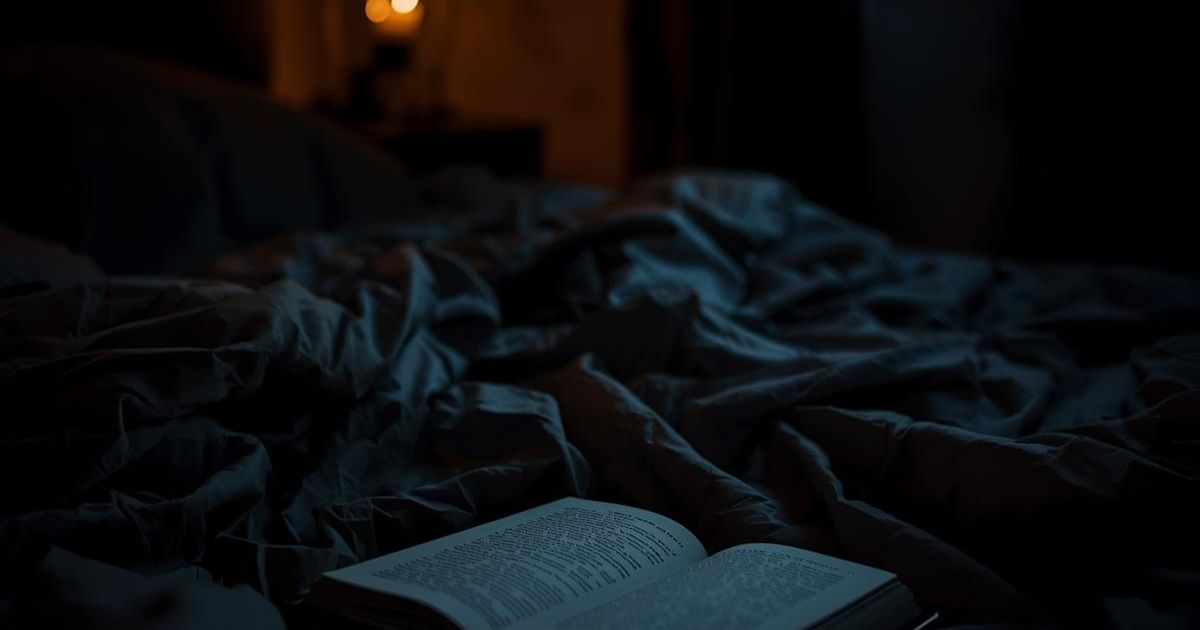
Think of this as preparation for an encounter. You wouldn’t rush into an intimate moment without presence. The same applies here. These erotic poems work best when you approach them not as a task but as a threshold. Let your shoulders drop. Take a breath. You’re about to enter rooms built from language where bodies find each other in the dark.
The Art of Reading Desire Aloud
Your voice holds power you rarely use. When you read these erotic poems silently, they reach your mind. When you read them aloud, they reach your body. The difference matters. Try this tonight: find a room where no one listens and speak the words into existence. Feel how “hips” sits in your mouth. Notice how “thigh” requires your tongue to press and release.
The poets in this collection crafted each line for breath. They considered where you would pause, where you would rush, where you would whisper. Reading aloud transforms these 13 erotic poems from ink on paper into events that happen to you. Your throat becomes part of the poem. Your lungs supply its rhythm. You don’t just consume desire, you perform it.
Why These Poems Choose You
You didn’t find this collection by accident. Something in the title called to you. Maybe you seek language that matches experiences you’ve had but couldn’t name. Maybe you want to learn how poets describe what happens between bodies when the lights go low. Maybe you simply need proof that others feel what you feel.
These 13 erotic poems select their readers. They don’t perform for everyone. They wait for those who understand that desire carries intelligence that longing teaches us things we learn nowhere else. If you’re reading this, you belong to the tribe that knows skin remembers what words forget. These poems chose you because you speak that language.
A Note on Consent in Verse
Every genuine erotic encounter requires consent. The same holds true for reading. These erotic poems may stir things you didn’t expect: memories, desires, griefs, hunger. That’s part of their power. But you get to decide how far you go. If a poem asks too much today, close the book. Return when ready.
The poets represented here wrote from places of agency and choice. Their work celebrates mutual desire, not coercion. As you move through these 13 erotic poems, notice how often they depict giving and receiving as the same motion. Real erotic poetry never takes its exchanges. Let that ethic guide your reading too.
Poets Who Write in the Dark
The poets in this section write now, among us, in our time. They understand contemporary desire, its complications, its technologies, its textures. These are voices shaped by current ways of loving and leaving. Their erotic poems pulse with today’s blood.
“The First Time” Natalie E. Illum
Natalie E. Illum captures what everyone forgets about first times: they rarely go smoothly. Her poem traces the awkward grace of bodies learning each other. Elbows bump. Hands hesitate. Breath catches in places breath shouldn’t catch. Illum understands that first times contain more comedy than tragedy, more fumbling than finesse.
What makes this one of the essential erotic poems in modern literature is its tenderness toward inexperience. Illum never mocks the beginners she describes. Instead, she honors the courage it takes to show someone your body when you haven’t yet learned what it does in pleasure. “The First Time” reminds us that every expert was once a novice.
“Ode to the Hickey” Melissa Lozada-Oliva
Leave it to Melissa Lozada-Oliva to write an erotic poem about something most poets ignore. Her ode to the hickey celebrates the mark as evidence proof that someone’s mouth found you worthy of attention. She writes about the purple bloom on skin with the reverence others reserve for roses or moons.
This poem earns its place among contemporary erotic poems because it refuses shame. Society tells us to hide these marks. Lozada-Oliva tells us to wear them like medals. She understands that desire leaves traces, and those traces tell stories. A hickey, in her hands, becomes a love letter written in the language of bruise.
“After the Shower” Richard Blanco
Richard Blanco brings his signature attention to domestic detail into the realm of erotic poems. “After the Shower” watches a lover emerge wet from bathing, and in that ordinary moment, finds extraordinary beauty. Blanco describes water droplets on skin like a cartographer mapping new territory.
What moves me about this poem is its gentleness. Not all erotic poems need to scream. Some whisper. Blanco shows us that seeing someone fresh from water vulnerable, dripping, human can arouse as deeply as any explicit act. The erotic lives in attention. Blanco pays attention like a prayer.
“Instructions for a Body” Marty McConnell
Marty McConnell writes erotic poems that function as manuals for pleasure. “Instructions for a Body” tells the beloved exactly where to touch, how long, with what pressure. The poem commands and invites simultaneously a dynamic many real encounters share.
McConnell understands that clear direction can feel more erotic than silent groping. When someone tells you what they want, they give you the gift of certainty. This poem celebrates that exchange. It belongs in any serious collection of erotic poems because it models communication as foreplay.
“When He Lays Me Down” Ocean Vuong
Ocean Vuong writes erotic poems that break your heart while they turn you on. “When He Lays Me Down” describes intimacy between men with such precision that any reader regardless of orientation recognizes the truth in it. Vuong captures how vulnerability intensifies pleasure, how letting someone see you fully makes the touch deeper.
The language here is Vuong’s signature lyrical but never flowery, precise but never cold. This poem earns its place among contemporary erotic poems because it refuses easy resolution. Desire in Vuong’s world leaves marks. It changes you. You don’t walk away from these encounters unchanged, and neither should your reading.
When the Canon Dared to Burn (Erotic Poems from Literary Giants)
Before contemporary poets wrote freely about desire, literary giants risked everything to put bodies on the page. These erotic poems faced censorship, scorn, and silence. Yet they survived. They reached us across decades because they told truths that couldn’t stay buried.
“The Floating Poem, Unnumbered” Adrienne Rich
Adrienne Rich wrote erotic poems that changed what poetry could say about women’s bodies and women’s desires. “The Floating Poem, Unnumbered” comes from her sequence “Twenty-One Love Poems,” which chronicled a lesbian relationship with unflinching honesty. Rich refuses to translate female desire through male eyes. She gives it directly.
The poem floats, as its title suggests, through moments of touch and recognition. Rich understands that erotic poems don’t need to describe every act. Sometimes they need to describe the space between acts, the breath after, the look across pillows, the hand that reaches again. This poem survives as a landmark because it claimed territory poetry had denied women.
“Love Sonnet XI” Pablo Neruda
Pablo Neruda’s erotic poems have traveled the world in countless translations because they speak something universal. “Love Sonnet XI” finds Neruda craving the beloved with a hunger that feels almost violent in its intensity. He wants to eat the light from her skin. He wants to consume and be consumed.
Reading Neruda’s erotic poems today requires acknowledging their excess. He doesn’t do subtle things. He is overwhelming. But that excess matches something real about desire: the way it can feel too big for your body, the way it makes you want to merge until separate selves dissolve. Neruda gives language to that merging.
“Recreation” Audre Lorde
Audre Lorde wrote erotic poems that doubled as political acts. For her, the erotic wasn’t just personal pleasure it was power, knowledge, resistance. “Recreation” describes lovemaking as a creative act, something two people build together with their bodies. The title works on multiple levels: recreation as play, recreation as re-creation of self.
Lorde believed that erotic poems could heal what oppression wounded. When Black women loved each other openly in verse, they struck blows against systems designed to destroy them. Reading “Recreation” today, you feel that revolutionary heat. This isn’t just a poem about sex. It’s a poem about freedom.
“Lust” Yusef Komunyakaa
Yusef Komunyakaa writes erotic poems that smell like sweat and taste like salt. “Lust” refuses to romanticize desire. It gives us wanting in its raw form: urgent, impatient, slightly dangerous. Komunyakaa brings a jazz musician’s sense of rhythm to his lines, syncopating syntax until the poem swings.
What distinguishes Komunyakaa’s contribution to erotic poems is his willingness to include darkness. Not all desire feels pretty. Some of it rises from places we don’t fully understand, hungers we can’t quite name. This poem honors that complexity. It says yes, lust exists, and yes, it matters, and yes, we must speak it.
Echoes from Rooms Where the Lamp Still Burns (Classic Erotic Poetry)
The oldest erotic poems still speak to us across millennia. Human bodies haven’t changed much. What we wanted then, we want now. These classics survive because they are named things we keep rediscovering.
“Fragment 31” Sappho
Sappho wrote erotic poems so powerful that ancient Greeks called her the Tenth Muse. Only fragments of her work survive, but even broken, they burn. “Fragment 31” describes watching a woman speak with a man, and the speaker’s physical reaction, sweat, trembling, speechlessness reveals desire so strong it dismantles her.
Scholars note how Sappho constructs the space of desire in this poem, making the beloved both present and unreachable . The speaker reaches toward someone she cannot have, and that reaching becomes the poem. Every writer of erotic poems since Sappho owes her debt. She invented the language we still speak.
“To His Mistress Going to Bed” John Donne
John Donne wrote erotic poems that blend spiritual longing with physical hunger. “To His Mistress Going to Bed” watches a woman undress and turns each removed garment into an occasion for worship. Donne’s speaker begs her to reveal herself, not just for pleasure but for something approaching salvation.
Donne’s metaphysical wit transforms these erotic poems into philosophical investigations. He compares his mistress’s body to newly discovered lands, himself to an explorer claiming territory. Modern readers rightly question the ownership implied, but Donne’s linguistic invention remains breathtaking. He made English poetry safe for desire.
“Song of Myself, Section 28” Walt Whitman
Walt Whitman wrote erotic poems that celebrated the body as holy. “Song of Myself, Section 28” describes an encounter with touch so overwhelming that the speaker loses himself in sensation. Whitman refuses shame. For him, the body’s pleasures are the soul’s expressions.
When Whitman published these lines, readers gasped at their frankness. He included body parts and acts polite society pretended didn’t exist. But his erotic poems never felt pornographic because they carried such genuine reverence. Whitman really did believe every atom belonging to him as good belonged to you. That belief made his desire generous, not greedy.
“I like my body when it is with your body” E. E. Cummings
E. E. Cummings wrote erotic poems that broke grammar to match how desire breaks boundaries. His lowercase i suggests a self small before beloved. His run-together words suggest bodies merging until separate becomes meaningless. Cummings understood that love doesn’t follow rules, so why should sentences?
This poem celebrates the feel of skin against skin texture, temperature, electricity. Cummings captures how bodies know each other in ways minds never will. His contribution to erotic poems reminds us that sometimes the most profound thing you can say about desire is simply: this feels good. This feels right. This feels like home.
What These Poets Know About Your Body
After reading through these 13 erotic poems, patterns emerge. These poets, across centuries and styles, understand certain truths about how bodies experience desire. Let me share what they’ve taught me.
The Architecture of Longing
Erotic poems build structures that longing can inhabit. Notice how many of these poets use space rooms, beds, landscapes as containers for desire. They know that longing needs architecture. It needs somewhere to happen.
Richard Blanco places his lover after the shower, water still drying. Ocean Vuong lays his speaker down on what bed we don’t know, but we feel its presence. These settings matter because bodies always exist somewhere. Erotic poems remind us that desire doesn’t float free; it lands on sheets, against walls, across kitchen tables.
Silence as the Most Erotic Stanza
The best erotic poems know when to stop talking. They leave gaps for you to fill. They understand that what happens between stanzas can matter more than what happens within them.
Sappho’s fragment breaks off exactly where we most want to continue. That break isn’t loss, it’s a gift. She leaves us reaching, as her speaker reaches. The silence after “Fragment 31” becomes part of the poem. You complete it with your own longing.
When to Show, When to Haunt
These 13 erotic poems demonstrate sophisticated understanding of revelation and concealment. They show skin sometimes. Other times, they simply suggest skin beneath fabric. The choice matters.
Melissa Lozada-Oliva shows the hickey purple, explicit, undeniable. John Donne shows the mistress undressing, garment by garment. But Marty McConnell only instructs, leaving the actual touch to imagination. Both approaches work because both respect the reader’s role. Erotic poems aren’t spectacles you watch. They’re collaborations you join.
Which Poem Refused to Leave You?
You’ve travelled through these 13 erotic poems now. Some touched you. Some maybe didn’t. But one or two probably stuck lines that echo when you close your eyes, images that return unbidden. That’s the test of real erotic poetry. It doesn’t just describe desire. It becomes a desire.
Share the Line That Stopped Your Breath
Maybe Ocean Vuong’s tenderness undid you. Maybe Audre Lorde’s revolutionary heat changed your understanding of what erotic poems can do. Maybe John Donne’s wit made you laugh and ache simultaneously. Whatever line caught you, it caught you for a reason.
That line chose you. It found the place in you that needed naming. The poets in this collection wrote from their own bodies toward yours, and when the connection happens, you feel it physically. Your breath actually stops. Your chest actually tightens. That’s poetry working exactly as intended.
Read One of These Aloud Tonight
I’ll close this section with an invitation. Tonight, before sleep, choose one poem from this collection. Take it to a room where you won’t be heard. Read it aloud. Feel it in your mouth. Let your voice carry its rhythm.
Notice what happens in your body as you speak. Where do you feel it? Your throat? Your chest? Lower? Your physical response tells you something about the poem’s power and about your own living landscape of desire. These 13 erotic poems exist to be spoken. Give them your voice. See what they give back.
Collections That Burn Slowly
If these 13 erotic poems left you wanting more, good. That’s how desire works: it feeds on itself. Here are pathways deeper into the territory you’ve entered.
7 Erotic Poems for Long-Distance Lovers
Distance changes how we read erotic poems. When touch isn’t possible, language must stand in for skin. Poems become the hands we can’t extend.
Seek out poems that emphasize memory and anticipation verses that recall past encounters or imagine future ones. These poems understand that absence can intensify presence. They know that wanting someone far away keeps them close in ways geography can’t defeat.
The Queer Canon: A Secret History
Many of the most powerful erotic poems come from queer voices who wrote despite danger. Sappho loved women when such love could mean exile. Whitman celebrated male beauty when such celebration could mean prosecution. Audre Lorde and Adrienne Rich wrote lesbian desire when publishing it took courage.
This secret history matters because queer erotic poems often carry extra heat: the heat of forbidden, the heat of risk, the heat of claiming what society denies. Reading them, you feel the weight of what their authors overcame to put these words on paper.
From Page to Performance: Spoken Word Desire
Some erotic poems reach full power only when performed. Spoken word artists understand that the body speaking becomes part of the poem. Breath, gesture, eye contact all communicate desire beyond words.
Look for videos of poets performing their work. Watch how Melissa Lozada-Oliva’s body moves when she says “hickey.” Notice where Ocean Vuong pauses, what he looks at during silence. These performances add dimensions the page alone can’t hold.
About This Curation
You deserve to know how these 13 erotic poems found each other and found you. Selection always means something. Let me explain our process.
How We Chose These 13 Erotic Poems
We began with hundreds of possibilities, centuries of poets writing about bodies and desire. We read until we couldn’t read more. Then we read again. Slowly, poems separated themselves from the mass. They spoke louder. They lingered longer.
We wanted a range of different bodies, different desires, different eras. We wanted Sappho ancient and Vuong contemporary, Donne canonical and Lozada-Oliva disruptive. We wanted poems that show desire in its complexity tender and rough, gentle and urgent, sacred and profane.
Each of these 13 erotic poems earned its place by being unforgettable. After reading them, we couldn’t stop thinking about them. That’s the only real test. Does the poem haunt? Does it return? Does it change how you see?
The Editors Who Read in the Dark
The team behind this selection read these poems in all conditions at desks, in bed, on trains, in the dark before sleep. We noticed which ones worked differently in different contexts. Some demanded daylight. Others only revealed themselves at midnight.
We brought our own bodies to this work. Our own desires shaped what we noticed. We don’t pretend objectivity. Instead, we offer honesty: these 13 erotic poems moved us. We hope they move you too.
Take This With You
Before you go, take resources that extend your encounter with these poems.
Download “The Art of Reading Desire Aloud” (Free PDF)
We’ve created a guide to help you read these 13 erotic poems with full presence. It includes breathing exercises before you begin, tips for using your voice effectively, and questions to ask yourself after each poem. Download it for free. Use it alone or with someone you trust.
Join “Verse & Vice” Monthly Poems in Your Inbox
Let more erotic poems find you. Our monthly newsletter delivers one carefully chosen poem to your inbox, with brief commentary on why it matters and how to read it. No spam. Just desire, delivered.
FAQs
What makes a poem erotic rather than pornographic?
Erotic poems engage imagination and emotion alongside physical description. They leave room for you to enter them. They care about language, not just acts. The 13 erotic poems in this collection demonstrate each user’s desire to explore something larger about being human.
Can I share these poems with a partner?
Absolutely. Reading erotic poems together creates intimacy. Take turns reading aloud. Notice what affects each of you differently. Let the poems start conversations you might not otherwise have.
Why include poets from different centuries?
Because desire changes less than you’d think. Sappho’s longing from 600 BCE reaches us intact. Donne’s wit from 1600 still makes us smile. These 13 erotic poems across time prove that bodies and hearts remain remarkably consistent, even as cultures shift around them.
How do I find more poems by these authors?
Each poet represented here has published collections. Seek them out. Read widely. Let one poem lead you to another. The best way to find more erotic poems you’ll love is to trust the poets who already moved you.
What if a poem makes me uncomfortable?
Good. Discomfort often signals growth. Sit with the feeling. Ask what caused it. The best erotic poems disturb as well as arouse they challenge assumptions about what desire should look like and who should feel it.
Final Thought
You made it to the end of this collection of 13 erotic poems. But ending isn’t the right word. Poems this powerful don’t end. They echo. They return. They show up when you least expect them in moments of quiet, in encounters with skin, in the dark before sleep. These poems came from bodies that wanted and wrote and dared. They reached across centuries to find you. They’ll reach beyond you to find others. That’s the miracle of erotic poetry it keeps desire alive beyond any single life, any single touch, any single night. The poets in these pages wrote because they couldn’t not write. They wrote because silence felt like death. They wrote because some truths only reveal themselves in language that tastes like midnight, feels like skin, moves like breath across a throat. Now the poems belong to you. Read them. Speak to them. Share them if it feels right. Keep them secret if it feels better. However you hold these 13 erotic poems, hold them like what they are: gifts from the dead to the living, from the desiring to the desired, from bodies that once burned to bodies that burn still.
The lamp in the room where you read this will eventually go out. You’ll close the book or screen. You’ll turn toward sleep or toward someone who shares your bed. But something will remain a line remembered, an image carried, a hunger named. That’s what these 13 erotic poems came to give you. Not just pleasure, though pleasure matters. Not just knowledge, though knowledge helps. They came to give you company in the dark. They came to whisper: you’re not alone in what you want. Others wanted before you. Others will want after. Desire connects us across all distances, all time, all differences.
Recent Article : 75 Funny Poems for Kids That Will Make Them Laugh Out Loud

- 50+ Best Poems About God | Inspirational, Short & Famous Verses - April 1, 2026
- 30 Types of Poems | Complete Guide with Examples for Every Poet - March 28, 2026
- Long Distance Love Poems | 33 Heartfelt Poems for Every Emotion - March 27, 2026