
The enduring appeal of cat poems lies in their unique ability to capture the mysterious essence of felines while reflecting our own human nature. This curated exploration delves into the very best cat poems, from the foundational and whimsical verses of T.S. Eliot to the insightful works of brilliant modern poets, presenting a definitive selection of over twenty essential readings. This collection is designed to guide both new enthusiasts and seasoned lovers of verse through the rich landscape of feline inspired poetry, showcasing why this niche remains a perennially popular and deeply resonant literary genre.
By examining classic and contemporary works side by side, we can trace the evolution of the cat as a poetic symbol and understand its unshakable hold on the literary imagination, offering readers a comprehensive journey through one of literature’s most charming traditions.
Why Cats Have Inspired Poets for Centuries: From Ancient Muses to Modern Metaphors
Cats have served as powerful muses for poets across centuries and cultures, a phenomenon rooted in the animal’s inherent duality and symbolic richness. As creatures of profound contradiction simultaneously domestic and wild, affectionate and aloof, graceful and cunning cats provide a versatile canvas for exploring complex themes. Literary scholars argue that the primary inspiration for cat poetry stems from this very ambiguity, with the symbolism of cats in poetry often encompassing independence, enigmatic mystery, intuitive knowledge, and a connection to the unseen or spiritual world. From ancient Egyptian odes to the revered Bastet to medieval folklore where cats were linked to magic, their cultural baggage adds layers of meaning for poets to unpack, allowing them to use the feline form to comment on solitude, beauty, unpredictability, and the untamed parts of the self, thereby securing the cat’s permanent and prestigious place in literary history across movements from Romanticism to Modernism.
Exploring the Timeless Cat World of T.S. Eliot: A Literary Universe of Whiskers and Wit
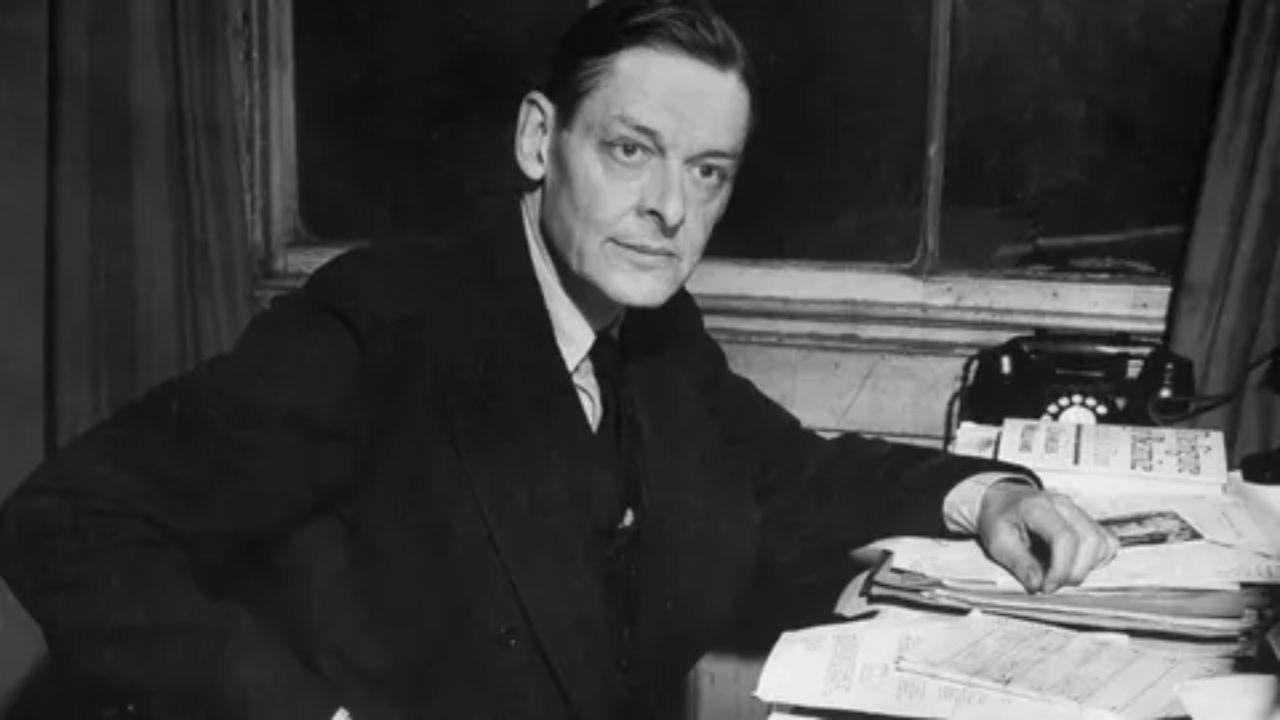
T.S. Eliot’s contribution to feline poetry is so monumental that it essentially created its own subgenre within literary culture, with his work transcending simple animal verse to construct an elaborate and fully realized parallel society where cats embody distinct human archetypes and social roles. Eliot’s genius in Old Possum’s Book of Practical Cats was to use the cat’s persona as a sophisticated lens for satire and social commentary, all under the guise of playful rhythm and charming characterizations, creating a cat world that functions as a sharp, humorous reflection of London society and, by extension, human society at large. The poems operate on multiple levels, delighting children with their musicality and animated characters while offering adults pointed observations on class, profession, reputation, and identity, establishing narrative templates, psychological depth, and a thematic richness that later poets could either emulate or react against, ensuring his work remains the definitive starting point for any serious exploration of cats in verse.
Old Possum’s Book of Practical Cats – Complete Guide to Eliot’s Feline Masterpiece
Published in 1939 under his playful pen name, Old Possum’s Book of Practical Cats is far more than a collection of children’s poems about cats; it is a cohesive work of social satire and imaginative anthropology where each poem functions as a dramatic monologue or character study, introducing a feline persona with a specific vocation, vice, or virtue, from the disruptive and contrary Rum Tum Tugger to the indispensable railway guardian Skimbleshanks. The term “practical” in the title is deeply ironic, as Eliot invests these cats with a complex, almost ritualistic practicality that mirrors human social structures, using their “practical” natures their specific roles as conjurer, thief, gourmet, or theatrical cat poems to explore the performative masks individuals wear in an urban jungle, making the book a masterclass in character-driven animal poetry that uses whimsy to deliver wisdom about community and individuality.
The Naming of Cats – A Deep Dive into Poem Meaning and Philosophical Interpretation
Serving as the theological and philosophical cornerstone of Eliot’s feline universe, “The Naming of Cats” is a profound meditation on identity and essence that posits every cat poems possesses three distinct names: the common family name used daily, the more particular dignified name, and most importantly, the secret, unutterable name that the cat poems contemplates in solitude. This tripartite structure is rich with interpretation, often analysed as a metaphor for the layers of the self, where the first name represents the public, social identity; the second signifies the individual personality known to intimates; and the third, secret name symbolizes the ineffable, sacred core of being that is known only to the individual, elevating the poem from a charming piece about cat names to a universal statement about the mystery of existence and the respect required to truly know another being, making it one of the most frequently analysed and beloved famous cat poems in the English language.
Macavity, the Mystery Cat – Complete Summary and Cultural Insight
“Macavity: The Mystery Cat” stands as Eliot’s most famous individual villainous portrait and a brilliant piece of poetic characterization, presented as “the Napoleon of Crime,” a tall, ginger cat whose power lies in his absence, as he is never at the scene of his misdeeds, leaving lesser cats to take the blame. This poem is a direct and playful parody of the archetypal criminal mastermind, most notably Professor Moriarty from Arthur Conan Doyle’s Sherlock Holmes stories, tapping into cultural anxieties about elusive, systemic evil and the frustration of authority figures when faced with intelligence that operates beyond their grasp, symbolizing the untouchable forces of chaos and the hidden hands that manipulate events, with his enduring popularity underscoring the poetic appeal of the trickster and the villain, proving that cat poems can compellingly explore themes of guilt, justice, and mystery with both wit and a rhythmic punch.
Mr. Mistoffelees and Other Enchanting Cat Poems: Magic and Character in Eliot’s Universe
In contrast to the chaotic evil of Macavity, the figure of Mr. Mistoffelees represents magical order, artistry, and benevolent wonder as “The Original Conjuring Cat” who performs “magical deeds” that are both entertaining and awe-inspiring, symbolizing the creative spirit and the power of skilled artistry. This poem, along with others like “Gus: The Theatre Cat,” which nostalgically honors fading theatrical glory, and “Bustopher Jones: The Cat About Town,” a portrait of feline aristocracy, showcases Eliot’s talent for celebrating specialized expertise and social types, highlighting how a functioning society, whether of cats or humans, relies on a diverse tapestry of talents and personalities, with Mistoffelees affirming the value of the unique contributor, Gus lamenting the passage of time, and Bustopher reveling in his curated public image to create a multifaceted and enchanting vision of community.
Modern Perspectives: Contemporary Cat Poems Worth Reading Today
While T.S. Eliot established the mythic and societal framework, contemporary cat poems have largely turned inward, using the feline presence as a lens to examine the intimate landscapes of private life, emotion, and domesticity, with modern poets often stripping away the elaborate personae to focus on the cat as a silent witness, a source of comfort, or a mirror for the human condition. The language in contemporary cat poetry tends toward plainer speech and free verse, prioritizing emotional authenticity and precise observation over formal rhyme, though the thematic concerns of mystery, companionship, and humor remain potent, reflecting broader trends in poetry towards personal confession and minimalism, yet the cat retains its symbolic power, now channeled into explorations of grief, solitude, aging, and the quiet, shared moments that define daily existence, making the modern poem about a cat often a poem about the owner’s inner world.
Playful Paws – Exploring the Best of Humorous Cat Poems
The tradition of humorous cat poetry thrives in the modern era, with poets expertly capturing the inherent comedy of cohabitation with a creature of such stubborn and quirky agency, zeroing in on the absurd disconnect between feline logic and human expectation—the celebrated preference for cardboard boxes over expensive toys, the sudden midnight “zoomies,” the dignified cat’s undignified obsession with a laser dot. Poets like Sophie Hannah and Billy Collins excel at this, using a tone of bemused admiration to highlight how cats effortlessly subvert human order and pretension, with these humorous verses doing more than just elicit a laugh, as they gently satirize our own domestic rituals and the illusion of control we try to maintain in our homes, reminding us not to take ourselves too seriously and celebrating the joyful, unpredictable chaos that a small animal can bring into a carefully managed life.
Tender Tails – The Emotional Depth of Modern Cat Poetry
In direct contrast to the humorous strain, a significant body of modern cat poetry explores the deep, quiet, and often wordless bond of companionship, producing some of the most moving emotional pet poems in contemporary literature, where poets like Mary Oliver, in poems such as “The Kitten,” or Derek Walcott in “The Cat,” use the feline presence to meditate on themes of care, healing, memory, and unconditional but non-possessive love. These poems frequently situate the cat as a calming, purring anchor in moments of personal turbulence, a living being whose simple needs and affectionate gestures provide a routine and a solace, with the emotional power arising from the portrayal of a relationship built on mutual respect and silent understanding, a bond that demands nothing but offers a profound, stabilizing presence, speaking directly to the universal human experiences of loneliness, caregiving, and the search for peace.
Short but Striking – The Power of Concise Modern Cat Poems
The concise form—be it haiku, epigram, or brief free verse—has become a particularly potent vehicle for modern cat poetry, relying on precision, implication, and a single, luminous image to convey its weight, where a poet like Jane Hirshfield can, in just a few lines about a cat sleeping in a sunbeam, evoke entire worlds of tranquility, mindfulness, and the sacredness of the present moment. These powerful short poems prove that length is no measure of depth; in fact, the constraint often forces a clearer, more impactful expression, with the fleeting nature of a cat’s pose or glance perfectly matched by the fleeting form of the short poem, capturing a transient beauty that speaks to larger truths about impermanence, attention, and grace, making this style of cat poetry highly accessible and shareable, offering a complete poetic experience in a compact, striking package.
Handpicked Collection: 20+ Must-Read Cat Poems for Every Bookshelf
This curated anthology is designed to provide a comprehensive journey through the genre, connecting the foundational classic cat poems with the vital and diverse voices of modern cat poetry, structured to show not just a list of great works, but the dialogue and evolution between eras. By reading Eliot’s “Macavity” alongside a contemporary poem about a mischievous house cat, or pairing a classic ode to feline mystery with a modern meditation on a pet’s quiet death, the reader gains a fuller appreciation for the range and depth this subject affords, with this section acting as a guided tour through the must-read cat poems, offering context for why each poem is significant and how it contributes to the ongoing literary conversation about our feline companions, ensuring a reading experience that is both educational and deeply rewarding for poetry lovers.
- “Macavity: The Mystery Cat” by T.S. Eliot : A rhythmic and clever portrait of a feline master criminal.
- “Mr. Mistoffelees” by T.S. Eliot : A magical ode to a conjuring cat’s wondrous talents.
- “The Rum Tum Tugger” by T.S. Eliot : A character study of a contrary and charismatic cat.
- “Skimbleshanks: The Railway Cat” by T.S. Eliot : A tribute to the efficient, indispensable feline who runs the night train.
- “Jennyanydots” by T.S. Eliot : The story of a domestic, industrious tabby who keeps the household in order.
- “Gus: The Theatre Cat” by T.S. Eliot : A nostalgic monologue from an aging actor cat reminiscing about his past glory.
- “Bustopher Jones: The Cat About Town” by T.S. Eliot : A portrait of a well-dressed, upper-class feline who frequents gentlemen’s clubs.
- “The Cat and the Moon” by W.B. Yeats : A symbolic meditation on a cat’s mysterious dance under moonlight, representing the soul’s longing.
- “The Tyger” by William Blake : While about a tiger, this classic explores feline ferocity and divine creation, essential for understanding cat symbolism.
- “The Cat” by Charles Baudelaire : A sensual and symbolic French poem linking the cat to feminine mystery and allure.
- “Last Words to a Dumb Friend” by Thomas Hardy : A moving elegy for a pet cat, expressing profound grief and love.
- “Pangur Bán” (Anonymous, 9th Century Irish) : An ancient scholar’s comparison of his white cat’s hunting to his own pursuit of knowledge.
- “The Kitten” by Mary Oliver : A contemporary poem reflecting on the transformative power of caring for a vulnerable creature.
- “The Cat” by Billy Collins : A humorous and insightful poem about a cat’s independent nature and its owner’s observations.
- “Cat” by Marilyn Singer : A short, clever poem that plays with the cat’s perspective and its “invisible” prey.
- “Cat Door” by Jane Hirshfield : A concise, philosophical piece on a cat’s passage between worlds, symbolizing freedom and threshold.
- “The Stray Cat” by Francis Witham : An emotional take on welcoming a stray, touching on themes of trust and offering shelter.
- “Ode on the Death of a Favorite Cat” by Thomas Gray : An 18th-century mock-heroic elegy for a cat who drowned chasing goldfish.
- “My Cat, Mrs. Lick-a-Chin” by Oliver Herford : A lighthearted, whimsical poem celebrating a fastidious feline’s cleaning habits.
- “The Cat’s Song” by Marge Piercy : A poem written from the cat’s perspective, asserting its independence and conditional affection.
- “For I will consider my cat Jeoffry” from Jubilate Agno by Christopher Smart : An ecstatic, sprawling 18th-century praise poem celebrating a cat’s every action as divine.
- “The History of the Cat” by Linda Pastan : A modern poem weaving together the domestic life of a cat with its mythic, wild history.
Classic Cat Poems Every Reader Should Know: The Foundational Works
Beyond the essential work of T.S. Eliot, the canon of classic cat poems includes several cornerstone works that have defined the animal’s symbolic potential, such as William Blake’s “The Tyger,” which explores awe and the duality of creation through a fierce feline image, and Charles Baudelaire’s “The Cat,” a pinnacle of French Symbolist poetry associating the cat with sensual beauty, haunting mystery, and a woman’s dangerous allure. Later, poets like Thomas Hardy in “Last Words to a Dumb Friend” and W.B. Yeats in “The Cat and the Moon” used cats to explore themes of communication, spirituality, and loss, establishing the broad symbolic repertoire the cat as sublime beast, mysterious lover, spiritual guide, and mourned companion that all subsequent poets inherit and reinterpret in their own anthologies of classic verse.
Modern Cat Poems You May Have Missed: Hidden Gems and Contemporary Voices
Moving beyond the established classics, this selection highlights brilliant modern cat poetry that deserves a wider audience, featuring poems by acclaimed contemporary poets who bring fresh perspectives, personal narratives, and innovative forms to the subject, such as Patricia Lockwood’s surreal and witty takes on internet cat culture, Don Paterson’s philosophically dense musings on his cat, or Kay Ryan’s sharp, compressed lyrics that find vast meaning in small feline behaviors. These poems by contemporary poets often bridge the personal and the universal, using the specific details of life with a particular cat to address broader human emotions and societal observations, ensuring the collection is not a historical relic but a living, breathing survey of how the cat continues to inspire cutting-edge literary art in the 21st century.
Why Cat Poems Resonate So Deeply: Three Universal Themes Explained
The profound and lasting appeal of cat poetry across generations can be distilled into three core universal themes that resonate because they mirror fundamental aspects of the human experience: mystery and independence, humor and mischief, and love and companionship. These themes form the sturdy pillars upon which the vast edifice of feline verse is built, with each allowing poets and readers to project, reflect, and explore different facets of life, from our yearning for autonomy to our need for connection and our appreciation for comic relief, making the cat, in its perfect embodiment of these contradictions, an ideal conduit for this exploration and ensuring poems about them remain perennially relevant and emotionally engaging.
Mystery and Independence : Exploring the True Nature of Cats in Poetry
The most ancient and persistent theme in cat poetry is the celebration of the feline’s inscrutable mystery and fierce independence, with poems on cat behavior that highlight a cat’s unblinking stare, its silent movements, or its refusal to obey commands tapping into a deep human fascination with the unknown and the unconquered. This theme explores our respect for boundaries, our curiosity about other consciousnesses, and a romantic ideal of self-sufficiency, from the mystical secret name in Eliot to a modern cat’s nightly prowls beyond the back door, speaking to our desire to understand that which ultimately resists full understanding and honoring the mystery at the heart of another being as a central thread in cat poetry.
Humor and Mischief : Celebrating Cats as Natural Entertainers in Verse
Directly counterbalancing the theme of mystery is the universal delight in feline humor and mischief, where the humor in cat poems arises from the animal’s innate talent for playful disruption, turning ordered human environments into scenes of comic chaos, whether it’s knocking a precious heirloom from a shelf, becoming inexplicably terrified of a cucumber, or engaging in a frantic, late-night race through the house. This theme allows poets to gently satirize human seriousness, our attachment to material objects, and the fragile illusion of control we maintain over our domains, with the cat as trickster or clown serving as a figure of joy and release, reminding us to find amusement in the unpredictable and to embrace the spontaneous moments of laughter that a pet can provide, making these some of the most relatable and widely enjoyed verses about pets.
Love and Companionship : Understanding the Softer Side of Felines Through Poetry
Perhaps the most personally resonant theme is that of love and companionship, which explores the deep, often quiet bond shared between humans and cats through poems about loving cats that move beyond the stereotype of aloofness to portray moments of profound connection: the cat that curls against an aching body, the gentle head-bump of greeting, the shared silence of a rainy afternoon. This theme explores non-verbal communication, mutual trust, and the soothing power of consistent, gentle presence, where in a fast-paced and often lonely world, the cat becomes a symbol of unconditional, non-demanding affection—a creature that chooses to be with us, with emotional pet poetry on this theme validating the depth of these interspecies relationships, giving voice to the gratitude, comfort, and pure love that pets inspire, and acknowledging them as significant emotional anchors in our lives.
The Lasting Charm of T.S. Eliot’s Cat Poems: From Page to Stage and Beyond
The legacy of T.S. Eliot’s cat poetry is unique in literary history, achieving a rare dual status as both high literary art and massively popular culture, with the lasting charm of Old Possum’s Book of Practical Cats rooted in its multi-layered genius where for children, the poems are irresistible for their bounce, rhythm, and memorable characters, and for adults, they offer witty social satire, psychological insight, and technical poetic mastery. This broad appeal was monumentally cemented by Andrew Lloyd Webber’s musical Cats, which transformed Eliot’s verses into a global phenomenon, introducing his feline world to millions who might never have encountered it otherwise, with scholarly appreciation continuing to grow, analyzing the work’s commentary on identity, community, and performance, making Eliot’s enduring achievement the creation of a complete, believable, and endlessly engaging mythology that stands as the definitive and foundational reading for cat lovers and poetry enthusiasts alike.
Cat Poems Explained: A Helpful Guide for New Readers
Approaching cat poetry, whether classic or contemporary, can be a richly rewarding experience with a simple, two-step framework where first, one reads the poem aloud to experience its music and rhythm especially important for poets like Eliot letting the sound and the story wash over them to enjoy the portrait of the cat being painted, and second, engages in a gentle analysis by asking key questions: what the cat is doing and its personality, what human trait, emotion, or social role it might represent, and the primary feeling or tone of the poem, be it awe, humor, tenderness, or lament. This method prevents the common initial hurdle of “searching for a hidden meaning” and instead allows the meaning to emerge naturally from the experience of the poem, enabling new readers to confidently unlock the layers of even the most allusive cat poem by starting with enjoyment and moving to thoughtful questioning.
Final Thoughts
From the intricate societal myths of T.S. Eliot’s classic alley cats to the intimate, personal reflections found in a modern poet’s cherished house companion, the world of cat poetry offers a remarkably versatile and profound lens on life where these poems do more than describe pets, as they explore identity, celebrate individuality, mock pretension, honour quiet bonds, and find mystery in the mundane. They remind us that great subjects for art are often those that walk quietly beside us every day, creatures that curl up on our keyboards, demand attention on their own terms, and in their graceful, inscrutable way, teach us about independence, joy, and love, with this collection serving as an invitation to explore that rich territory, to find both delight and wisdom in the timeless and ever-evolving conversation between poets and the captivating feline muse.
FAQs
What is a good cat quote?
“You can not look at a sleeping cat and feel tense.” Jane Pauley. “The phrase ‘domestic cat’ is an oxymoron.” George Will. “One cat just leads to another.” Ernest Hemingway.
What is a short simple poem?
We define short form poetry as anything 9 lines and under, or any poem that uses 60 words or less. The sonnet, for example, is a 14-line poem that often grapples with love, and though sonnets are by no means “long,” they often have abstract qualities not found in short poems.
What is the life line of a cat?
We use 7 ‘life stages’ to reflect how a cat’s needs change as they grow up: kitten, mature kitten, junior, adult, mature, senior and super-senior, making it easier for you to find the right advice to help you care for your cat.
When a cat loves you quote?
“A cat doesn’t need to say ‘I love you’ ; they show it in every glance, every purr, and every nuzzle.” Their actions say it all. 26. “Cats have a way of making us feel loved, even on the hardest days.”
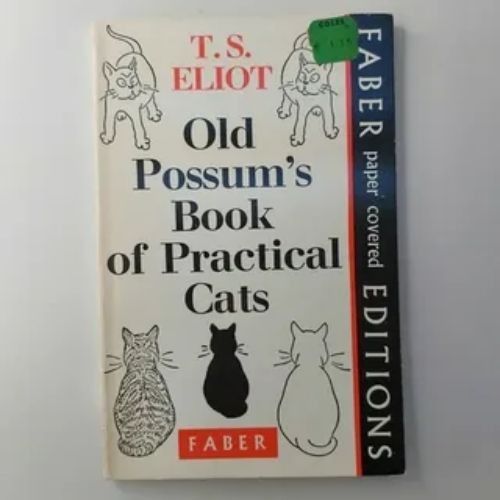
Old Possum’s Book of Practical Cats is a poetry collection by T.S. Eliot, first published in 1939, that uses playful verses about cats to offer sharp observations about human society. Each poem introduces a distinct cat with a unique personality, profession, or flaw, turning the feline world into a witty mirror of social roles and behaviour. Written in rhythmic, memorable language, the book appeals to both children and adults, blending humour with subtle satire. Beneath its light tone, Eliot explores themes of identity, reputation, independence, and community. The collection became culturally iconic and later inspired Andrew Lloyd Webber’s musical Cats, securing its lasting place in literary history. Read more….
Related to the article : Best Poems About Kids That Children Love to Read

- 50+ Best Poems About God | Inspirational, Short & Famous Verses - April 1, 2026
- 30 Types of Poems | Complete Guide with Examples for Every Poet - March 28, 2026
- Long Distance Love Poems | 33 Heartfelt Poems for Every Emotion - March 27, 2026