
Introduction
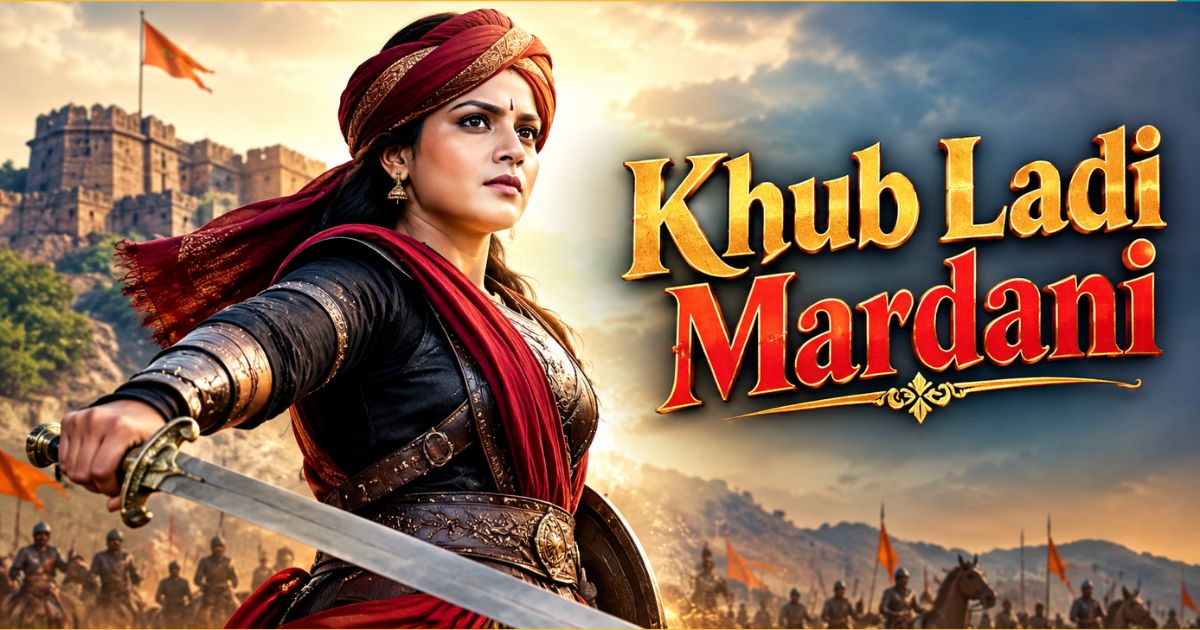
“Khub Ladi Mardani,” part of the famous Jhansi Ki Rani poem, was written by Subhadra Kumari Chauhan. She composed this Hindi patriotic poem to celebrate the courage of Rani Lakshmibai during the 1857 uprising against British rule. The line “Khoob ladi mardani woh toh Jhansi wali Rani thi” has become one of the most recognized refrains in Hindi literature.
In my own reading of this poem, what makes it powerful is not just the history it describes, but the rhythm Chauhan borrowed from folk tradition, which makes the poem feel like a song rather than a textbook lesson.
Key Takeaways
- Author: Subhadra Kumari Chauhan wrote this poem, commonly known by its refrain “Khoob Ladi Mardani.”
- Subject: The poem honors Rani Lakshmibai, the queen of Jhansi and a key figure in India’s 1857 freedom struggle.
- Style: Chauhan drew on Bundeli folk song traditions to give the poem its musical, heroic tone.
- Genre: It belongs to Veer Ras, the heroic sentiment in Hindi poetics, built specifically to inspire courage.
- Legacy: The poem remains one of the most quoted patriotic verses in Hindi-medium schools today.
Who Wrote Khub Ladi Mardani?
Subhadra Kumari Chauhan, born in 1904, was one of the earliest prominent Hindi women poets. She combined personal courage with literary talent, having actively participated in India’s freedom movement herself.
Subhadra Kumari Chauhan’s Background
Chauhan was involved in the Indian independence struggle, and she was arrested more than once for her activism. As a result, her poetry often carries a sense of lived experience rather than distant admiration. Readers often tell us this authenticity is what separates her patriotic poems from purely imaginative ones.
The Poem’s Real Title and Subject
The poem is formally titled “Jhansi Ki Rani,” though it is widely searched and remembered by its opening refrain, “Khoob Ladi Mardani.” It tells the story of Rani Lakshmibai’s resistance against British forces, focusing on her bravery, leadership, and sacrifice during the Jhansi uprising.
The Historical Story Behind Rani Lakshmibai
Rani Lakshmibai became the queen of Jhansi after her husband’s death, and she refused to surrender her kingdom under the British Doctrine of Lapse policy. When the British moved to annex Jhansi, she took direct command of her army instead of stepping aside.
During the 1857 revolt, she led her soldiers into battle, famously fighting on horseback with her son tied to her back for safety. However, her resistance ultimately ended in her death in battle in 1858, which cemented her legacy as one of India’s most celebrated freedom fighters.
Chauhan’s poem captures this history through vivid, rhythmic language rather than dry historical reporting. For example, instead of listing dates, the poem repeats the refrain “Khoob ladi mardani,” which functions almost like a chorus, reinforcing the queen’s bravery every time it appears.
How to Identify and Understand This Poem
If you are trying to confirm the poem, its author, and its meaning, follow these steps:
- Look for the refrain. If the line “Khoob ladi mardani woh toh Jhansi wali Rani thi” appears, you are reading Subhadra Kumari Chauhan’s work.
- Check the formal title. The poem is usually catalogued as “Jhansi Ki Rani” in Hindi literature anthologies.
- Identify the subject. The poem is about Rani Lakshmibai’s role in the 1857 uprising, not a fictional character.
- Note the style. The folk-song rhythm and repeated refrain reflect Bundeli oral tradition, a signature of Chauhan’s writing.
- Confirm the genre. The poem belongs to Veer Ras, meaning it is designed to inspire courage and patriotic feeling.
Best Answer for Khub Ladi Mardani Poem in Hindi Written By
For exam or reference purposes, use this concise answer:
“Khub Ladi Mardani” is a line from the poem “Jhansi Ki Rani,” written by Subhadra Kumari Chauhan. The poem celebrates the bravery of Rani Lakshmibai during the 1857 uprising against British rule, using a folk-inspired rhythm to honor her courage.
This answer works well because it names the author clearly, identifies the poem’s real title, and explains the historical context in one connected statement.
FAQs
Q: Who wrote the poem Khub Ladi Mardani?
A: Subhadra Kumari Chauhan wrote the poem commonly known by its refrain “Khoob Ladi Mardani.” Its formal title is “Jhansi Ki Rani.” She composed it to celebrate Rani Lakshmibai’s courage during India’s 1857 struggle against British rule, and it remains one of the most recognized patriotic poems in Hindi literature today.
Q: What is the poem Khub Ladi Mardani about?
A: The poem describes the bravery of Rani Lakshmibai, the queen of Jhansi, who resisted British annexation and led her army into battle. It highlights her leadership, sacrifice, and determination, using a repeated heroic refrain to emphasize her courage throughout the poem’s narrative.
Q: Why is Subhadra Kumari Chauhan’s poem so popular in schools?
A: The poem’s simple, rhythmic language and patriotic theme make it easy to memorize and recite. Because it blends real history with an emotionally powerful refrain, it is frequently included in Hindi-medium school curriculums to teach both literature and India’s freedom struggle together.
Q: Is Khub Ladi Mardani the poem’s actual title?
A: No, “Khub Ladi Mardani” is the poem’s famous opening refrain, not its formal title. The complete poem is officially titled “Jhansi Ki Rani.” Many readers search using the refrain because it is the most memorable and frequently quoted line from the entire piece.
Q: What poetic style did Subhadra Kumari Chauhan use in this poem?
A: Chauhan wrote in a folk-inspired, musical style rooted in Bundeli oral tradition. This gives the poem a song-like rhythm rather than a formal, literary tone. The style falls under Veer Ras, the heroic sentiment in Hindi poetics used to inspire courage and patriotic feeling.
Final Thoughts
Subhadra Kumari Chauhan’s poem, remembered through its unforgettable refrain “Khoob Ladi Mardani,” turns Rani Lakshmibai’s real history into a piece of living folk memory. Its folk rhythm, clear heroism, and honest historical grounding explain why it has survived in classrooms and public memory for generations.
Recent Article : Does the Poem Talk of an Exclusively? Best Answer

Jennifer Aston is a passionate poetry curator and writer with a deep love for the written word. She believes poetry has the power to heal, inspire, and connect people across all walks of life. Through PoemSteric, she brings together timeless and modern verses for every emotion and every moment.