
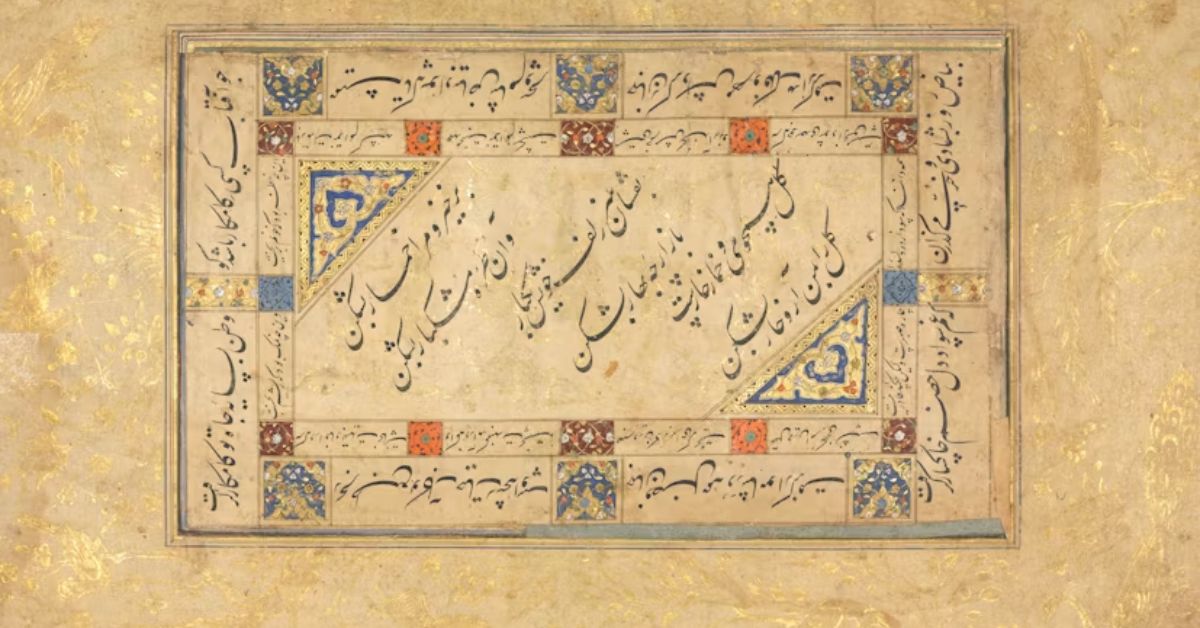
Introduction
Seven centuries have passed since Hafiz walked the streets of Shiraz, Iran, composing ghazals in the shade of pomegranate trees. And yet, today, his words circulate on Instagram posts, appear in university philosophy courses, and sit on the nightstands of readers who have never studied Persian literature. That alone tells you something extraordinary about his power.
Hafiz poems are not simple verses about flowers and romance. They are dense, layered masterworks that carry spiritual wisdom, social critique, and deeply personal longing all in the same breath. Whether you are a poetry enthusiast discovering him for the first time, or someone who has read the Divan of Hafez a dozen times, there is always something new waiting for you between the lines.
This guide covers everything you need to understand, appreciate, and enjoy Hafiz poems from his life story and Sufi philosophy to his most famous works and how to read them as a beginner.
Key Takeaways
• Hafiz (also spelled Hafez) lived from approximately 1325 to 1390 in Shiraz, Persia.
• He wrote in the ghazal form a poetic style built on themes of love, longing, and the divine.
• His collected works, known as the Divan of Hafez, contain over 500 ghazals.
• Hafiz poems use wine, taverns, and the Beloved as metaphors for spiritual union with God.
• His work has been translated into dozens of languages, with Daniel Ladinsky and Gertrude Bell among the most read English translators.
• Goethe, Emerson, and Nietzsche all admired Hafiz and cited him as an influence.
Who Was Hafiz? The Man Behind the Mystical Verses
To truly appreciate Hafiz poems, you need to understand the man who wrote them. Khwāja Shams-ud-Dīn Muḥammad Ḥāfeẓ-e Shīrāzī known to the world simply as Hafiz was born around 1325 CE in Shiraz, a city in what is now southern Iran. The name ‘Hafiz’ itself is an honorary title meaning ‘one who has memorised the Quran,’ which gives you an immediate sense of the spiritual depth that runs through every line he wrote.
He spent almost his entire life in Shiraz, working as a court poet under several different rulers, and his poetry often reflects the political tensions, social hypocrisies, and spiritual longings of his era. He died around 1390, leaving behind a body of work that would go on to shape Persian literature for centuries.
His Life in 14th-Century Shiraz, Persia
Shiraz in the 14th century was a city of remarkable culture and religious complexity. Scholars, merchants, mystics, and soldiers all shared the same narrow streets. Hafiz grew up in this environment, studying Islamic theology, Arabic, and classical Persian poetry from an early age. He was deeply influenced by the earlier Persian poet Rumi, as well as the Sufi masters of his time.
Despite the sophistication of his work, Hafiz’s personal life was not particularly glamorous. He was not born into wealth. Some accounts suggest he worked as a baker’s assistant before his poetic talent was recognised by a local nobleman. That contrast between humble origins and extraordinary vision is present throughout his poems. He always wrote from a place of genuine human experience, not from ivory-tower distance.
How Hafiz Became One of Islam’s Greatest Spiritual Voices
What sets Hafiz apart from other Persian poets is his ability to hold two realities at once. On the surface, his ghazal poems often read like passionate love poetry: a man pining for a woman, drinking wine, dancing under the stars. But beneath that surface lies a sophisticated Sufi philosophy about the soul’s longing for God, the path of spiritual surrender, and the ecstasy of divine union.
This double meaning called ‘zahir’ (outer) and ‘batin’ (inner) in Islamic thought made Hafiz poems accessible to ordinary people while also rewarding deeper scholars. A farmer could enjoy the beauty of his words. A mystic could meditate on the hidden wisdom. This quality is what made him beloved across centuries and cultures.
Hafiz Poems and the Sufi Philosophy of Divine Love
At the core of every poem Hafiz wrote is a single, burning idea: love is the path to God. Not romantic love alone, but a total, consuming, surrendered love that dissolves the self and opens the soul to something infinite. This is the essence of Sufism, the mystical branch of Islam that teaches inner purification and direct experience of the divine.
Understanding this framework transforms how you read Hafiz. What seems like a poem about a beautiful woman in a garden is actually about the soul’s recognition of divine beauty in the world. What seems like a man lamenting an absent lover is a description of the spiritual seeker separated from God. Once you see this, Hafiz poems become a completely different reading experience.
What Is Sufism and Why It Shapes His Poetry
Sufism emerged in the early Islamic world as a response to what its practitioners saw as an over-emphasis on law and ritual at the expense of inner spiritual experience. Sufi teachers called ‘sheikhs’ or ‘pirs’ guided students through stages of purification, love, and eventually union with God. Hafiz was deeply embedded in this tradition. His mentor was a Sufi master named Muhammad Attar, and the spiritual journey between student and teacher appears frequently as a theme in his Persian poetry.
The Hidden Meaning of Wine and the Tavern in His Ghazals
If you read Hafiz poems in English translation without this background, you might be confused by the constant references to wine, taverns, and drunkenness since Hafiz was a devout Muslim and Islam prohibits alcohol. The answer is that these are symbolic images rooted in Sufi tradition. Wine represents divine love or spiritual intoxication, the overwhelming feeling of closeness to God. The tavern is the gathering place of sincere seekers. The cupbearer who pours the wine is the spiritual master or God himself. This symbolic vocabulary is consistent across centuries of Sufi poetry, and understanding it unlocks Hafiz completely.
Famous Hafiz Poems Every Reader Should Know
There are hundreds of Hafiz poems to explore, but a handful stand out as the essential starting points for new readers. These poems have been widely translated, widely quoted, and carry the clearest expression of his themes.
I Have Learned So Much | Themes of Humility and Growth
Perhaps the most widely shared Hafiz poem in the English-speaking world today, ‘I Have Learned So Much’ (from Daniel Ladinsky’s translation) speaks about learning from every creature, every experience, and every corner of creation. Its central message is that the world is a teacher, and wisdom comes through humble observation rather than rigid doctrine. The poem radiates warmth and accessibility, making it a perfect entry point for readers who have never encountered Sufi poetry before. Lines from this poem regularly appear in wellness circles, therapy offices, and motivational content a testament to how universal its message is.
The Gift | A Poem About Gratitude and Divine Blessing
Another celebrated work, ‘The Gift,’ deals with the idea that everything we receive in life, joy, pain, love, loss is a gift from a loving divine source. Hafiz asks the reader to stop resisting life and start receiving it with open hands. This approach to suffering as a meaningful part of the spiritual path is deeply rooted in Sufi teaching and makes the poem feel surprisingly modern. Readers dealing with grief or difficulty often find genuine comfort in its lines.
Divan of Hafiz: The Greatest Collection of Hafiz Poems
The Divan of Hafez is the complete collected works of Hafiz, containing more than 500 ghazals along with a smaller number of other verse forms. The word ‘divan’ simply means ‘collected poems’ in Persian and Arabic literary tradition. This collection was compiled shortly after Hafiz’s death and has been copied, translated, and studied ever since.
What makes the Divan remarkable is not just its size but its diversity. Within it, you will find Hafiz in every emotional state ecstatic, despairing, satirical, tender, rebellious. He praises God in one poem and gently mocks the religious establishment in the next. He writes about the pain of unrequited love and the joy of spiritual awakening with equal skill. The Divan is effectively a complete map of the human interior, drawn by a master cartographer.
For centuries, Iranians have used the Divan of Hafez as a form of divination, a practice called ‘Fal-e Hafiz.’ When facing a difficult decision, a person closes their eyes, thinks of their question, and opens the book at a random page. The first lines they read are interpreted as guidance. This practice continues to this day and speaks to the depth of trust Iranians place in Hafiz poems as a source of wisdom.
Hafiz Poems in English: How Translations Shape Our Understanding
One of the most important things to understand about reading Hafiz poems in English is that no translation is neutral. Translating Hafiz is an act of interpretation, and different translators make very different choices about how to present his work. This means that two readers who have both ‘read Hafiz’ may have actually read quite different versions of the same poems.
Best English Translators of Hafiz | From Gertrude Bell to Daniel Ladinsky
Gertrude Bell’s 1897 translation, ‘Poems from the Divan of Hafiz,’ is considered one of the most faithful to the original Persian. Bell was a skilled linguist and scholar who worked to preserve the formal structure of the ghazal. Her translations feel like Victorian-era poetry, elegant, somewhat formal, but beautifully close to the original meaning.
Daniel Ladinsky’s translations, published in books like ‘The Gift: Poems by Hafiz’ and ‘I Heard God Laughing,’ take a very different approach. Ladinsky prioritises emotional resonance and accessibility over strict fidelity to the original text. His versions feel contemporary, warm, and immediately relatable. They are the versions that circulate most widely on social media today.
For a scholarly approach, Reza Ordoubadian’s and A.J. Arberry’s translations offer rigorous academic insight. Reading multiple translators side by side is actually a wonderful way to deepen your understanding of Hafiz; each version reveals something slightly different about the original poem.
Short Hafiz Poems About Life, Love, and Longing
Not all Hafiz poems are long or complex. Some of the most powerful are short, quiet, and devastatingly precise. Short Hafiz poems often function like spiritual aphorisms: a single image or idea that keeps expanding in your mind long after you have read it. These poems are perfect for readers who are new to his work, or for those who want something to reflect on during a busy day.
A few examples of themes found in short Hafiz poems include: the value of a single moment of genuine presence with God; the foolishness of pretending to be more righteous than you are; the courage it takes to love without guarantee; and the strange relief that comes from surrendering control. These short poems carry enormous wisdom in compact form and are among the most shareable and memorable of his work.
How to Read Hafiz Poems: A Step-by-Step Guide for Beginners
If you are approaching Hafiz for the first time, it helps to have a structured way in. Here is a simple process that experienced readers recommend:
• Step 1: Choose one accessible translation. Start with Ladinsky if you want warmth and ease, or Gertrude Bell if you want something closer to the original. Do not try to read multiple translations at once in the beginning.
• Step 2: Read the poem slowly. Hafiz poems reward slow, deliberate reading. Read it once for sound and feeling, then read it again looking for what puzzles you.
• Step 3: Identify the central image. Every Hafiz ghazal is built around a central image a rose, a cup of wine, the morning breeze. Ask yourself what this image might symbolically represent.
• Step 4: Look up the Sufi context. A quick search for ‘Sufi meaning of wine in poetry’ or ‘Sufi meaning of the Beloved’ will immediately open up layers of meaning you might have missed.
• Step 5: Sit with uncertainty. Not every line of Hafiz will be immediately clear. That is intentional. He wrote in a tradition that believed mystery itself was a path to understanding. Allow yourself to not know, and return to the poem another day.
• Step 6: Journal your response. Write down what the poem made you feel or think. Personal reflection is the most powerful way to absorb Sufi poetry.
Comparing Hafiz Poems and Rumi | Similarities and Key Differences
Rumi and Hafiz are the two names most associated with classical Persian Sufi poetry, and they are often discussed together. But they are quite different poets. Understanding those differences helps you appreciate each one more fully.
Rumi who lived about a century before Hafiz was a prolific poet whose most famous work, the Masnavi, is a massive epic of spiritual teaching told through stories and parables. Rumi’s poetry tends to be narrative and discursive, moving through ideas in extended passages. His most famous work in English, ‘The Guest House,’ is a perfect example of his clear, story-driven style.
Hafiz, by contrast, worked almost exclusively in the ghazal, a short, lyric form built around a repeated rhyme scheme and a signature couplet at the end. Hafiz poems are denser, more ambiguous, and more reliant on symbolic imagery than Rumi’s more explicit spiritual teachings. Where Rumi often tells you what the poem means, Hafiz lets the image do the work and trusts you to find the meaning yourself. Both poets are essential reading, and many people find that loving one leads them to love the other.
Hafiz Poems About Love | Romance, Loss, and the Divine Beloved
Love is the dominant theme across all Hafiz poems, but it is a complex, multi-layered kind of love. On one level, Hafiz writes about human romantic love with extraordinary sensitivity: the pain of absence, the joy of reunion, the fear of loss, the courage of commitment. Readers experiencing their own romantic struggles often find that Hafiz understands them completely, even across seven centuries.
But the Beloved in Hafiz poems is always more than a human partner. In Sufi tradition, the Beloved is God the ultimate source of all love, beauty, and meaning. When Hafiz mourns a separation from his Beloved, he is also describing the soul’s sense of exile from its divine source. When he celebrates a moment of union, he is describing spiritual ecstasy, a direct experience of God’s presence. This double resonance is what makes Hafiz poems about love so enduringly powerful. They work on the human level and the spiritual level simultaneously, and readers often find themselves understanding both at once.
Hafiz Famous Poems That Were Quoted by Global Leaders and Writers
One of the most remarkable things about Hafiz is the range of people who have admired him across history. Johann Wolfgang von Goethe, considered the greatest German poet, was so moved by Hafiz poems that he wrote an entire collection inspired by them the West-Eastern Divan, published in 1819. Goethe called Hafiz his ‘twin soul’ and wrote: ‘In your verses, the poet finds everything he has been looking for.’
Ralph Waldo Emerson, the American philosopher and essayist, translated several Hafiz poems himself and regularly quoted him in lectures and essays. Friedrich Nietzsche also admired Hafiz, finding in his poetry a celebration of life and joy that resonated with his own philosophy. In more recent times, lines from Hafiz have been quoted by politicians, spiritual teachers, and therapists around the world as examples of timeless human wisdom.
This cross-cultural appeal is not accidental. Hafiz wrote about experiences of longing, joy, confusion, surrender, love that are universal. His geographical and historical location is Persian and Islamic, but his subject matter belongs to everyone.
━━━━━━━━━━━━━━━━━━━━━━━━━━━━━━━━━━━━━━━━━━━━━━━━━━━━
FAQs
━━━━━━━━━━━━━━━━━━━━━━━━━━━━━━━━━━━━━━━━━━━━━━━━━━━━
Q1: What are Hafiz poems mainly about?
A: Hafiz poems explore themes of divine love, spiritual longing, beauty, and the soul’s journey toward God. Written in the Sufi tradition, they use symbols like wine, the Beloved, and the tavern to describe mystical experiences. While they often read as romantic poetry on the surface, most Hafiz poems carry a deeper spiritual message about the relationship between the human soul and the divine.
Q2: What is the difference between Hafiz and Rumi?
A: Both were Persian Sufi poets, but their styles differ significantly. Rumi often wrote in long narrative forms and used stories to teach spiritual lessons. Hafiz worked almost exclusively in the ghazal, a shorter lyric form using dense symbolic imagery and ambiguity. Hafiz poems tend to be more cryptic and layered, requiring interpretation. Rumi is often more direct in his spiritual teachings. Both are essential voices in Persian and world literature.
Q3: What are some famous Hafiz poems in English?
A: Some of the most widely read Hafiz poems in English include ‘I Have Learned So Much,’ ‘The Gift,’ ‘Laughing at the Word Two,’ ‘Tired of Speaking Sweetly,’ and ‘No More Leaving.’ Daniel Ladinsky’s translations of these poems are particularly popular. Gertrude Bell’s 1897 translations, including her versions of the Odes from the Divan, are valued by readers seeking more faithful renderings of the original Persian ghazals.
Q4: Who translated Hafiz poems into English most accurately?
A: Gertrude Bell’s 1897 translations are widely considered among the most faithful to the original Persian text of Hafiz poems. For emotional accessibility and modern readability, Daniel Ladinsky’s versions are the most popular, though they are often described as ‘interpretations’ rather than strict translations. Reza Ordoubadian and A.J. Arberry offers scholarly academic translations that preserve the formal structure of the ghazal form.
Q5: Can beginners understand Hafiz poems without knowing Persian?
A: Yes, absolutely. Many excellent English translations of Hafiz poems are written for general readers with no background in Persian or Islamic studies. Start with Daniel Ladinsky’s translations for their warmth and accessibility. A basic understanding of Sufi symbolism particularly the metaphorical meaning of wine, the Beloved, and the tavern will significantly deepen your enjoyment. Many readers find that Hafiz resonates intuitively, even without scholarly context.
Final Thoughts
Hafiz poems are not relics of a distant culture. They are living conversations with some of the deepest questions human beings ask about love, meaning, suffering, God, and what it means to be fully alive. That is why they have survived seven centuries and will likely survive seven more.
Whether you are drawn to the formal beauty of his ghazals, the spiritual depth of his Sufi philosophy, or simply the comfort of a short verse that seems to understand exactly what you are going through, Hafiz has something to offer you. Start with one poem. Read it slowly. Return to it tomorrow. That is all it takes to begin a conversation that could last a lifetime.
Recent Article : 20 Best Poem for Dad Who Passed Away

Jennifer Aston is a passionate poetry curator and writer with a deep love for the written word. She believes poetry has the power to heal, inspire, and connect people across all walks of life. Through PoemSteric, she brings together timeless and modern verses for every emotion and every moment.