
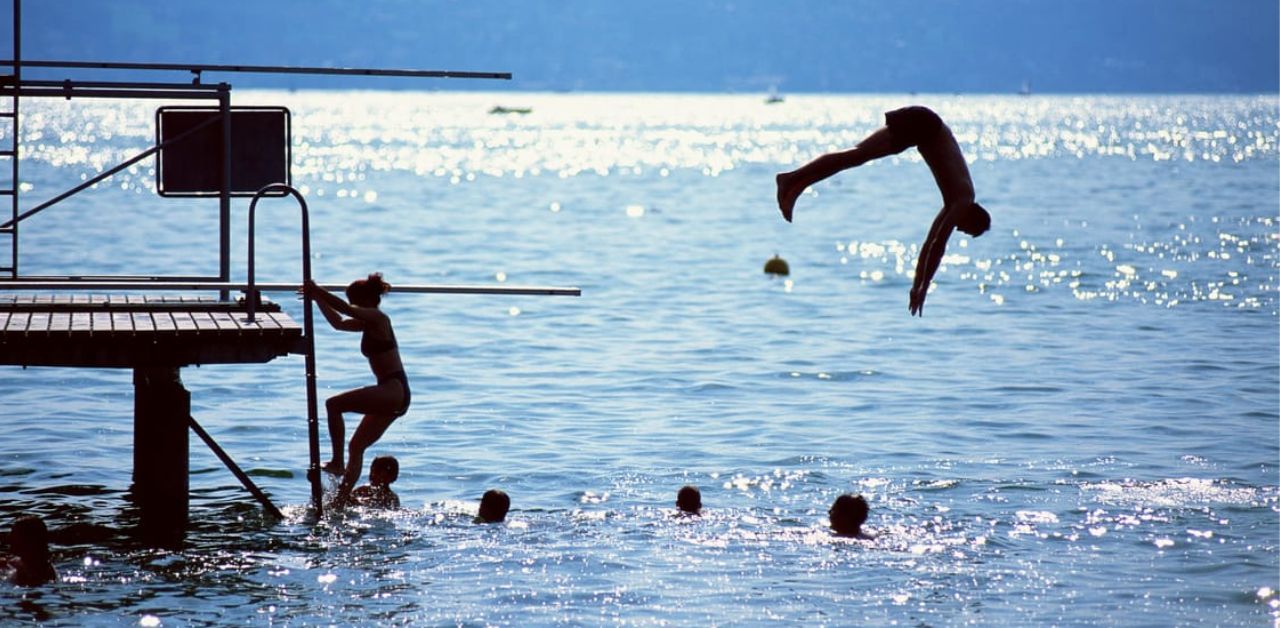
Short summer poems capture the spirit of the season in a few powerful lines. Summer poetry focuses on sunshine, nature, warmth, and emotions that feel light but meaningful. These summer poems often talk about joy, freedom, memory, love, heat, and endings. Because they are short, they feel honest and easy to connect with.
“Summer poetry holds moments that pass quickly but stay forever.”
Summer Outdoors
Summer poetry about the outdoors celebrates open spaces and fresh air. Many short summer poems use beaches, fields, lakes, and mountains to show freedom and peace. Nature becomes a mirror of human feeling.
Poems like Summering in Wildwood, NJ – Kayleb Rae Candrilli show youth and movement near the sea, while Children, the Sandbar, That Summer – Muriel Rukeyser connects childhood with water and memory. In Country Summer – Léonie Adams, rural life feels calm and steady.
“In summer poems, nature listens even when no one speaks.”
Works such as The Lake Isle of Innisfree William Butler Yeats and Mid-August at Sourdough Mountain Lookout – Gary Snyder show how outdoor summer spaces bring reflection and balance. Poems like Our Side of the Creek – Yusef Komunyakaa remind us that summer landscapes also shape identity.
Summer in the City
Summer poems set in the city feel warmer and heavier. Streets slow down, buildings trap heat, and emotions rise. Urban summer poetry often shows contrast between people and loneliness.
In Morningside Heights, July William Matthews, summer softens academic life. Chinatown Diptych – Jenny Xie shows how culture and heat mix together in city spaces. Poems like Soon the City – Liam Rector reflect how summer changes daily rhythm.
“City summer poetry burns quietly under concrete skies.”
Summer in the Garden
Gardens appear often in short summer poems because they represent growth and patience. Summer poetry uses gardens to show life in motion.
In In Défense of Our Overgrown Garden – Matthea Harvey, uncontrolled growth becomes beautiful. Hello, the Roses – Mei-mei Berssenbrugge shows attention and presence as key summer values. These poems remind readers that summer beauty does not need perfection.
“Summer gardens grow without asking permission.”
Summer Heat
Summer heat poetry focuses on stillness, pressure, and emotional intensity. Heat slows the body but sharpens feeling. Many summer poems use heat as a symbol of tension.
Poems like Cruel, Cruel Summer D. A. Powell and Heat Wave Lee Young-ju show discomfort and emotional overload. At Noon – Reginald Gibbons captures the pause of extreme heat, when time feels frozen.
“Heat in summer poetry is never silent.”
Summer Nights
Summer night poems feel calm and reflective. Darkness brings honesty, rest, and quiet beauty. Short summer poems often shift tone once the sun goes down.
In Fireflies – Frank Ormsby, light appears briefly and disappears. Evening Primrose Rita Dove focuses on transformation at night. Poems like Bed in Summer –Robert Louis Stevenson reflect the gentle sadness of daylight ending.
“Summer nights whisper what the sun cannot.”
Summer Love
Summer love poems are emotional and intense. Short summer poems about love focus on desire, closeness, and memory. Love in summer poetry feels warm but temporary.
From Sonnet 18: Shall I compare thee to a summer’s day? – William Shakespeare to From Blossoms – Li-Young Lee, summer becomes a symbol of beauty and passion. Poems like She had forgotten how the August night – Edna St. Vincent Millay show love returning under summer skies.
“Summer love poems burn fast and stay long.”
Summer Unrest
Not all summer poetry is joyful. Some short summer poems show tension, struggle, and social unrest. Heat often increases emotional pressure.
From “summer, somewhere” – Danez Smith, summer becomes a backdrop for pain and inequality. Dog Days of Summer – Meena Alexander shows exhaustion and unrest. These poems remind us that summer is not the same for everyone.
“Some summers glow, others burn.”
Summertime Sadness
Summertime sadness poetry explores loss and quiet reflection. These short summer poems show that sadness can exist even in bright weather.
Poems like August – Mary Oliver and Lake Echo, Dear – C. D. Wright uses calm language to express grief. In the Mushroom Summer – David Mason blends nature with memory and decay.
“Even the brightest summer carries a shadow.”
End of Summer
The end of summer is where memory endings remind readers that time moves forward.
In Blackberry-Picking – Seamus Heaney, sweetness turns into loss. Late Summer – Jennifer Grotz and September – Deborah Landau show a quiet transition. A Sunset of the City – Gwendolyn Brooks closes summer with reflection.
“The end of summer poems focus on change and acceptance. Short summer poems begin.”
FAQs
What are short summer poems?
Short summer poems are brief verses that focus on summer emotions, nature, love, and memory.
Why is summer poetry so popular?
Summer poetry feels relatable because it reflects freedom, warmth, and change.
Can summer poems be sad or serious?
Yes. Many short summer poems explore sadness, unrest, and endings.
What is a good summer quote?
“Summer means happy times and good sunshine. It means going to the beach, going to Disneyland, having fun.”
Final Thoughts
Short summer poems capture moments that feel light but meaningful. Whether joyful, restless, romantic, or sad, summer poetry helps readers understand the season and themselves in a deeper way.
“Summer poems teach us how to hold time without stopping it.”
Recent Article : Poems About Spring: 15 Beautiful Verses to Welcome the Season

Jennifer Aston is a passionate poetry curator and writer with a deep love for the written word. She believes poetry has the power to heal, inspire, and connect people across all walks of life. Through PoemSteric, she brings together timeless and modern verses for every emotion and every moment.